
Forestry Mulching Services Across Washington, Idaho, Montana and Oregon
Forestry Mulching for Rural Acreage and Wooded Properties
Axsus Land Management provides professional forestry mulching services for rural acreage, wooded properties, agricultural land and development sites across Washington, Idaho, Montana and Oregon. Forestry mulching can reduce dense brush, saplings and understory vegetation while improving access and leaving processed material on the ground.
The method uses specialized equipment to cut and process vegetation in place. Depending on the property, it may be used to reclaim overgrown acreage, open trails and access corridors, reduce vegetation around structures, prepare selected areas for future work or support broader forest-management goals.
Forestry mulching is not the correct solution for every property or every material size. Larger timber, heavy stump removal, complete development clearing or major grade changes may require a combination of logging and tree removal, land clearing and excavation or site preparation.
Property owners comparing treatment options can review our guide on how to choose the right land clearing method.
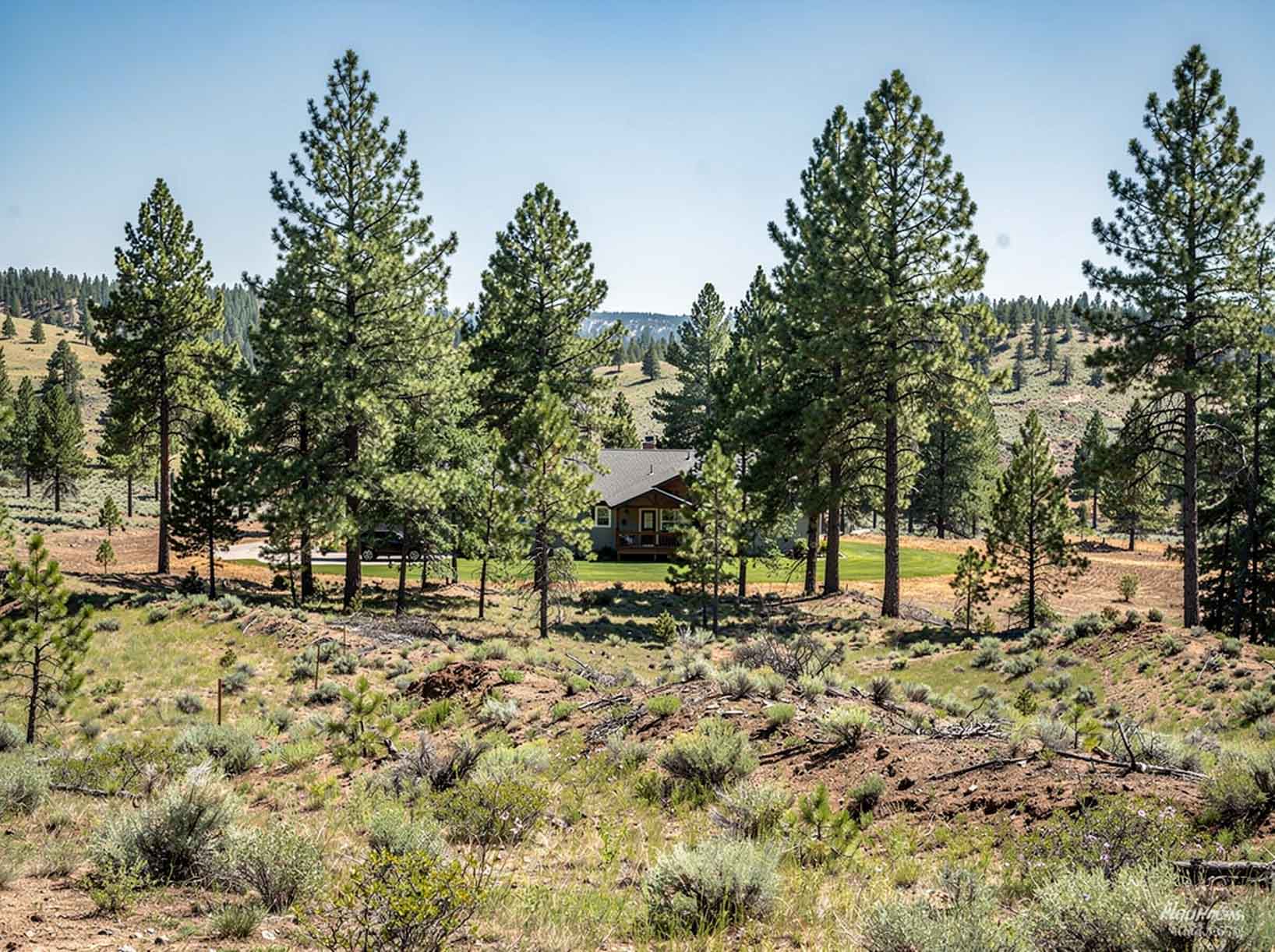
Common Uses for Forestry Mulching
Forestry mulching is commonly used where brush, saplings, understory growth or smaller trees have limited access or reduced the usability of a property.
Common applications include:
- Brush and understory reduction
- Overgrown acreage reclamation
- Trail and access-corridor opening
- Fence-line and property-boundary clearing
- Pasture and field-edge maintenance
- Vegetation reduction around homes and outbuildings
- Preparation for future clearing or development
- Selective treatment within wooded acreage
- Ongoing vegetation and fuel maintenance
Not every project requires vegetation to be removed from the property. Processing material in place may reduce the need for hauling or large debris piles, although the final material-handling plan depends on vegetation size, treatment density, ground conditions and the property owner’s goals.
Our comparison of forestry mulching versus traditional land clearing explains how the methods differ in ground disturbance, debris handling and finished site conditions.
How We Evaluate a Forestry Mulching Property
Before recommending forestry mulching, we evaluate the conditions that affect safety, equipment access, production and the expected finished result.
Important site factors include:
- Vegetation type and density
- Average tree and stem diameter
- Slope and terrain
- Rock, soil and drainage conditions
- Wet or seasonally soft ground
- Equipment access and staging space
- Structures, fences, utilities and property boundaries
- Material that should remain or be removed separately
- The intended use of the treated area
Forestry mulching is generally best suited for brush, understory vegetation, saplings and selected small to mid-diameter material. Larger trees, hazardous timber, extensive stump removal or construction-ready clearing may require a different method or several coordinated phases.
The site evaluation should also establish the desired finished condition. A property being treated for improved access may require a different approach than acreage being prepared for grazing, wildfire resilience, future construction or ongoing forest maintenance.
Fuel Reduction and Wildfire-Resilience Planning
Forestry mulching may be used as one part of a broader vegetation and fuel-reduction plan. It can reduce dense brush, smaller ladder fuels and continuous understory vegetation that may contribute to fire movement across a property.
Wildfire-related work should not be treated as broad clearing without a plan. The appropriate treatment depends on the location of homes and outbuildings, access routes, vegetation arrangement, retained trees, terrain and long-term maintenance needs.
Properties with wildfire-resilience goals may also require a coordinated wildfire mitigation plan, selective tree removal or additional defensible-space work.
Forestry mulching can reduce vegetation and fuel continuity, but no treatment eliminates wildfire risk or guarantees that a structure will survive a wildfire.
Mulch Depth, Soil Conditions and Long-Term Maintenance
The amount and distribution of mulch left behind depends on vegetation density, material size, treatment intensity and operator technique. The finished surface may contain a mixture of chipped vegetation, shredded material and existing ground cover.
A mulch layer can help cover exposed soil and retain moisture in some conditions, but results vary by property. Excessively deep or uneven accumulations may need to be redistributed depending on the intended land use.
Forestry mulching does not permanently prevent vegetation from returning. Resprouting brush, new seedlings, invasive plants and seasonal growth may require follow-up treatment. Long-term results are strongest when the initial work is paired with an appropriate maintenance plan.
Frequently Asked Questions About Forestry Mulching
What is forestry mulching?
Forestry mulching is a vegetation-management method that cuts and processes brush, saplings, understory growth and selected smaller trees into mulch on the property. The processed material is generally left on the ground rather than being hauled away.
What types of properties can benefit from forestry mulching?
Forestry mulching is commonly used on rural acreage, wooded properties, agricultural land, recreational land and selected development sites. It is most useful where brush and smaller vegetation limit access or reduce the usability of the property.
What size trees can be forestry mulched?
Suitability depends on tree species, diameter, density, terrain and equipment. Forestry mulching is generally best suited for brush, saplings and selected small to mid-diameter trees. Larger timber may require logging or separate tree removal.
Can forestry mulching help with fuel reduction?
Yes. Forestry mulching can reduce dense brush, understory growth and smaller ladder fuels as part of a broader fuel-reduction or wildfire-mitigation plan. It does not eliminate wildfire risk and should be planned according to the property’s structures, access and vegetation arrangement.
Does forestry mulching damage the soil?
Forestry mulching often causes less ground disturbance than methods that require grubbing, dozing or removing root systems. However, soil impact still depends on ground conditions, slope, machine traffic, treatment intensity and operator technique.
Is burning required after forestry mulching?
No. Vegetation is generally processed into mulch and left on the ground. Burning, hauling or additional debris handling may still be needed for material that cannot be effectively mulched or where the desired finished condition requires it.
Can forestry mulching prepare land for construction?
Forestry mulching can reduce vegetation before construction, but it does not usually create a complete building-ready surface. Stumps, larger trees, roots, grading, drainage and excavation may require additional services.
Will vegetation grow back after forestry mulching?
Yes. Forestry mulching does not sterilize the soil or permanently stop vegetation growth. Brush, seedlings, grasses and invasive plants may return, making periodic maintenance necessary.
How much acreage can be mulched in a day?
Production varies considerably based on vegetation density, material size, terrain, slope, ground conditions, access and the desired treatment intensity. A site evaluation is required before estimating production or project duration.
Can forestry mulching be performed on steep or wet property?
Some sloped or seasonally moist properties can be treated, but suitability depends on safe equipment access, soil stability, drainage and current ground conditions. Work may need to be delayed when conditions could cause excessive disturbance or create equipment risk.
Are financial-assistance programs available for fuel-reduction work?
Some private forest landowners may qualify for state or regional financial-assistance programs, but availability, eligibility and approved treatments vary. Landowners should contact the administering agency before beginning work or relying on reimbursement.
Featured Forestry Mulching Service Areas
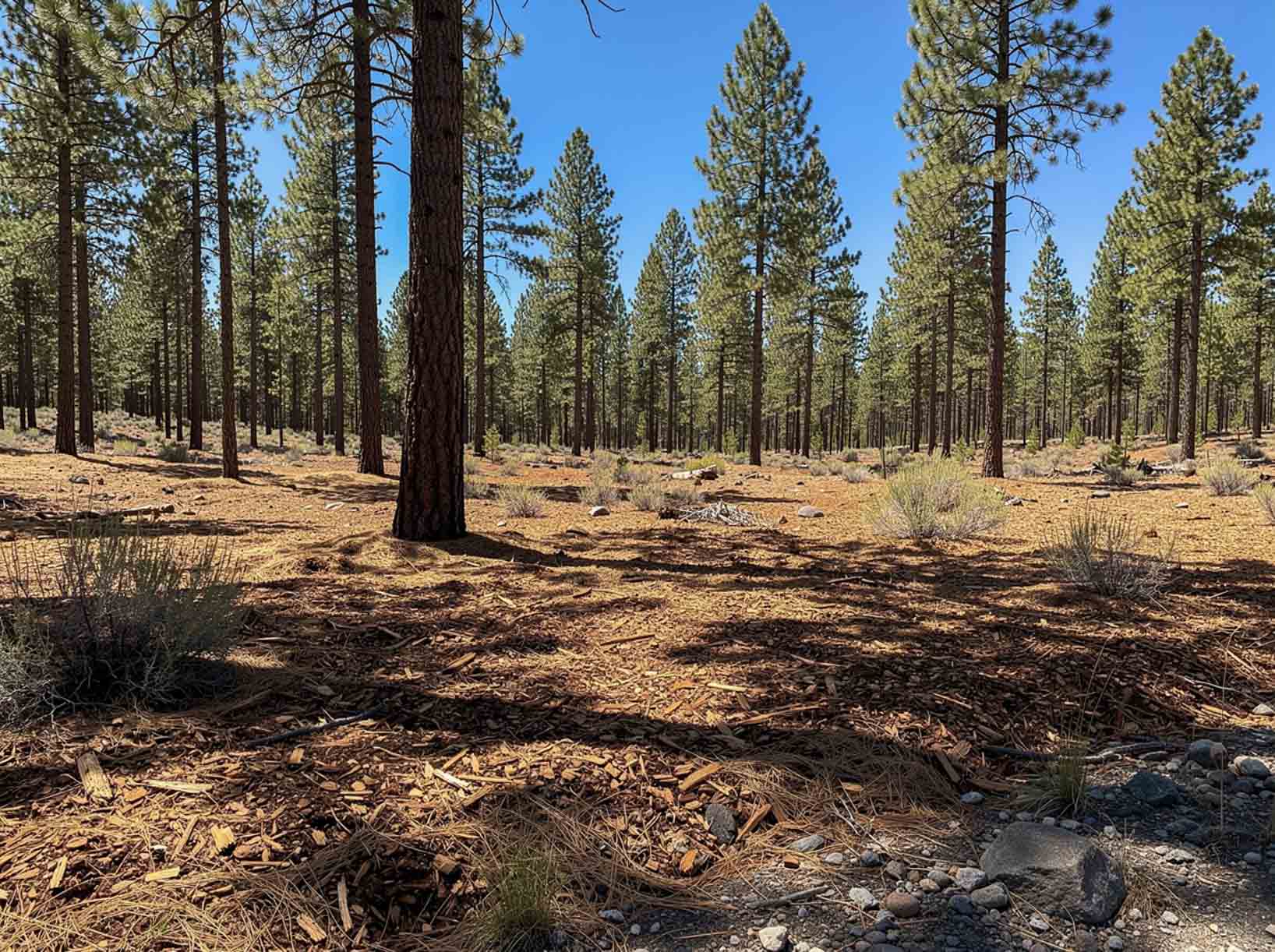
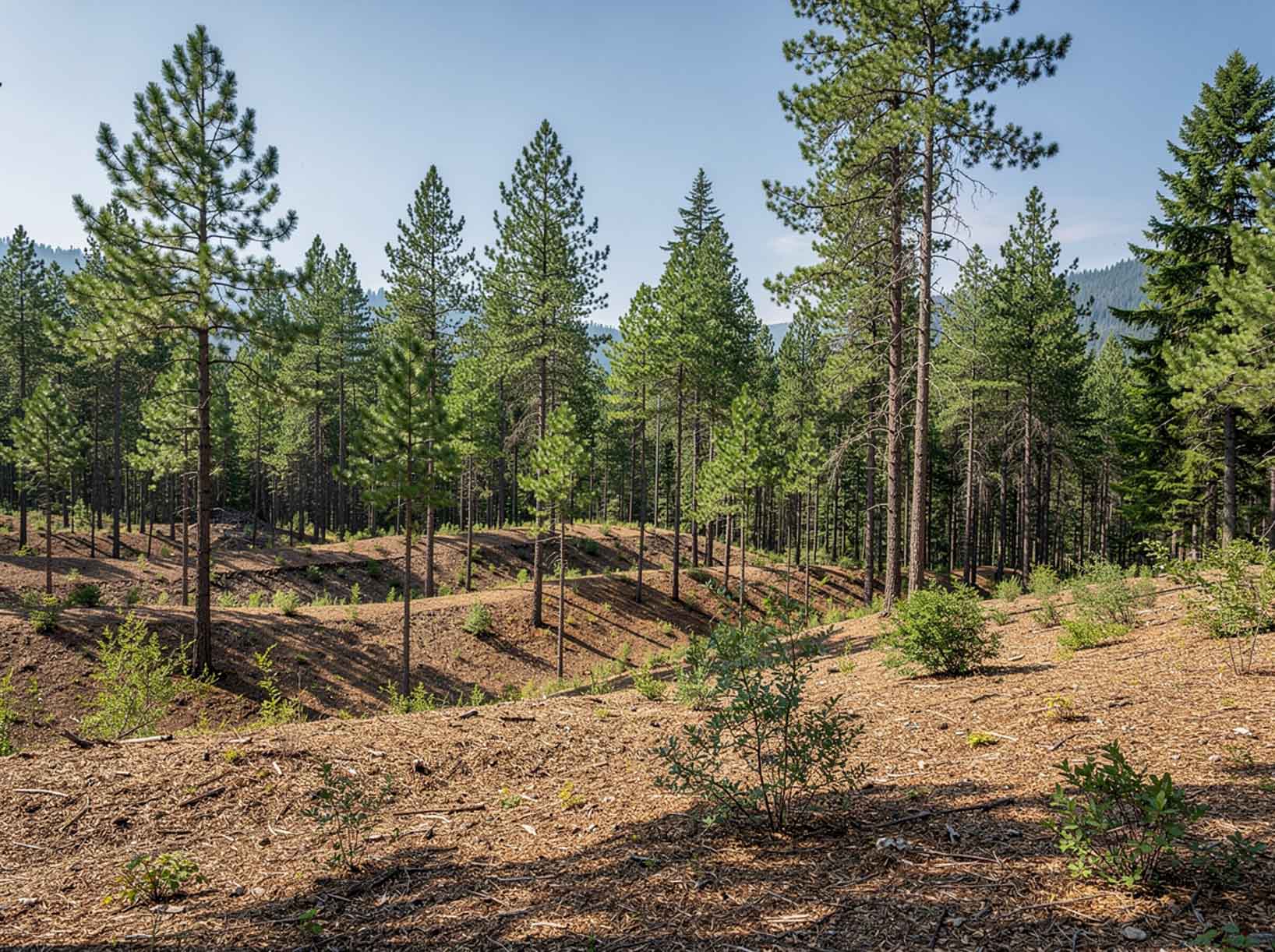
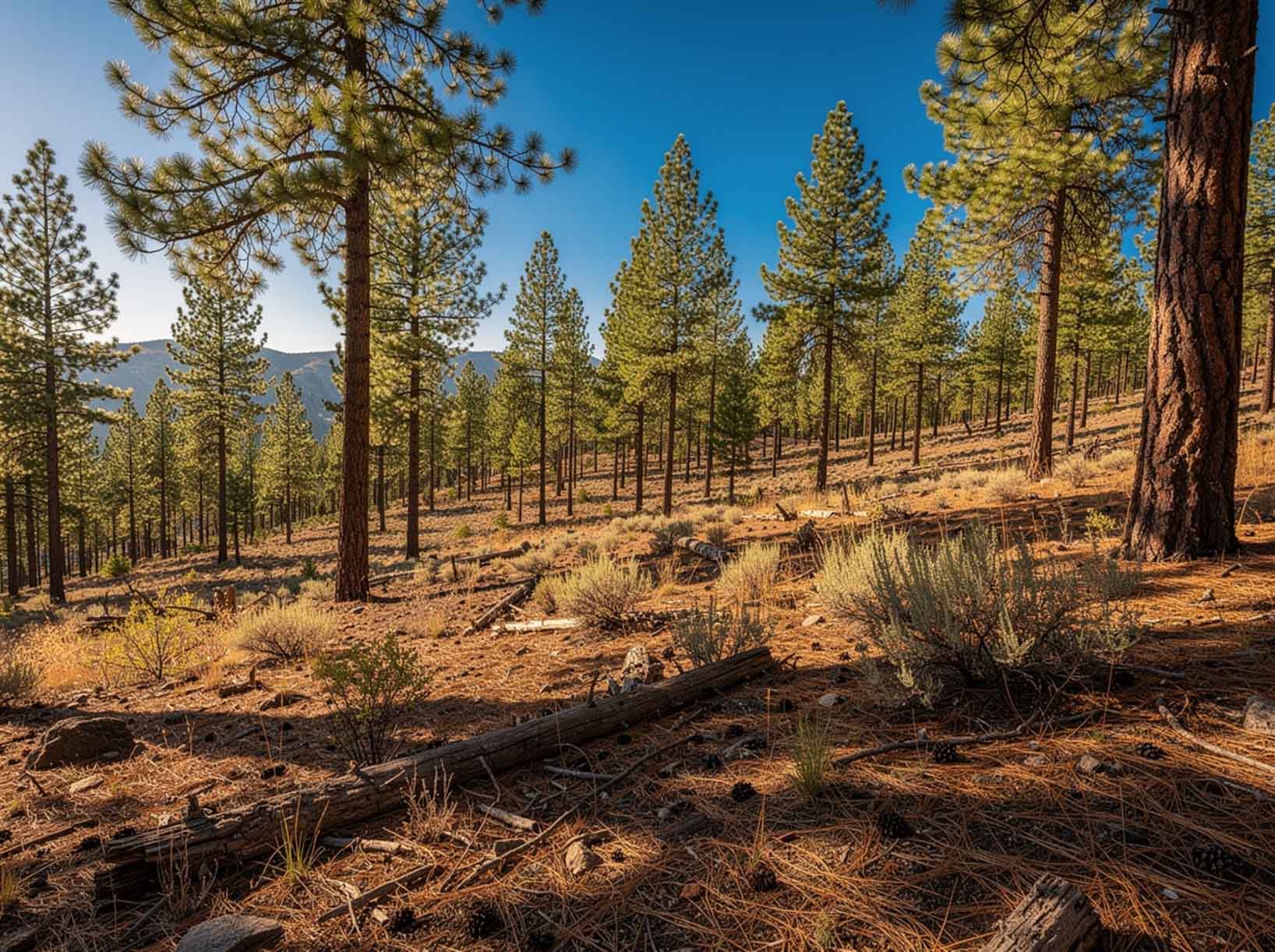
Forestry Mulching Service Areas Across the Pacific Northwest
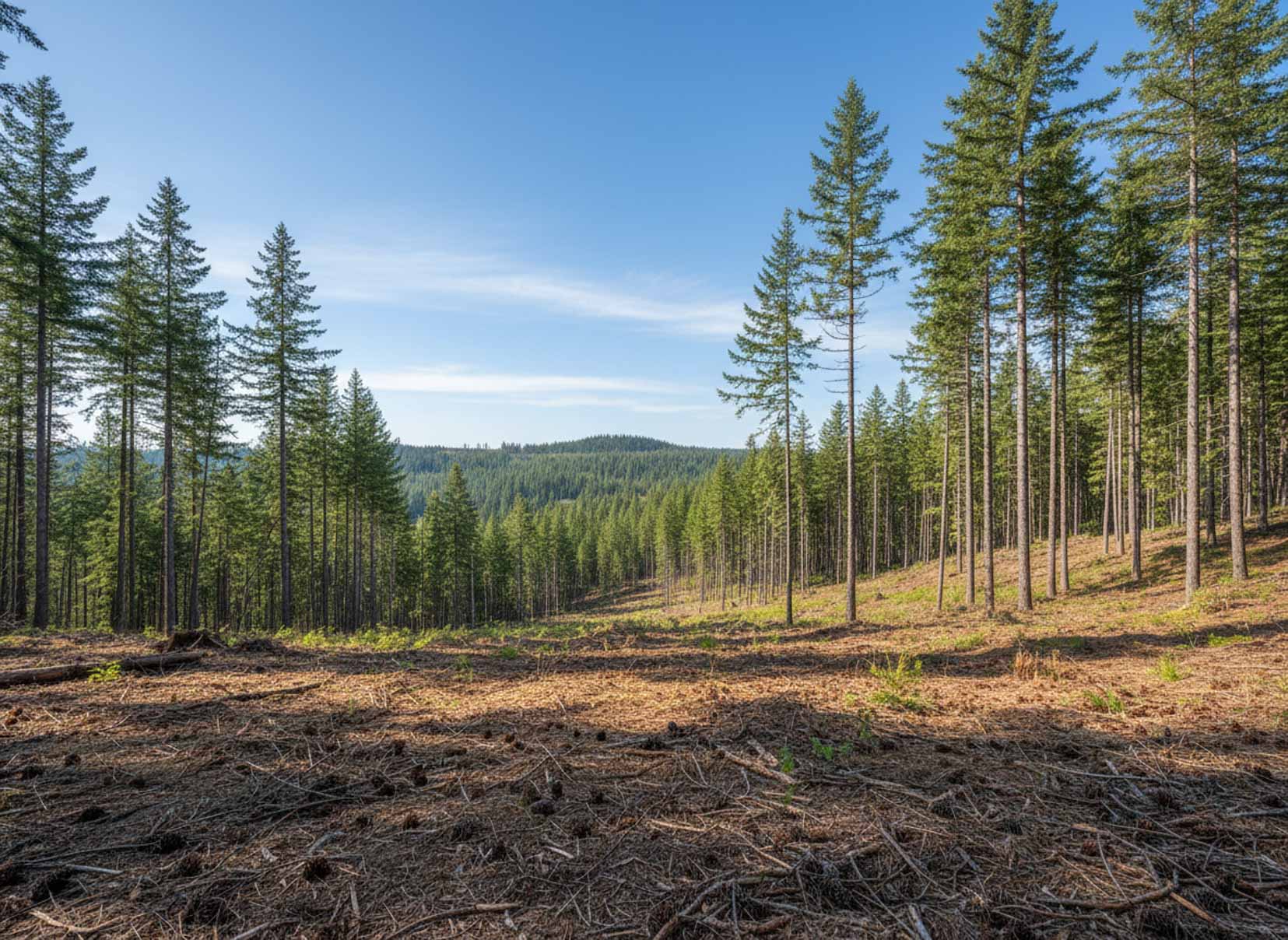
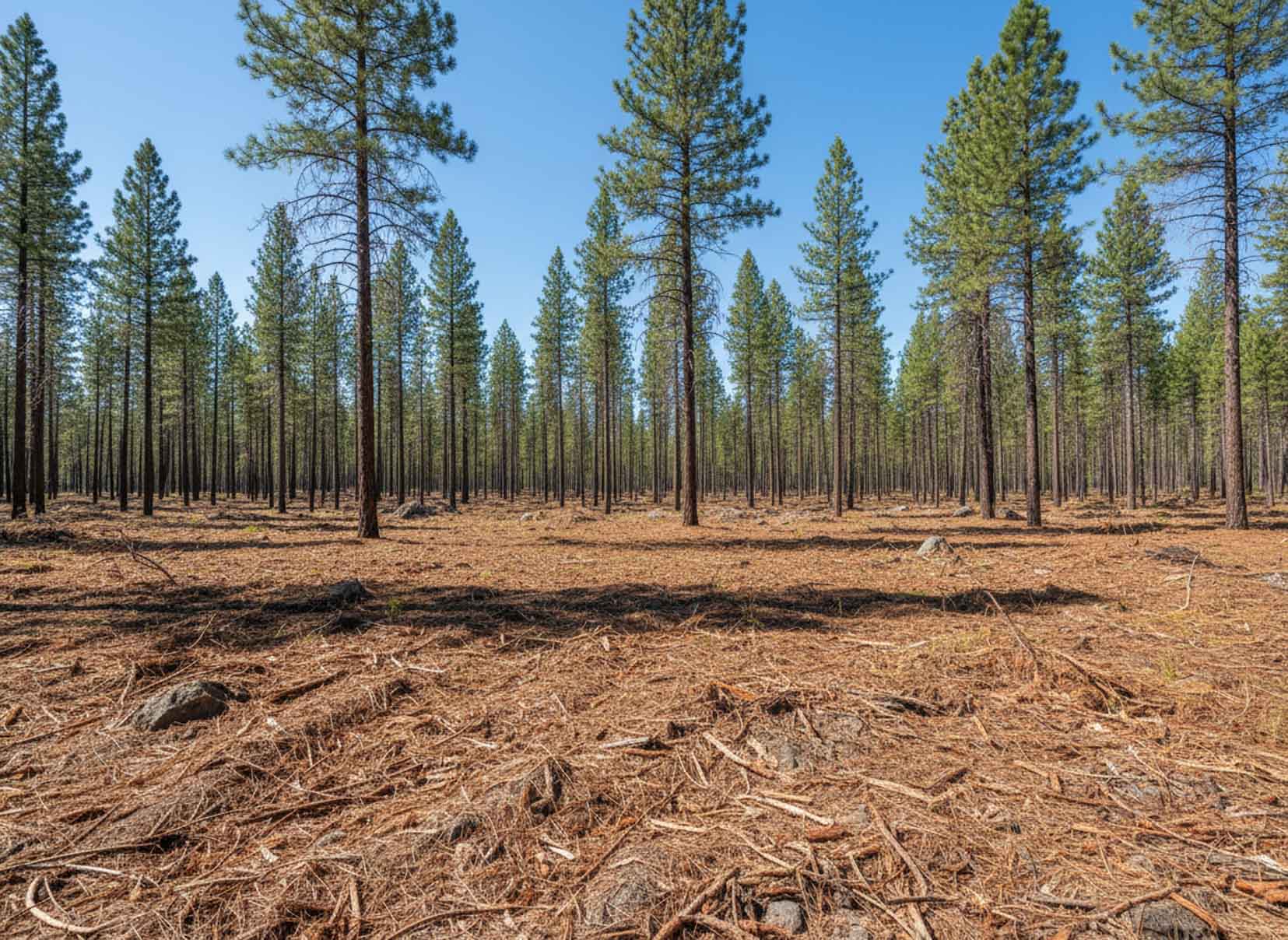
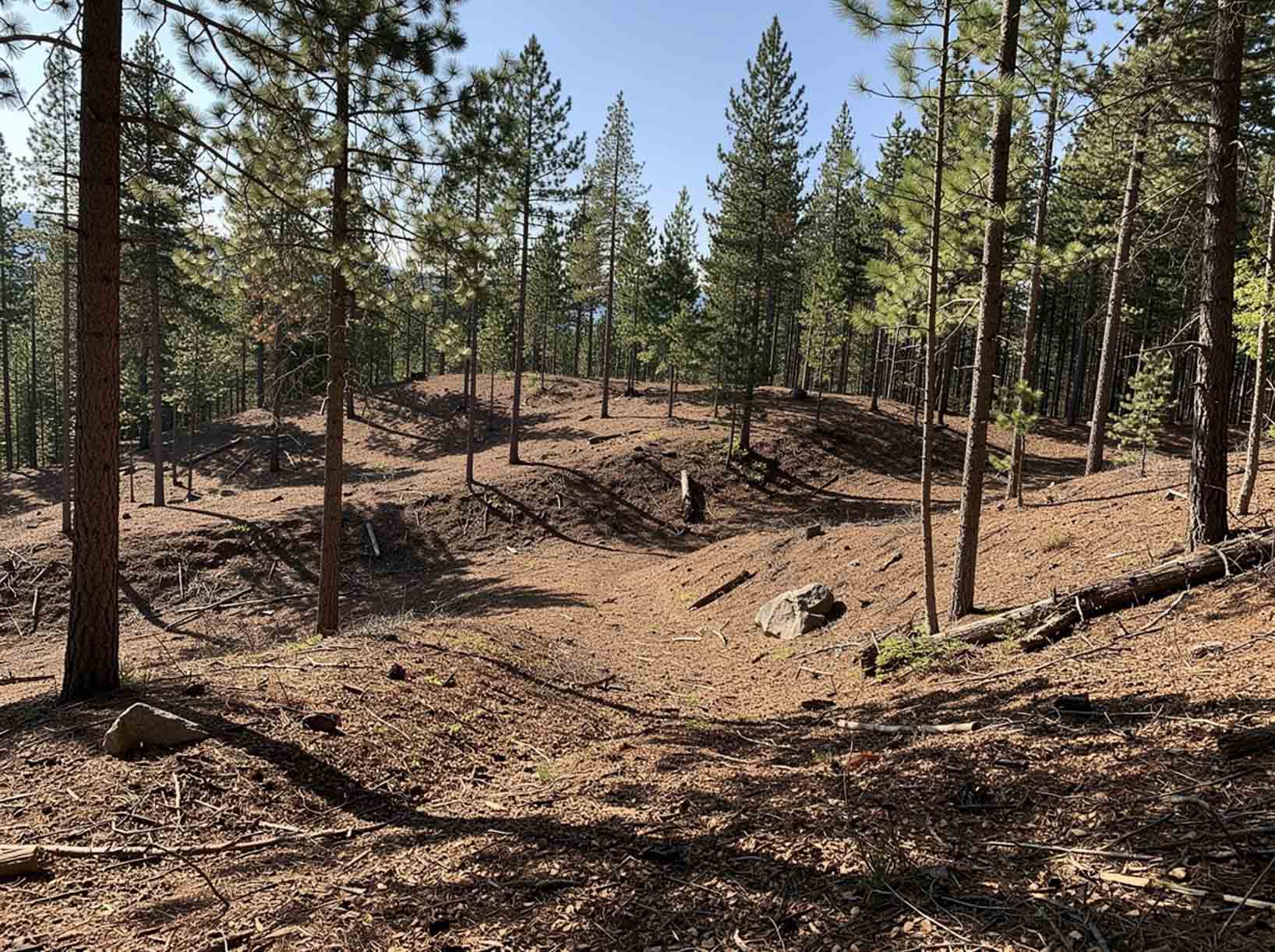
Axsus Land Management provides forestry mulching for rural acreage, wooded properties, agricultural land, fuel reduction, access improvement and vegetation management across Washington, Idaho, Montana and Oregon. Properties throughout the region may include mixed conifer forest, dense understory growth, dry brush, open pasture, steep terrain and seasonally soft ground.
Washington Forestry Mulching
Spokane, Spokane Valley, Deer Park, Cheney, Colville, and Newport.
Idaho Forestry Mulching
Coeur d’Alene, Sandpoint, and Moscow.
Montana Forestry Mulching
We also provide broader land-management services throughout Washington, Idaho, Montana and Oregon. Each property is evaluated individually to determine whether forestry mulching is appropriate and how the work should support the landowner’s access, wildfire, agricultural or development goals.
Forestry Mulching Resources
Learn more about selecting the right vegetation-management method and comparing forestry mulching with other clearing options.
Recent Forestry and Land Management Projects
Review examples of completed forestry mulching, vegetation reduction, land clearing, logging and wildfire-mitigation work across the region.
Discuss Your Forestry Mulching Project
Tell us about the property location, acreage, vegetation, terrain, access and what you want the treated area to be used for afterward. We can review the site and determine whether forestry mulching or a coordinated land-management approach is appropriate.