
Wildfire Mitigation Services Across Washington, Idaho, Montana and Oregon
Wildfire Mitigation for Rural Acreage and Wooded Properties
Axsus Land Management provides professional wildfire mitigation services for rural acreage, wooded residential properties, agricultural land and forested parcels across Washington, Idaho, Montana and Oregon. We help landowners reduce dense vegetation, improve defensible space, open access routes and manage fuels around homes, outbuildings and wooded acreage.
Wildfire mitigation focuses on selectively treating the vegetation and woody material that may contribute to fire movement or intensity. The objective is not automatically to clear the entire property. Many projects retain healthy trees and desirable vegetation while reducing brush, smaller ladder fuels, dead material and overcrowded growth.
Depending on the property, the work may involve forestry mulching, logging and tree removal, land clearing or a coordinated combination of treatment methods.
Landowners beginning the planning process can review our guide to defensible space for rural properties.
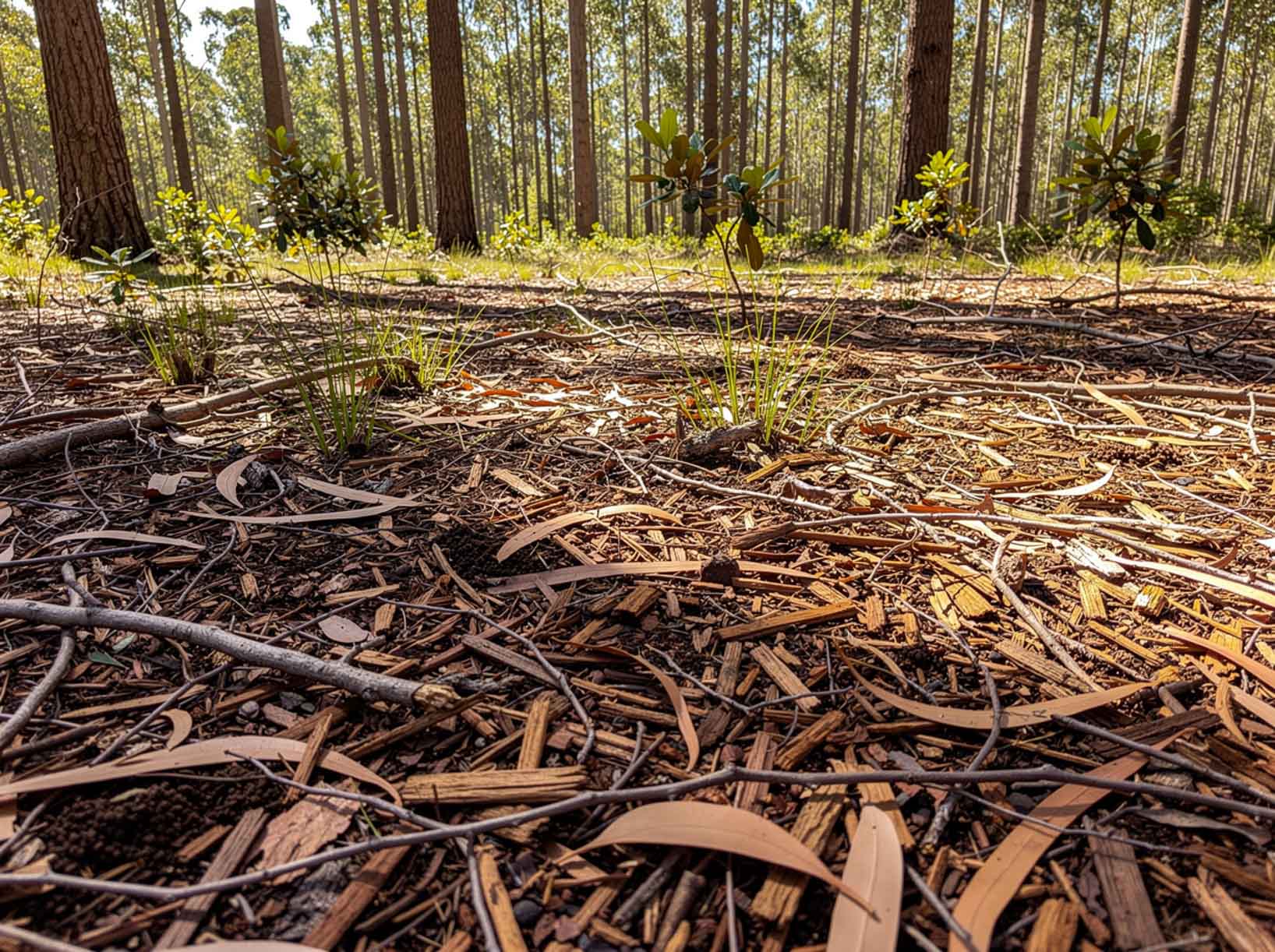
Defensible Space, Fuel Reduction and Forest Thinning
Wildfire mitigation may include several different treatment objectives depending on the location of structures, vegetation arrangement, terrain and long-term maintenance needs.
Common wildfire-mitigation work may include:
- Reducing vegetation around homes and outbuildings
- Removing dense brush and understory growth
- Reducing ladder fuels beneath retained trees
- Thinning overcrowded timber
- Pruning lower limbs where appropriate
- Opening or widening private roads and driveways
- Managing vegetation near fences, utilities and property boundaries
- Reducing accumulated limbs, slash and woody debris
- Creating access for future vegetation maintenance
Defensible space is the managed area surrounding a home, shop, barn or other structure. The appropriate treatment depends on the building materials, surrounding vegetation, slope, prevailing conditions, access and how fuels connect different portions of the property.
There is no single treatment distance or tree-spacing formula that fits every property. Recommendations should be based on actual site conditions rather than applying the same clearing pattern everywhere.
How We Evaluate a Wildfire-Mitigation Property
Before recommending work, we evaluate the conditions that influence treatment priorities, equipment access, safety and the expected finished result.
Important site factors include:
- Location of homes, shops, barns and other structures
- Vegetation type and density
- Tree size, spacing and condition
- Brush, grass and understory continuity
- Terrain and slope
- Rock, soil and seasonal ground conditions
- Private roads, driveways and emergency access
- Fences, utilities and property boundaries
- Areas requiring hand work or limited mechanical access
- How slash and treated material will be handled
- The landowner’s maintenance capacity after the initial treatment
The highest-priority areas are often those where dense vegetation connects directly to structures, where brush and lower branches create vertical fuel pathways or where restricted access may complicate maintenance and emergency response.
Some properties can be treated in one phase. Larger acreage may require a staged plan that begins around structures and access routes before expanding into surrounding forest or overgrown portions of the property.
Fuel Reduction Along Roads, Driveways and Property Access
Private roads and long rural driveways may be bordered by brush, low branches, leaning trees and dense vegetation. These conditions can narrow the usable travel corridor, reduce visibility and limit access for property maintenance or emergency response.
Access-route treatment may include removing encroaching brush, reducing lower vegetation, improving overhead clearance where appropriate and creating space for future maintenance.
Roadside treatment should account for road width, slope, drainage, property boundaries and the stability of retained trees. Removing vegetation without considering these conditions may create erosion, visibility or maintenance problems.
Slash, Woody Debris and Long-Term Maintenance
Cutting vegetation is only part of a wildfire-mitigation project. Limbs, brush, slash and other woody material must also be managed so the work does not leave concentrated debris across the property.
Depending on the treatment plan, material may be:
- Processed through forestry mulching
- Chipped or consolidated
- Separated into logs or firewood
- Placed in designated areas
- Removed where access and project scope allow
- Handled according to a forestry or agency-approved plan
Wildfire mitigation is not permanent. Brush, grass, seedlings and resprouting vegetation may return after the initial treatment. Long-term results depend on routine inspections, seasonal cleanup and follow-up vegetation management.
Use our wildfire season preparation checklist to review vegetation, access, equipment, water sources and evacuation planning before dry conditions intensify.
What Wildfire Mitigation Can and Cannot Do
Vegetation treatment may reduce fuel continuity, improve access and create greater separation between structures and surrounding vegetation. It can also make future property maintenance more manageable.
Wildfire behavior is influenced by weather, wind, terrain, surrounding properties, structure construction and many other conditions outside the treated area. No contractor, treatment method or defensible-space plan can eliminate wildfire risk or guarantee that a structure will survive a wildfire.
Learn more about how selective vegetation treatment can support wildfire prevention and forest health.
Frequently Asked Questions About Wildfire Mitigation
What is wildfire mitigation?
Wildfire mitigation is the selective treatment of vegetation and woody fuels that may contribute to fire movement or intensity across a property. Work may include defensible-space preparation, brush reduction, ladder-fuel treatment, timber thinning and access improvement.
What is defensible space?
Defensible space is the managed area around a home, shop, barn or other structure. The objective is to reduce combustible vegetation and create greater separation between buildings, brush, trees and accumulated surface fuels.
What is the difference between wildfire mitigation and land clearing?
Wildfire mitigation selectively treats vegetation while retaining healthy trees and useful natural features where practical. Land clearing is generally more extensive and is commonly used to prepare property for construction, roads, utilities, agriculture or development.
Can forestry mulching be used for fuel reduction?
Yes. Forestry mulching can reduce dense brush, saplings and understory vegetation as part of a broader fuel-reduction plan. Suitability depends on vegetation size, slope, access, soil conditions and the desired finished result.
Does forest thinning reduce wildfire risk?
Selective thinning may reduce fuel continuity and improve spacing within overcrowded stands. The appropriate amount of thinning depends on tree species, size, condition, terrain and the overall treatment objective.
Do all trees need to be removed around a home?
No. Wildfire mitigation does not automatically require removing every tree. Many projects retain healthy trees while addressing brush, lower branches, small trees, dead material and vegetation that creates continuous fuel pathways.
Can wildfire mitigation be completed on steep property?
Some sloped properties can be treated, but suitability depends on safe equipment access, soil stability, vegetation, rock and current ground conditions. Steeper areas may require limited mechanical work, hand treatment or a different treatment approach.
What happens to brush and slash after treatment?
Material may be mulched, chipped, consolidated, separated, removed or retained in designated areas depending on the project. The slash-handling plan should be established before work begins.
How often does wildfire-mitigation work need maintenance?
Maintenance frequency varies according to vegetation growth, rainfall, species, treatment intensity and property conditions. Brush, grass, seedlings and lower limbs should be reviewed periodically so fuel pathways do not become reestablished.
Can wildfire mitigation guarantee that my home will survive a fire?
No. Vegetation treatment may reduce hazards and improve defensible space, but wildfire behavior is influenced by wind, weather, terrain, surrounding properties and structure construction. No treatment can eliminate wildfire risk or guarantee structural survival.
Are financial-assistance programs available?
Some forest landowners may qualify for state or regional assistance programs, but eligibility, approved treatments and available funding vary. Landowners should contact the administering agency and obtain approval before beginning work or relying on reimbursement.
Featured Wildfire Mitigation Service Areas


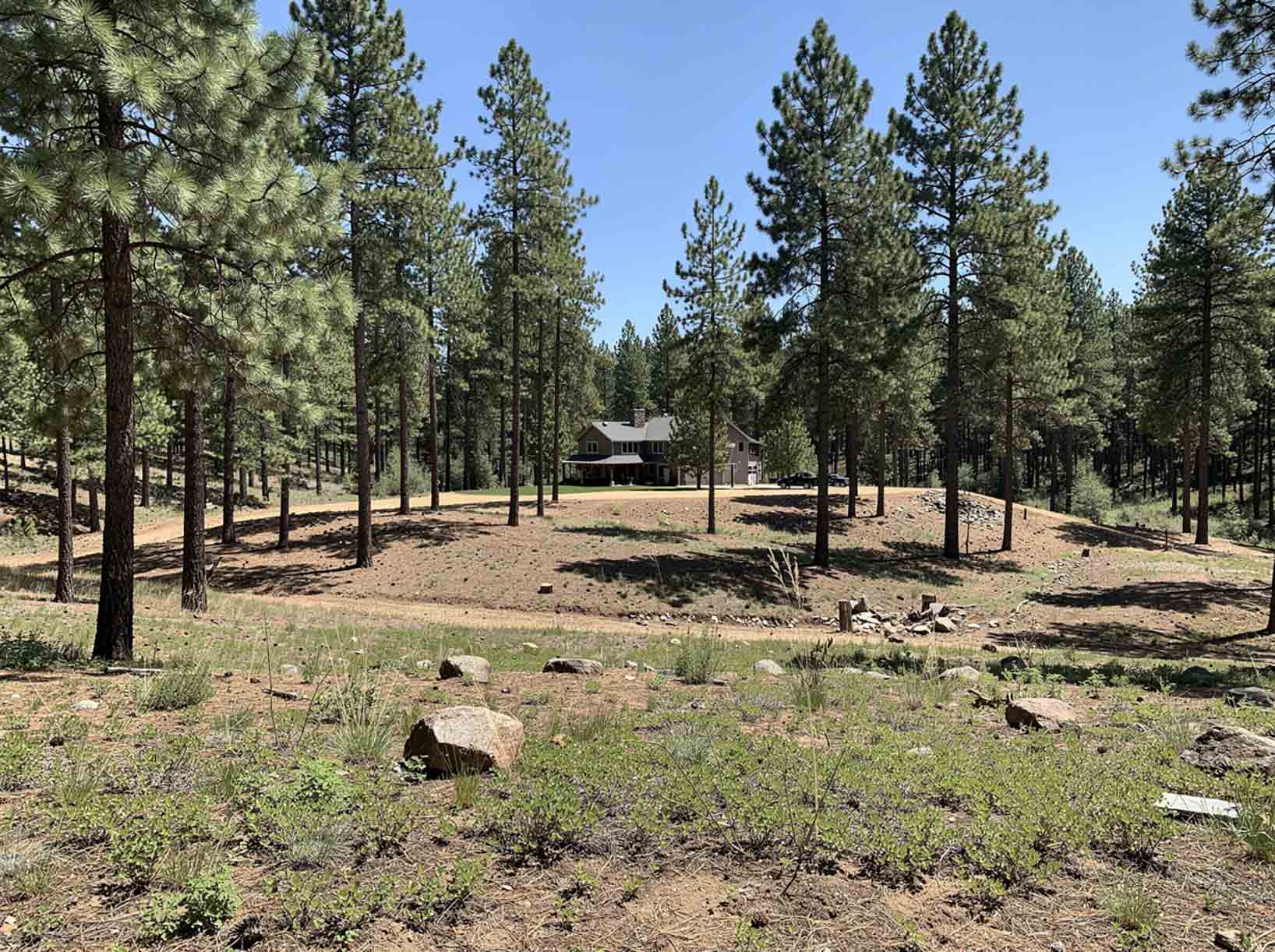

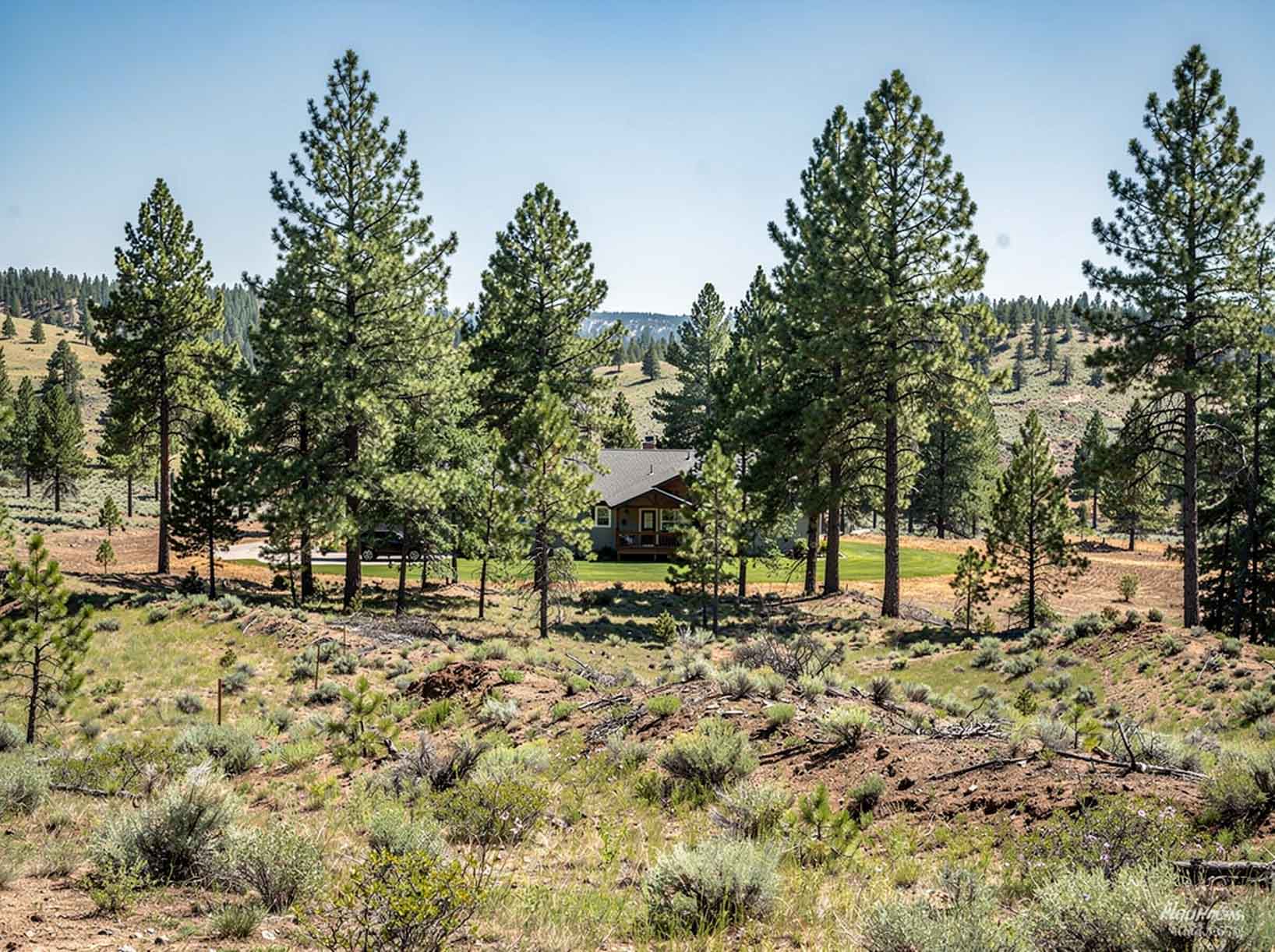
Wildfire Mitigation Service Areas Across the Pacific Northwest
Axsus Land Management provides wildfire mitigation, defensible space, fuel reduction and forest-thinning services for rural acreage, wooded residential properties, agricultural land and development parcels across Washington, Idaho, Montana and Oregon. Property conditions vary throughout the region, from dry pine stands and dense conifer forests to mixed brush, grass fuels, steep terrain, private roads and seasonal access.
Washington Wildfire Mitigation
Spokane, Spokane Valley, Cheney, Deer Park, Colville, and Newport.
Idaho Wildfire Mitigation
Coeur d’Alene, Sandpoint, and Moscow.
Montana Wildfire Mitigation
We also provide broader land-management services throughout Washington, Idaho, Montana and Oregon. Each wildfire-mitigation project is evaluated based on vegetation density, terrain, structures, access and the long-term goals for the property.
Wildfire Mitigation Resources
Review practical guidance for reducing wildfire exposure, improving defensible space and managing vegetation across rural and wooded properties.
Recent Wildfire and Land Management Projects
Review examples of completed vegetation reduction, forestry mulching, selective clearing, logging and land-management work across the region.
Discuss Your Wildfire Mitigation Project
Tell us about the property location, acreage, structures, vegetation, terrain, access and your primary wildfire-mitigation concerns. We can review the site and determine whether defensible-space work, forestry mulching, selective tree removal or a coordinated treatment plan is appropriate.