
Professional Land Clearing Services Across Washington, Idaho, Montana and Oregon
Land Clearing for Rural Acreage, Homesites and Development
Axsus Land Management provides professional land clearing services for rural acreage, residential properties, agricultural land and development sites across Washington, Idaho, Montana and Oregon. We help property owners remove unwanted trees, brush and dense vegetation while preparing land for its next practical use.
Projects may include clearing a future homesite, opening access to previously unusable acreage, preparing agricultural ground, creating utility corridors or moving a larger development parcel toward grading and construction. Every site is reviewed based on vegetation type, terrain, slope, access, soil conditions and the property owner’s long-term goals.
The right treatment is not always full clearing. Some properties benefit from selective tree removal, while others may require a combination of forestry mulching, logging and tree removal, clearing and excavation or site preparation.
Property owners comparing treatment options can also review our guide on how to choose the right land clearing method.
Residential, Commercial and Selective Land Clearing
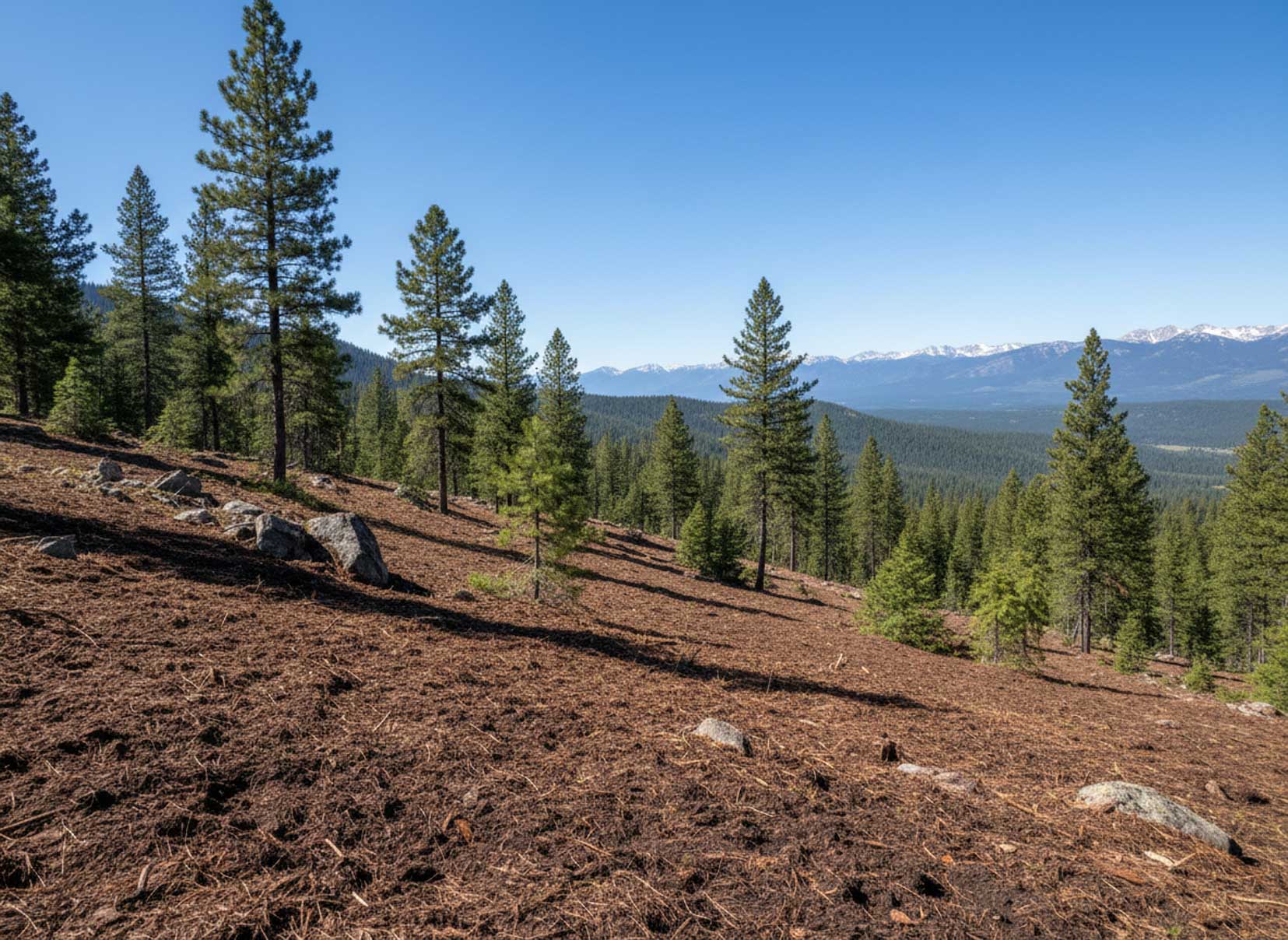
Land clearing can support a wide range of rural, residential, agricultural and commercial property goals. Common projects include future home and cabin sites, agricultural land preparation, commercial development, private roads, utility corridors, pasture reclamation, fence-line clearing and overgrown acreage cleanup.
Not every property needs to be cleared from boundary to boundary. The most practical approach depends on how the land will be used, which trees or natural features should remain, the amount and size of vegetation, terrain, access and the condition the site needs to be in when work is complete.
Land clearing options may include:
- Selective clearing that preserves desirable trees
- Full clearing for construction or development
- Brush and understory removal around retained trees
- Opening access roads, trails and equipment corridors
- Clearing around homes, shops, barns and utilities
- Reclaiming overgrown fields or rural acreage
- Preparing land for grading, excavation or utility installation
Selective clearing may be appropriate when property owners want to improve access, visibility or usability without removing the entire tree stand. Full-site clearing may be required where construction, grading, utilities or agricultural conversion will substantially change the property.
Forestry mulching and traditional land clearing serve different purposes depending on the vegetation, terrain and desired finished condition. Our comparison of forestry mulching versus traditional land clearing explains the differences in vegetation removal, ground disturbance and debris handling.
How We Choose the Right Clearing Method
Land-clearing methods should be selected according to actual site conditions rather than applying the same process to every property. Before work begins, we evaluate:
- Tree and brush density
- Average material size
- Terrain and slope
- Rock, soil and drainage conditions
- Equipment access and staging space
- Structures, utilities and property boundaries
- Whether timber should be separated or retained
- How slash and cleared material will be handled
- The intended use of the property after clearing
Some properties can be handled in one phase, while others require several coordinated stages. The treatment plan should account for what must be removed, what should remain, how material will be handled and what the property needs to be ready for afterward.
Planning the sequence in advance can reduce repeated mobilization and create a smoother transition from overgrown acreage to usable land.
Land Clearing for Access, Fuel Reduction and Forest Health
Some land-clearing projects are focused on construction or development, while others are intended to improve access, reduce heavy vegetation or support longer-term forest management.
Selective clearing may help open private roads, reduce dense brush, separate continuous vegetation from structures and create space for future maintenance. Wildfire-related work should be planned differently from complete development clearing because the goal may be to reduce fuel continuity while retaining healthy, well-spaced trees.
Properties with wildfire-resilience goals may require a coordinated wildfire mitigation plan rather than broad clearing alone.
Learn more about how land clearing can support wildfire prevention and forest health when it is applied selectively and with clear treatment goals.
Frequently Asked Questions About Land Clearing
What is included in professional land clearing?
Land clearing may include removing trees, brush, saplings and other vegetation to prepare property for construction, agriculture, access or improved use. The exact scope depends on the acreage, vegetation, terrain and desired finished condition.
What is the difference between land clearing and forestry mulching?
Forestry mulching processes brush and smaller vegetation into ground-level mulch. Land clearing generally involves more extensive removal and may be better suited for development sites, road corridors, agricultural conversion or areas requiring excavation afterward.
Do you provide selective land clearing?
Yes. Selective clearing can preserve desirable trees and natural features while removing unwanted vegetation, improving access or opening specific portions of the property.
Can land clearing prepare a property for construction?
Yes. Land clearing is often the first phase before grading, utility installation, road construction, pad preparation or foundation excavation. Additional excavation and site-preparation work may be required after vegetation is removed.
Do you handle large-acreage clearing projects?
Yes. Axsus Land Management works on acreage-scale rural, agricultural and development properties. Site access, terrain, material size and equipment staging are reviewed before the project is scoped.
What happens to trees and brush after clearing?
Material may be separated, mulched, chipped, consolidated or removed depending on the project. The debris-handling method should be determined before work begins.
Is burning required after land clearing?
No. Burning is only one possible debris-management method and may be restricted or inappropriate for a particular site. Local rules, weather conditions and project requirements must be considered.
How long does a land-clearing project take?
Timelines vary according to acreage, terrain, vegetation density, material size, access and the desired finished condition. A site evaluation is needed before a dependable schedule can be provided.
Can land clearing improve access to rural acreage?
Yes. Clearing is commonly used to open or widen private roads, driveways, fence lines, trails, utility corridors and access routes for future property maintenance.
Which land-clearing method is best for my property?
The best method depends on vegetation size, terrain, access, soil conditions and what the land will be used for afterward. Some properties require forestry mulching, while others need selective tree removal, full clearing or several coordinated services.
Featured Land Clearing Service Areas
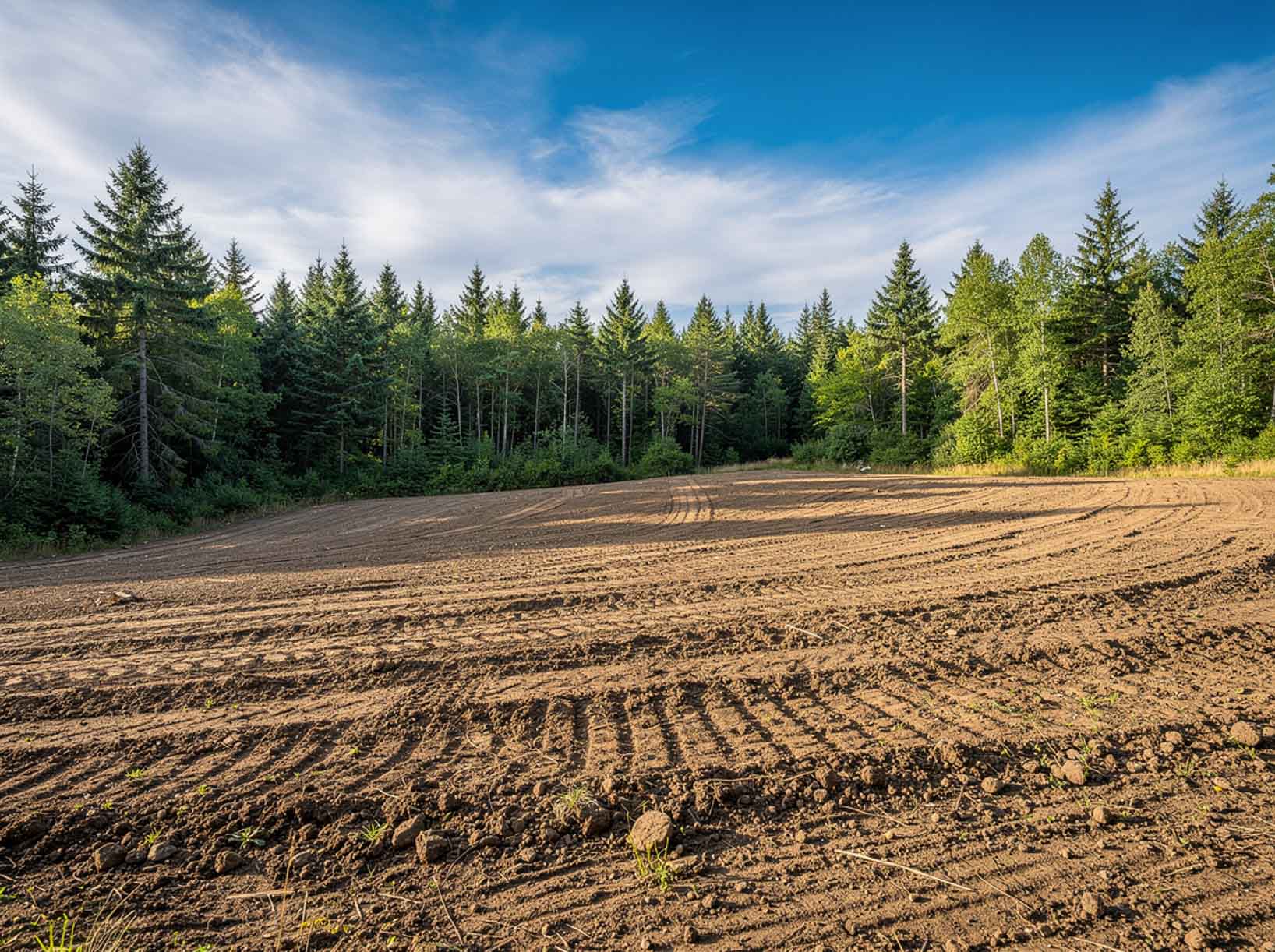
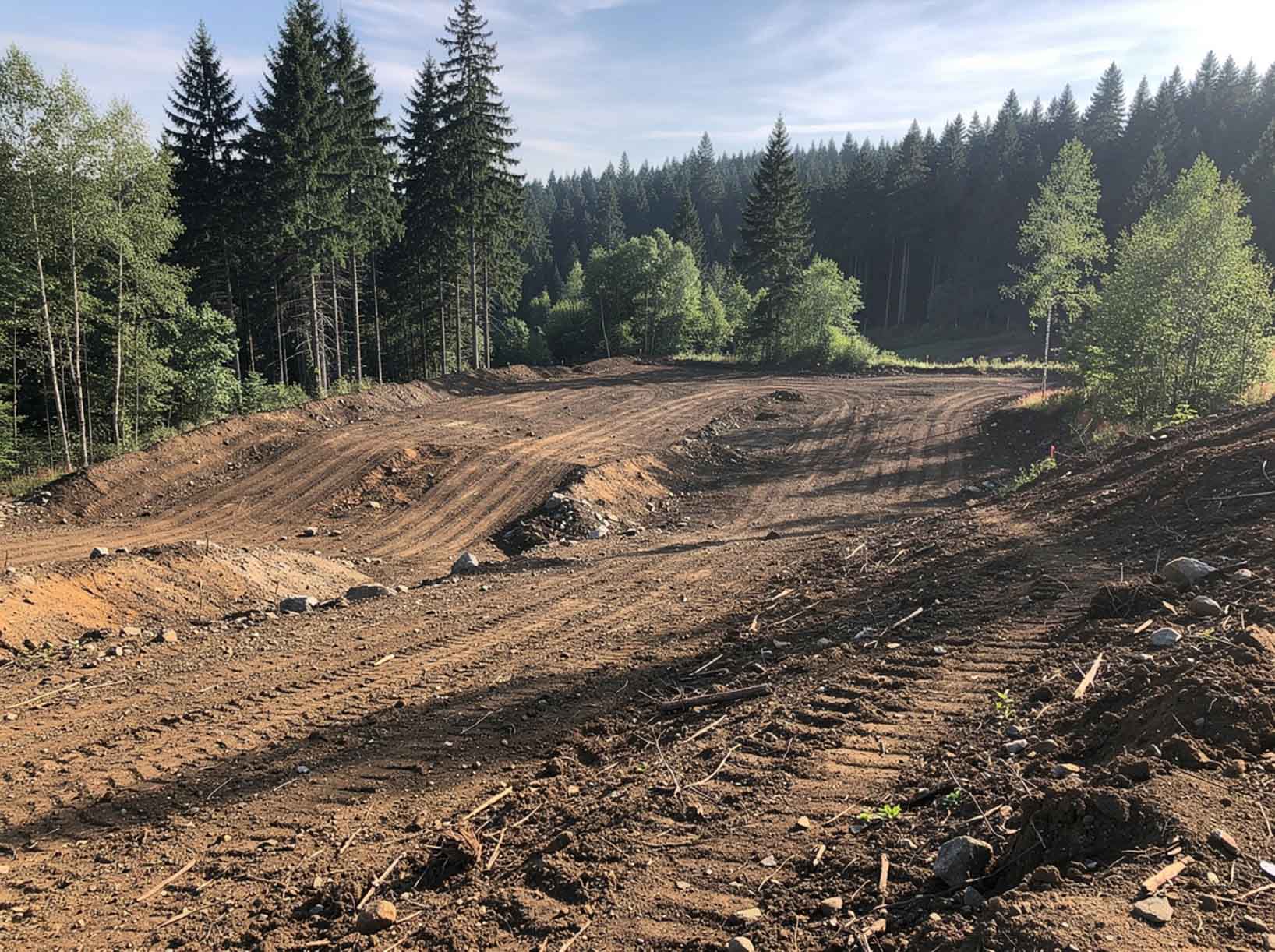
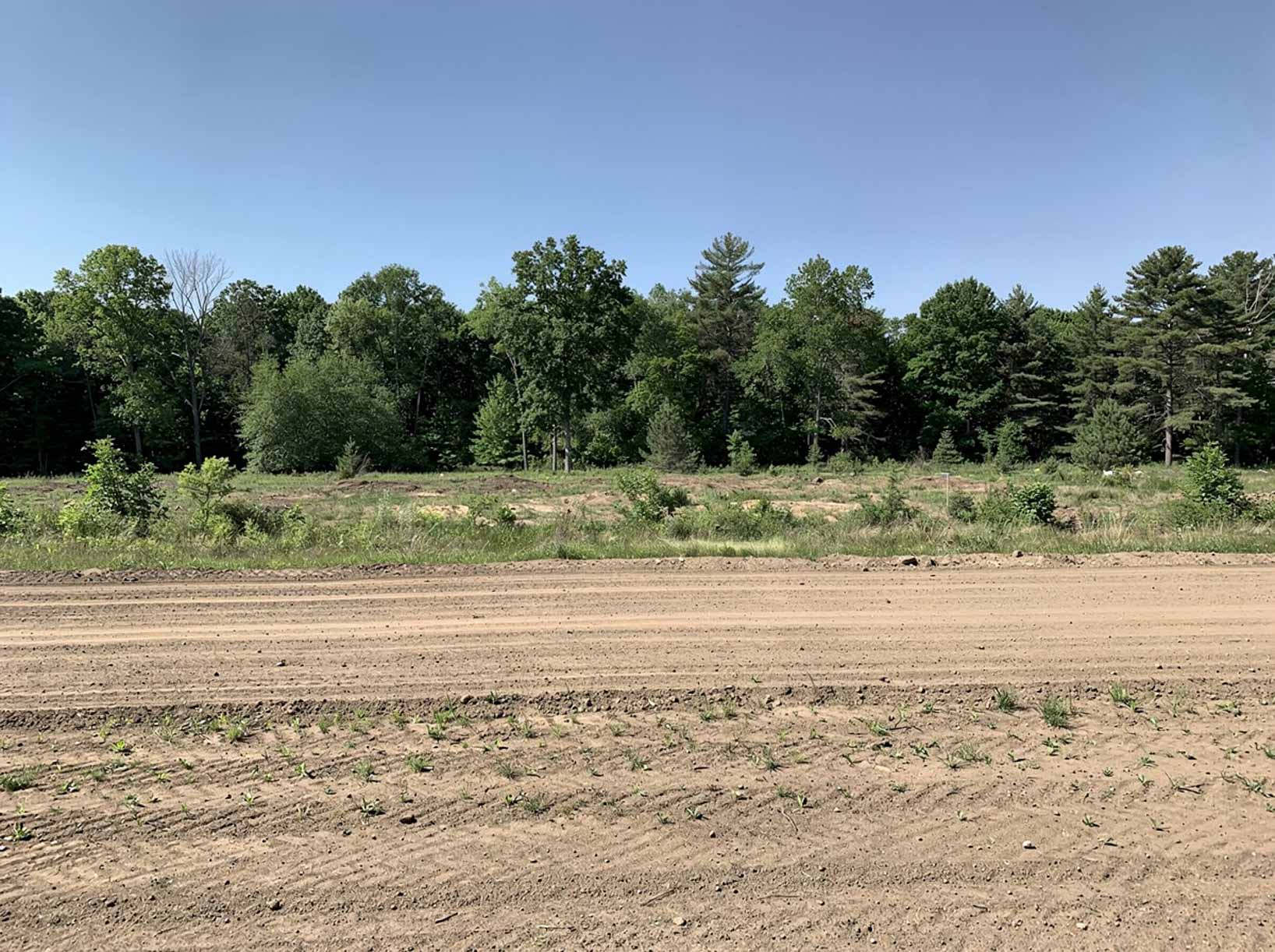
Land Clearing Service Areas Across the Pacific Northwest
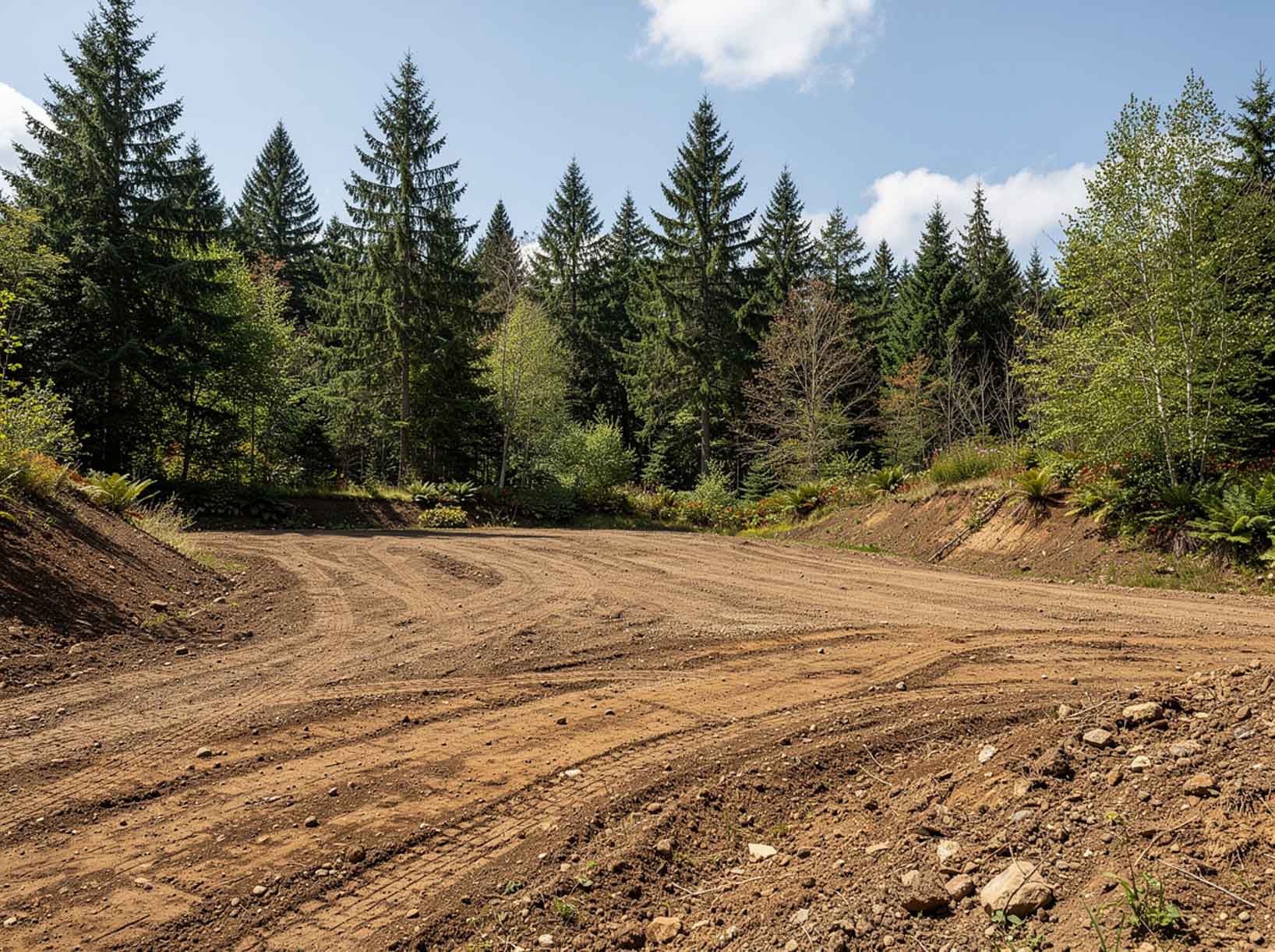
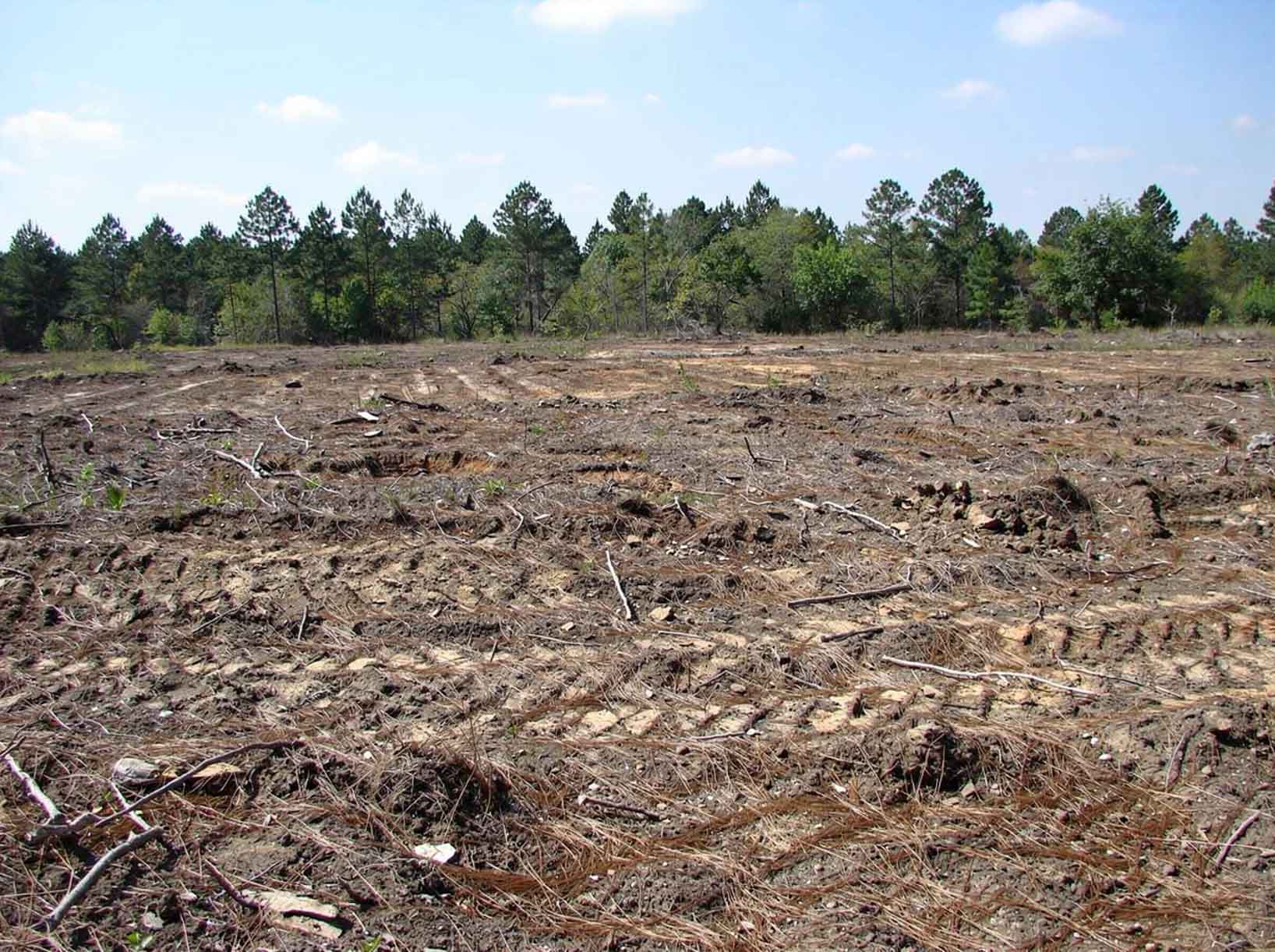
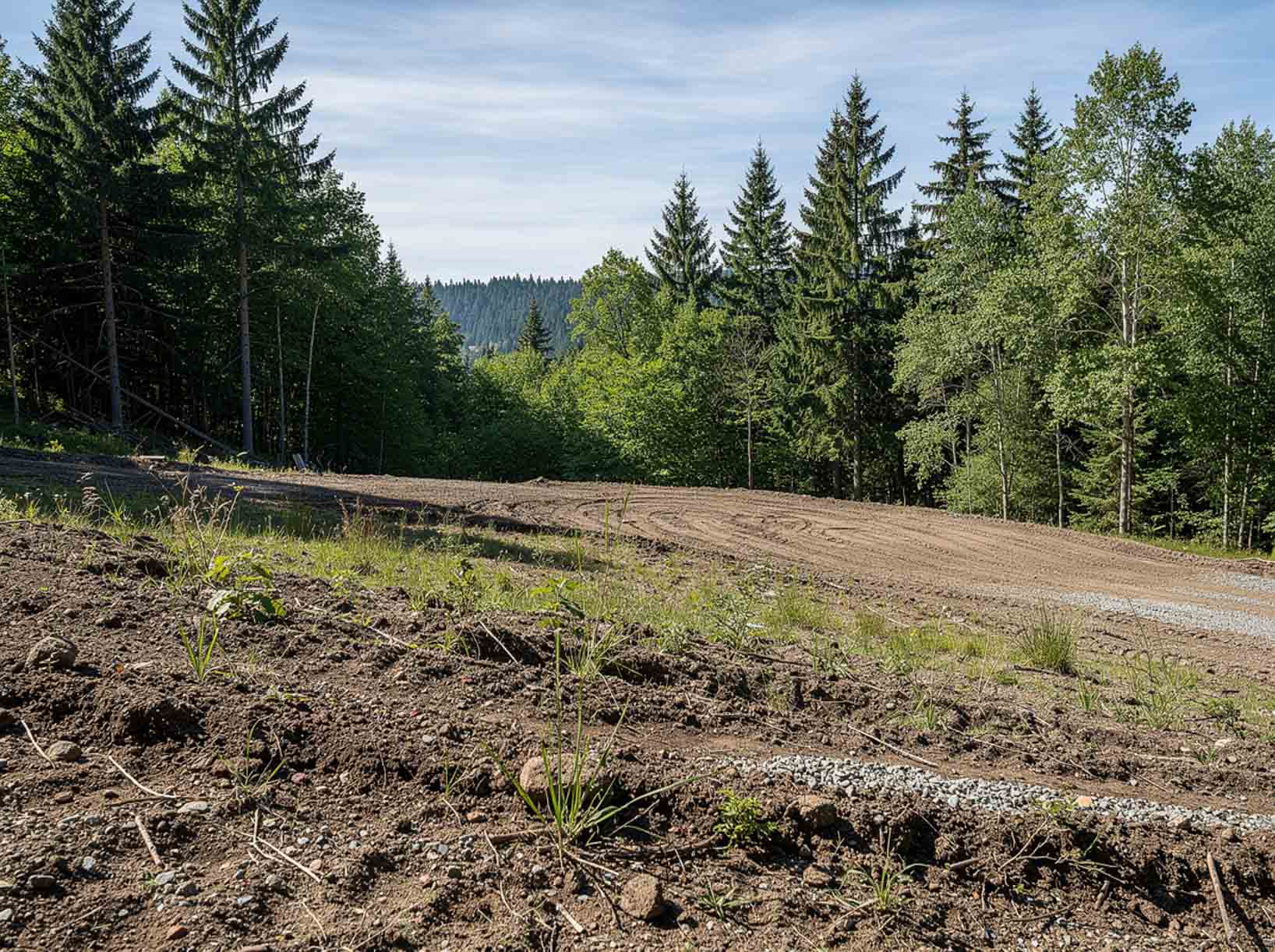
Axsus Land Management provides professional land clearing and land-development support across Washington, Idaho, Montana and Oregon. We work with rural acreage, wooded properties, homesites, agricultural land, access improvements and development projects, with each clearing approach based on vegetation, terrain, access, soil conditions and the intended use of the property.
Washington Land Clearing Service Areas
Spokane, Spokane Valley, Colville, Cusick, Ellensburg, Leavenworth, Moses Lake, Newport, Omak, Republic, and Wenatchee.
We also serve landowners and development projects throughout Idaho, Montana and Oregon. Project availability depends on acreage, location, access, terrain and overall scope.
Land Clearing Resources
Learn more about choosing the right clearing method, comparing land-clearing options and managing vegetation for development, access and forest-health goals.
Recent Land Management Projects
Every property has different terrain, vegetation, access limitations and end goals. Review examples of completed forestry mulching, land clearing, logging and wildfire-mitigation work across the region.
Discuss Your Land Clearing Project
Tell us about the property location, acreage, vegetation, terrain, access and what you plan to do with the land after clearing. We can review the site and recommend an appropriate combination of clearing, mulching, tree removal or excavation services.