
Excavation and Site Preparation Across Washington, Idaho, Montana and Oregon
Excavation and Site Preparation for Rural Acreage and Development
Axsus Land Management provides excavation and site preparation for rural acreage, residential building sites, agricultural properties and selected development projects across Washington, Idaho, Montana and Oregon. Work may include rough grading, building-site preparation, private road and driveway construction, drainage improvements, trenching and other earthwork needed to make land more functional and accessible.
Excavation is often the transition between undeveloped land and the next phase of construction or property improvement. Each site is evaluated according to terrain, soil and rock conditions, drainage, access, existing vegetation and the intended use of the property.
Where trees, brush or larger timber still occupy the work area, excavation may follow land clearing, logging and tree removal or forestry mulching.
Property owners still determining how the land should be opened can also review our guide on choosing the right land-clearing method.
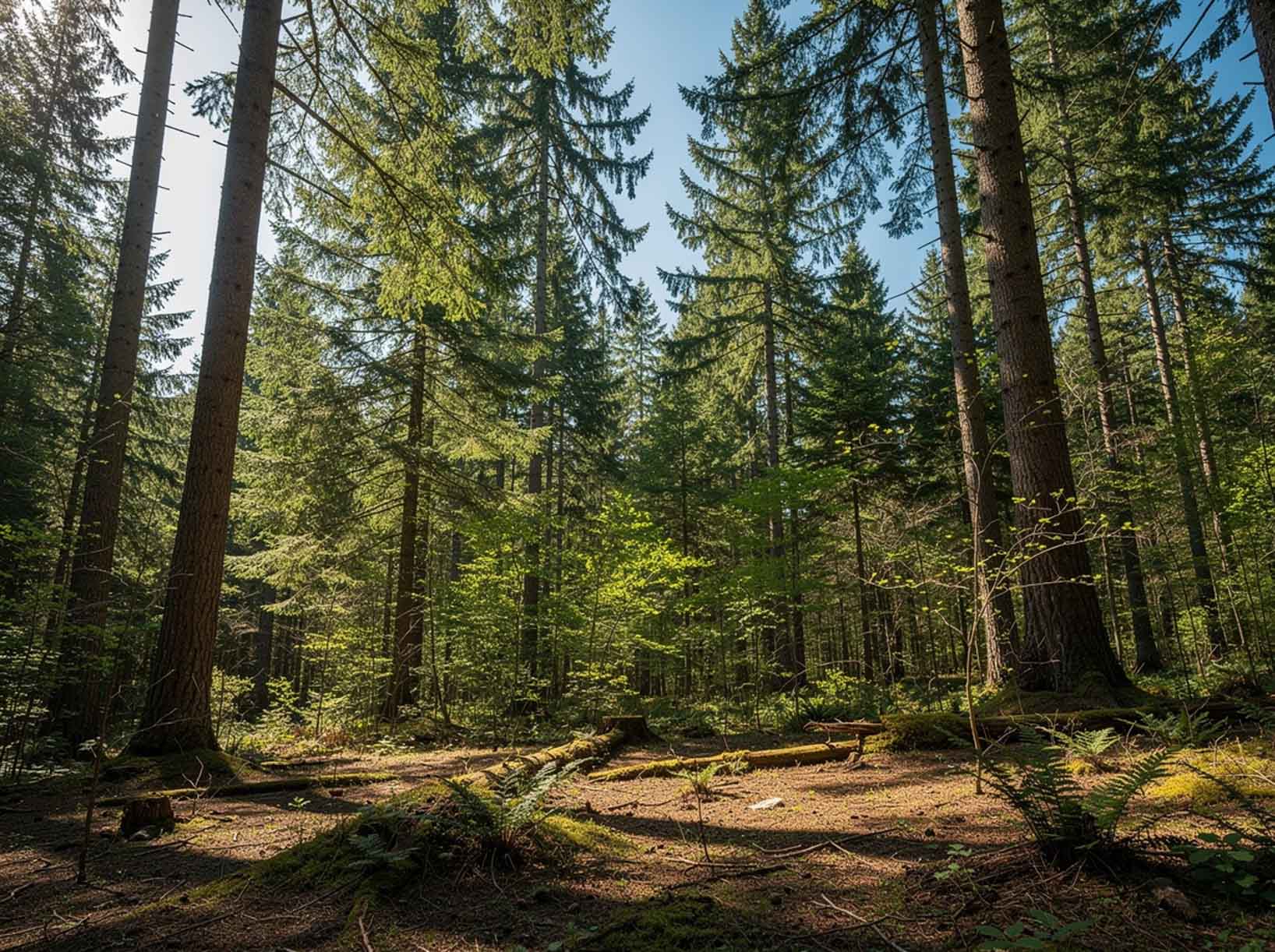
Building Sites, Grading and Rural Property Preparation
Excavation and site preparation can support several phases of rural property improvement and development. The exact scope depends on the existing ground conditions and what the site must support when the work is complete.
Services may include:
- Building-site and pad preparation
- Rough grading and land shaping
- Foundation-area excavation
- Private road and driveway construction
- Access-corridor improvement
- Drainage shaping and water management
- Culvert preparation and placement
- Utility and infrastructure trenching
- Removal of selected site obstructions
- Final grading and site contouring
Removing soil or creating a level area does not automatically make a site ready for construction. Building pads, foundations and structural areas must be planned according to the project design, soil conditions, drainage requirements and any specifications provided by the builder, engineer or permitting authority.
How We Evaluate an Excavation Property
Before work begins, we evaluate the conditions that affect equipment access, excavation depth, material handling, drainage and the expected finished result.
Important site factors include:
- Terrain and slope
- Soil type and stability
- Rock and buried obstructions
- Surface-water movement and drainage
- Seasonally wet or soft ground
- Equipment access and turning space
- Existing roads, structures and utilities
- Property boundaries and work limits
- Available areas for excavated material
- The intended use of the completed site
Conditions beneath the surface cannot always be confirmed before excavation begins. Rock, unsuitable soil, buried debris, groundwater or undocumented utilities may affect the project scope, method and schedule once work is underway.
Private Roads, Driveways and Rural Access
Reliable access is essential for rural homes, agricultural property, wooded acreage and future construction sites. Road and driveway work should account for slope, drainage, seasonal conditions, vehicle use and the type of material available for the road base.
Access work may include:
- Opening and grading road corridors
- Improving existing private driveways
- Shaping approaches and entrances
- Preparing the road base
- Establishing drainage and cross-slope
- Preparing locations for culverts
- Correcting selected ruts, low areas or washout damage
- Creating access for equipment and future maintenance
Drainage is a critical part of rural-road performance. Improperly directed water can erode road surfaces, soften the base or create recurring maintenance problems. The appropriate design depends on terrain, runoff, soils and local requirements.
Drainage, Culverts and Utility Preparation
Excavation projects frequently include groundwork for drainage and utility infrastructure. The excavation contractor’s role should be coordinated with the property owner, builder, utility provider and other licensed professionals involved in the project.
Work may include:
- Drainage swales and surface-water shaping
- Culvert excavation and preparation
- Water-line trenching
- Sewer or septic-related trench preparation
- Electrical and communication utility corridors
- Access routes for infrastructure installation
- Backfilling and rough surface restoration
Utility locations, trench dimensions, bedding, separation distances, inspections and final connections may be governed by project plans, utility-provider standards or local codes. Required locating, permitting and professional specifications should be completed before excavation begins.
Demolition Support and Removal of Existing Site Features
Some properties contain small structures, concrete, old pads or other improvements that must be removed before grading or redevelopment can proceed. Demolition suitability depends on the structure, access, materials present and applicable permitting or disposal requirements.
Potential work may include selected removal of:
- Small outbuildings
- Concrete pads or slabs
- Old landscape and site features
- Selected buried or surface obstructions
- Material left within a future building or access area
Hazardous materials, regulated structures, utility conflicts and specialized demolition may require separate testing, permits or qualified contractors. The scope should be confirmed before any structure is disturbed.
Final Grading and Site Finishing
After the primary excavation is complete, final grading helps shape the property for drainage, access and its next intended use. The required finish depends on whether the site will support construction, a driveway, landscaping, erosion control or another property improvement.
Final site work may include:
- Grading and contouring disturbed areas
- Transitioning slopes into surrounding ground
- Redistributing suitable on-site material
- Preparing areas for rock, topsoil or future landscaping
- Establishing basic drainage paths
- Cleaning and organizing the active work area
Final grading does not replace engineering, soil testing, structural compaction testing or landscaping services when those are required for the project.
Frequently Asked Questions About Excavation and Site Preparation
What is included in site preparation?
Site preparation may include vegetation removal, rough grading, excavation, drainage shaping, access improvement and preparation for foundations or utilities. The exact scope depends on the property and what the site must support afterward.
Can excavation prepare my property for a new home?
Yes. Excavation may prepare a building area, foundation location, driveway and utility corridors for a new home. Final construction requirements should follow the builder’s plans, engineering specifications, permits and local codes.
Do you build rural driveways and private roads?
Yes. Axsus Land Management can construct or improve selected private driveways and rural access routes. The project is evaluated according to terrain, slope, drainage, expected vehicle use and available base materials.
Do you handle drainage and culvert work?
Drainage shaping and culvert preparation may be included in excavation and access projects. Culvert sizing, placement and permitting may need to follow local requirements or specifications from an engineer, agency or other qualified professional.
Is excavation performed after land clearing?
Often, yes. Trees, brush, timber and other vegetation may need to be removed before grading, foundation excavation or road construction begins. Some projects can coordinate vegetation removal and earthwork in several planned phases.
Do you provide utility trenching?
Utility trenching may be included where access, soil and project specifications allow. Utility locating, trench requirements, inspections and final installation or connections should be coordinated with the appropriate utility provider and licensed professionals.
Can you excavate rocky or sloped property?
Some rocky or sloped properties can be excavated, but suitability depends on safe equipment access, ground stability, rock conditions and the intended work. A site evaluation is needed before confirming the method and scope.
Do you provide demolition services?
Selected small-scale demolition or removal of existing site features may be available. The structure, materials, utilities, access, disposal needs and permitting requirements must be reviewed before demolition is included in the project.
What happens to excavated soil and rock?
Material may be reused, shaped, stockpiled, relocated on the property or removed depending on its condition and the project scope. The material-handling plan should be established before work begins whenever possible.
How long does an excavation project take?
Timelines vary according to excavation volume, terrain, soil, rock, drainage, access, weather and unexpected underground conditions. A site evaluation is required before providing a dependable project schedule.
Does excavation include engineered compaction?
Not automatically. Some construction projects require specified fill materials, compaction procedures and testing by qualified professionals. These requirements should be identified in the project plans before work begins.
Related Land Management Services

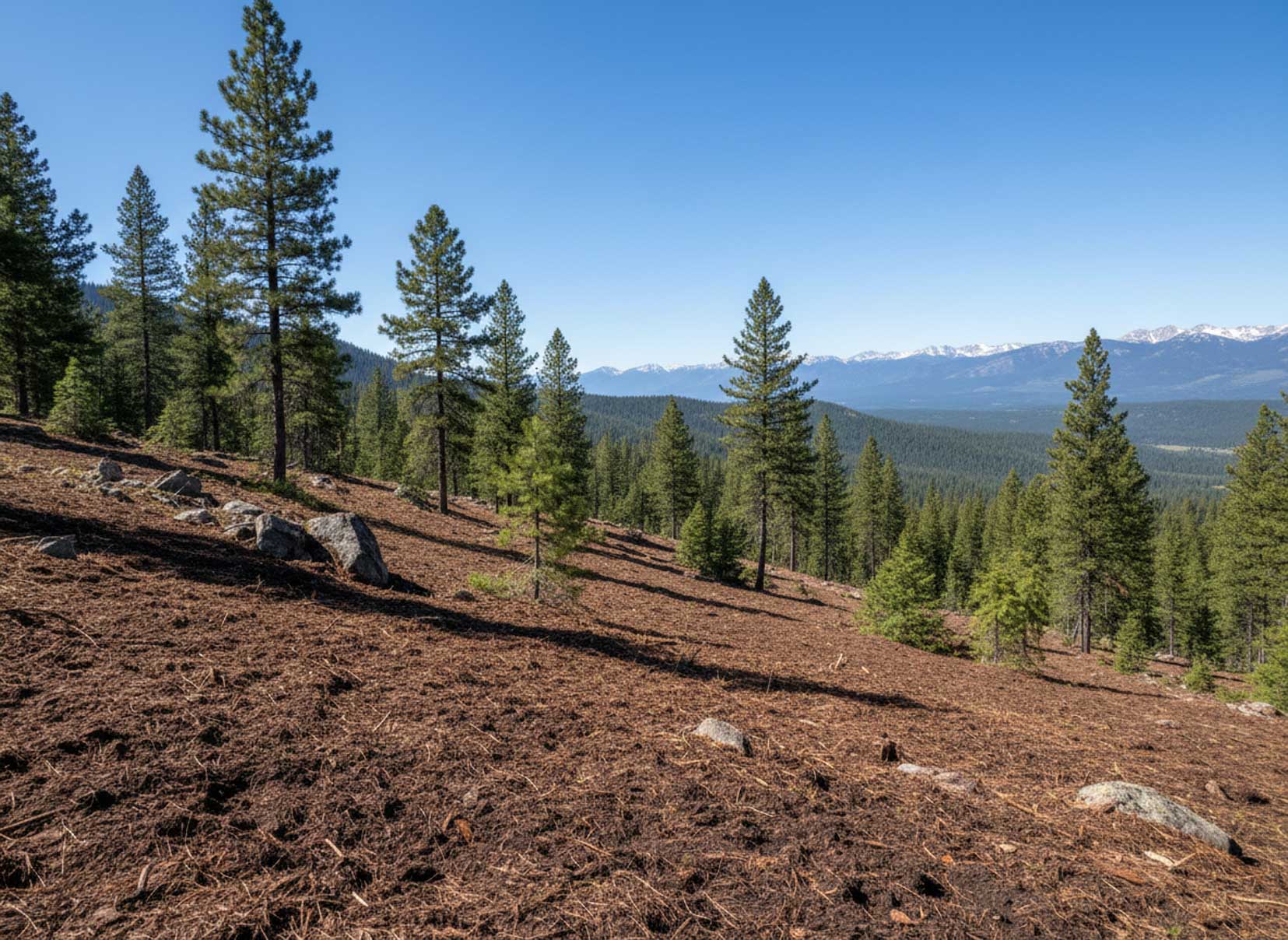
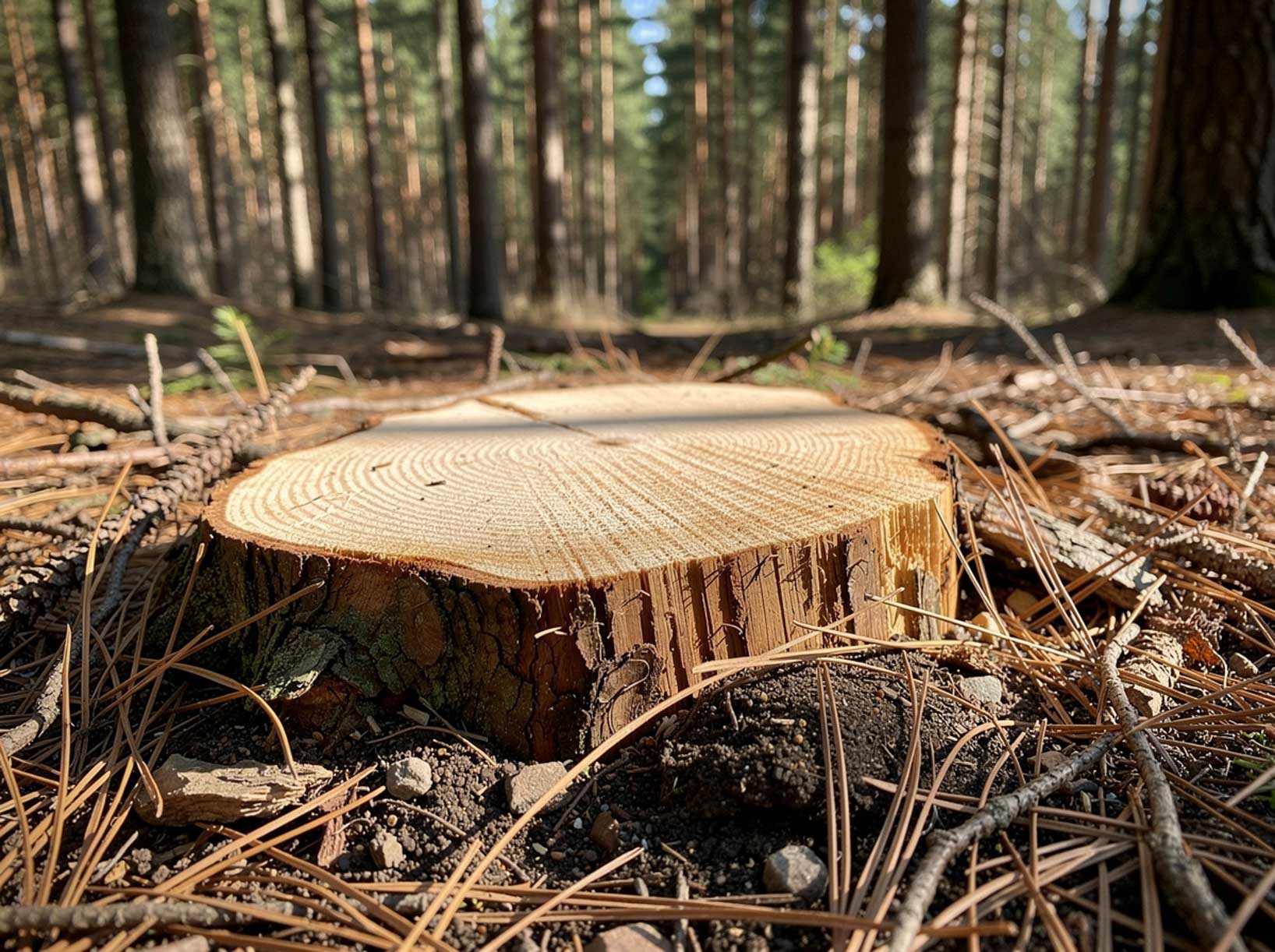
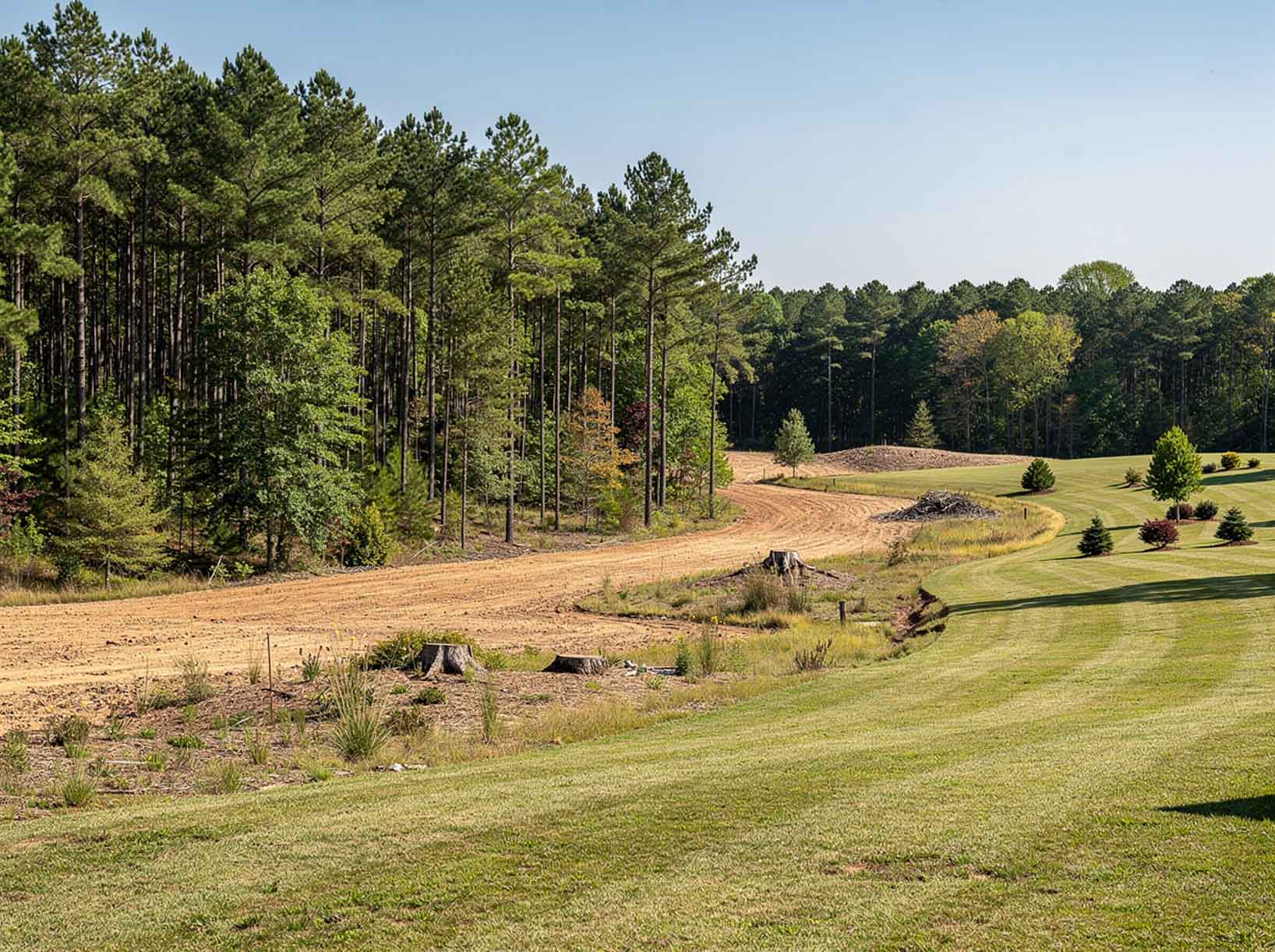

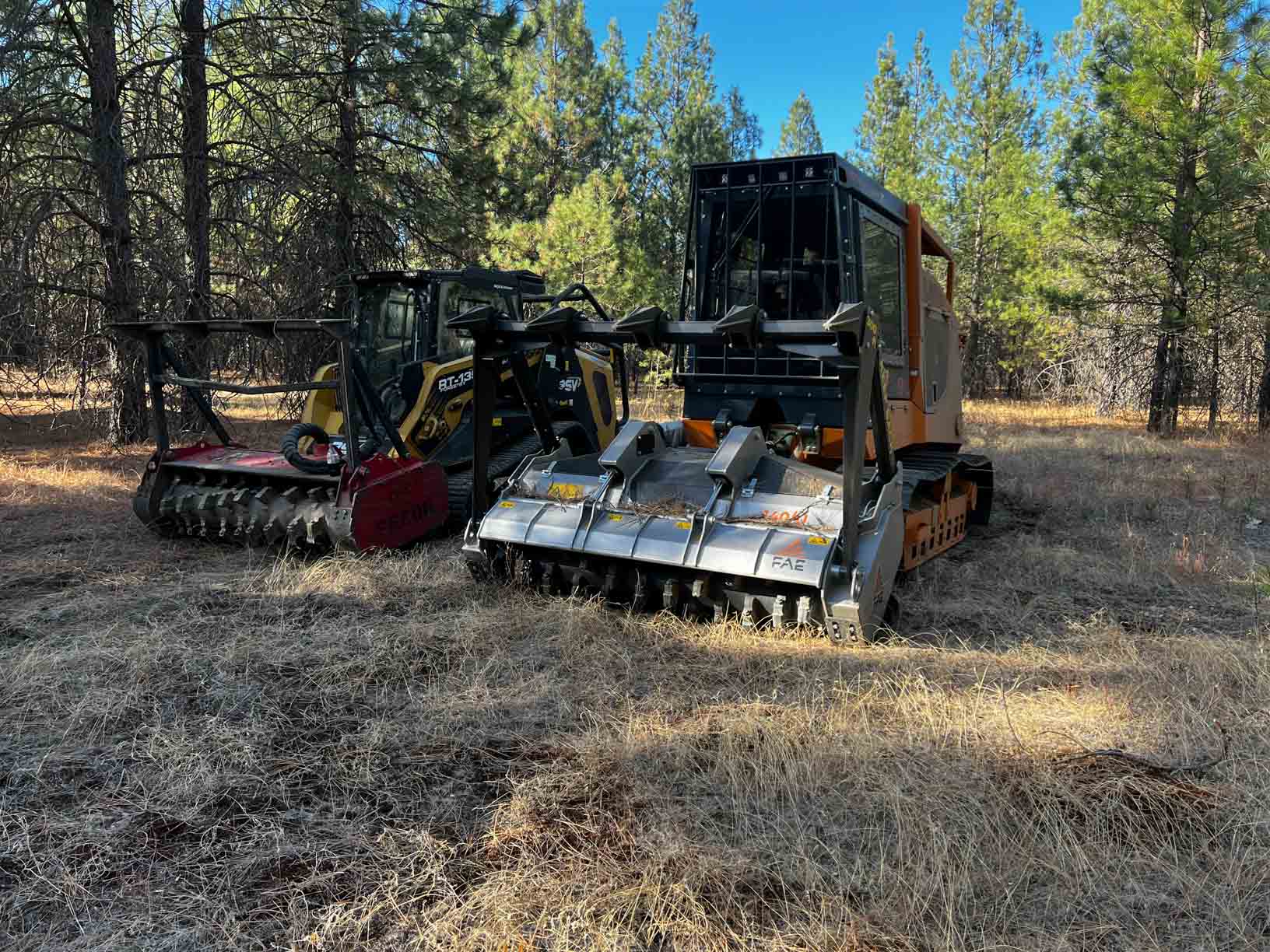
Excavation and Site Preparation Across the Pacific Northwest
Axsus Land Management provides excavation and site preparation for rural acreage, residential building sites, agricultural land and selected development projects across Washington, Idaho, Montana and Oregon.
Properties throughout the region may include steep terrain, rocky soils, wooded acreage, seasonal drainage, long private roads and limited equipment access. These conditions influence the excavation method, work sequence and expected finished result.
Review our broader land-management coverage in Washington, Idaho, Montana and Oregon.
Recent Excavation and Land Management Projects
Review examples of excavation, site preparation, access improvement, land clearing and other rural property work completed across the region.
Discuss Your Excavation and Site Preparation Project
Tell us about the property location, acreage, terrain, access, soil conditions and what the site needs to support when work is complete. We can review the property and discuss an appropriate excavation, grading or coordinated land-management approach.