Professional Forestry Mulching in Cheney, WA
Fuel Reduction and Vegetation Management in Cheney and Western Spokane County
Axsus Land Management provides professional forestry mulching services in Cheney, Washington. Properties in and around Cheney often include open pasture transitions, timbered edges and mixed brush landscapes that require consistent vegetation management to remain usable and safe.
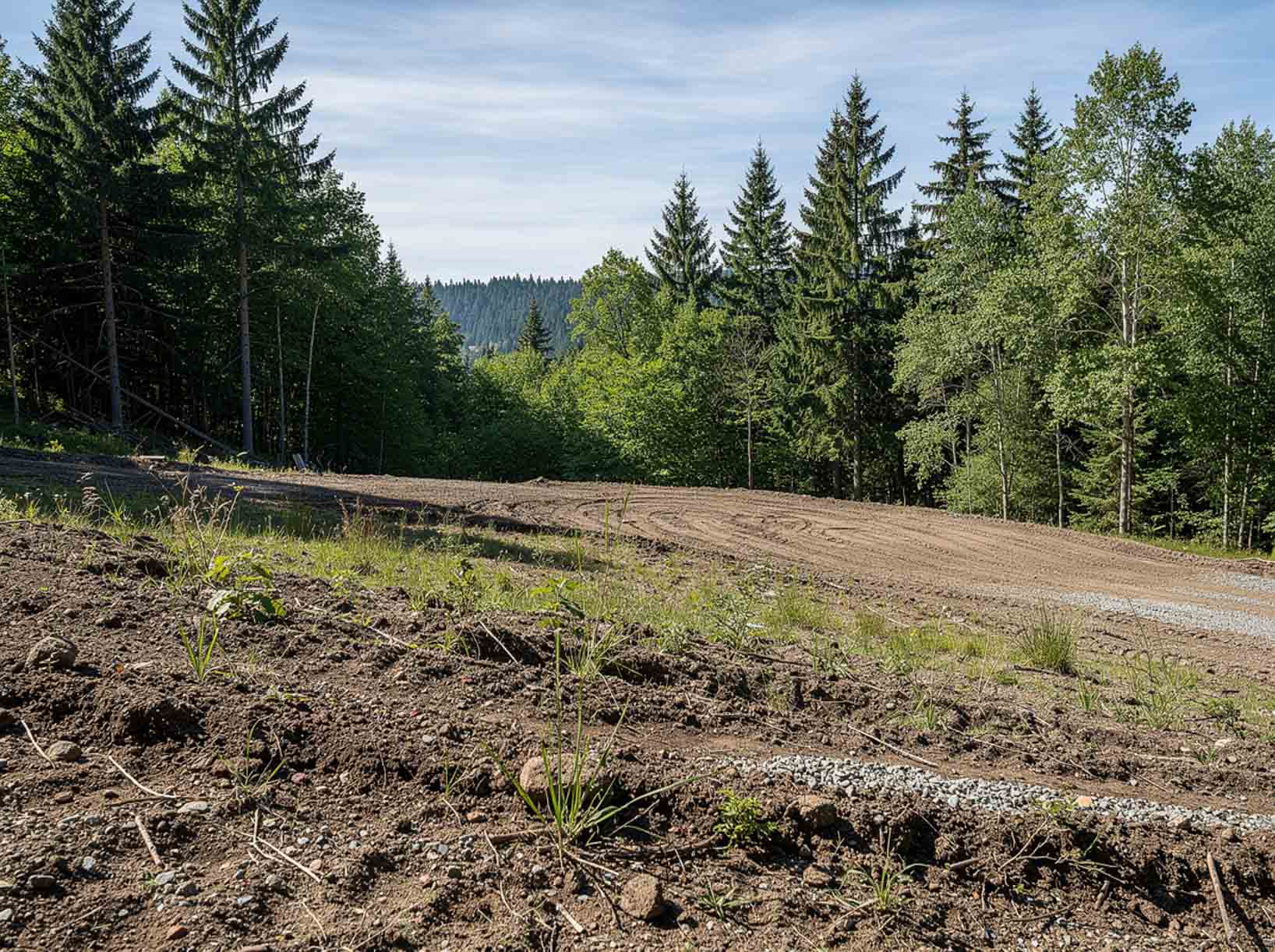
From rural residential acreage to agricultural parcels and expanding development zones near town, forestry mulching provides an efficient and environmentally responsible method of clearing unwanted vegetation while preserving soil integrity.
What Is Forestry Mulching?
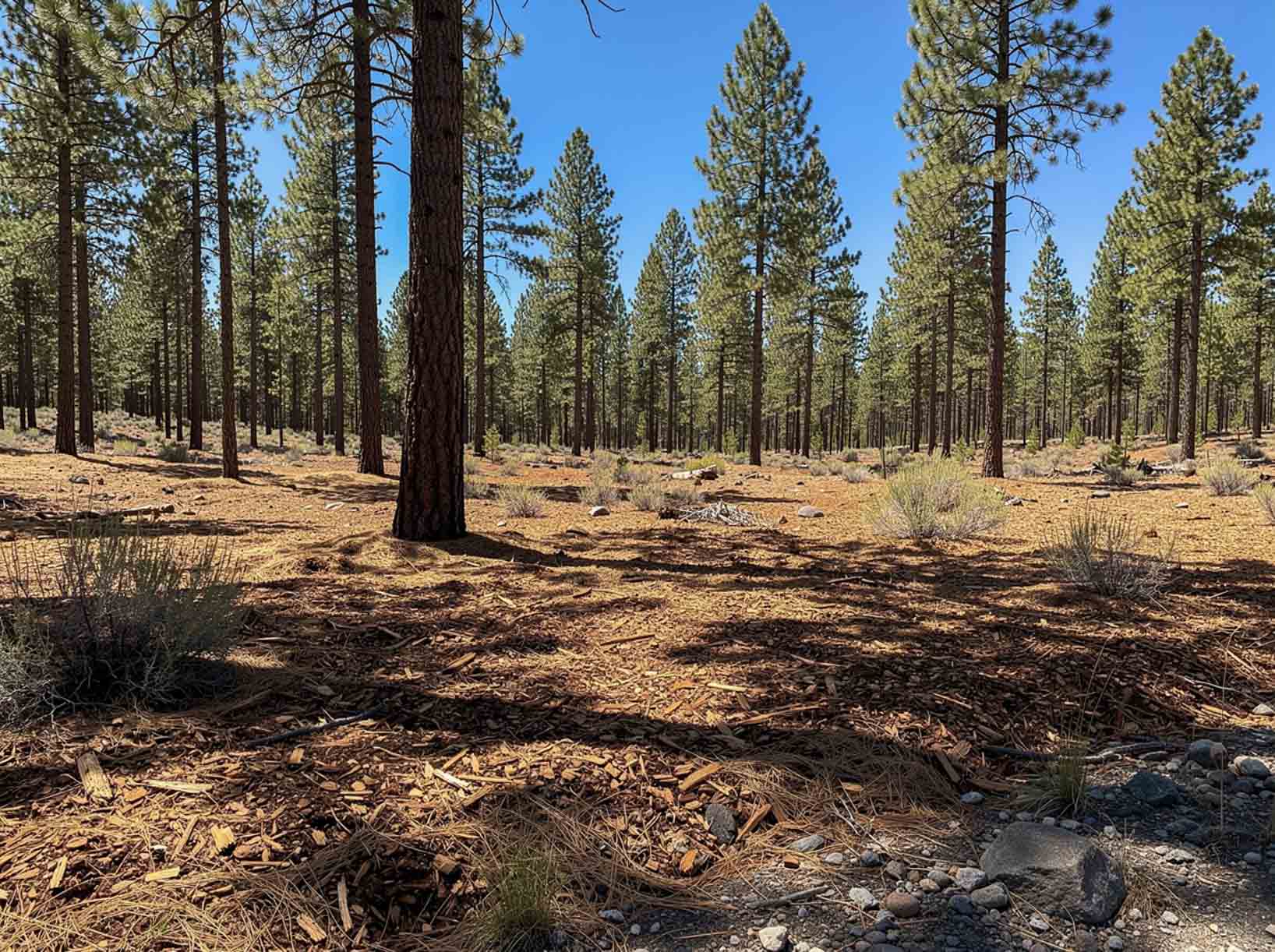
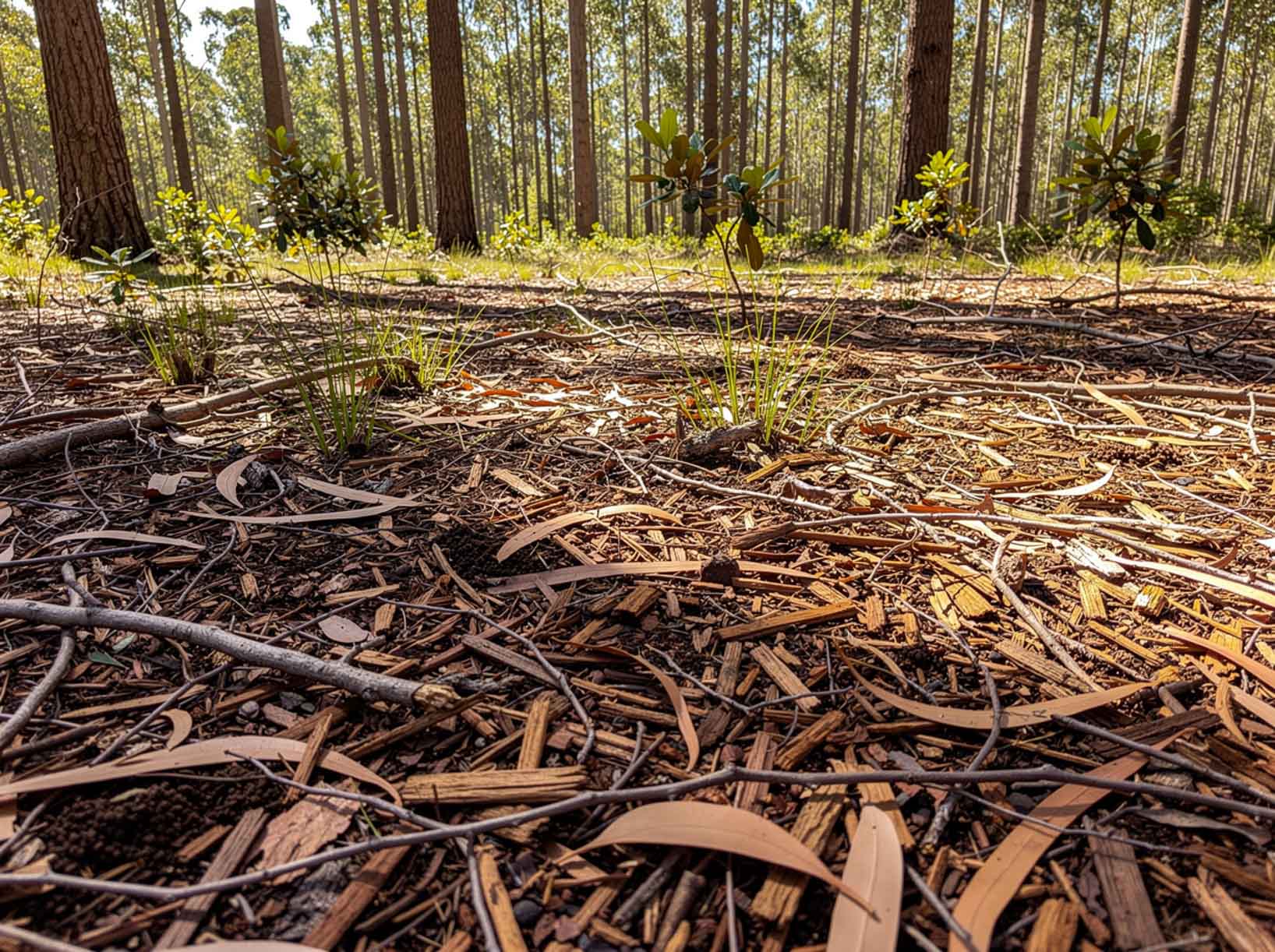
Forestry mulching uses specialized equipment to grind brush, small to mid-diameter trees and undergrowth into a protective mulch layer. Material is processed on site, eliminating the need for burning or hauling debris in most cases.
Key benefits include:
- Reduction of dense undergrowth
- Improved defensible space around homes and structures
- Minimized soil disturbance
- Erosion control on sloped terrain
- Long-term vegetation management
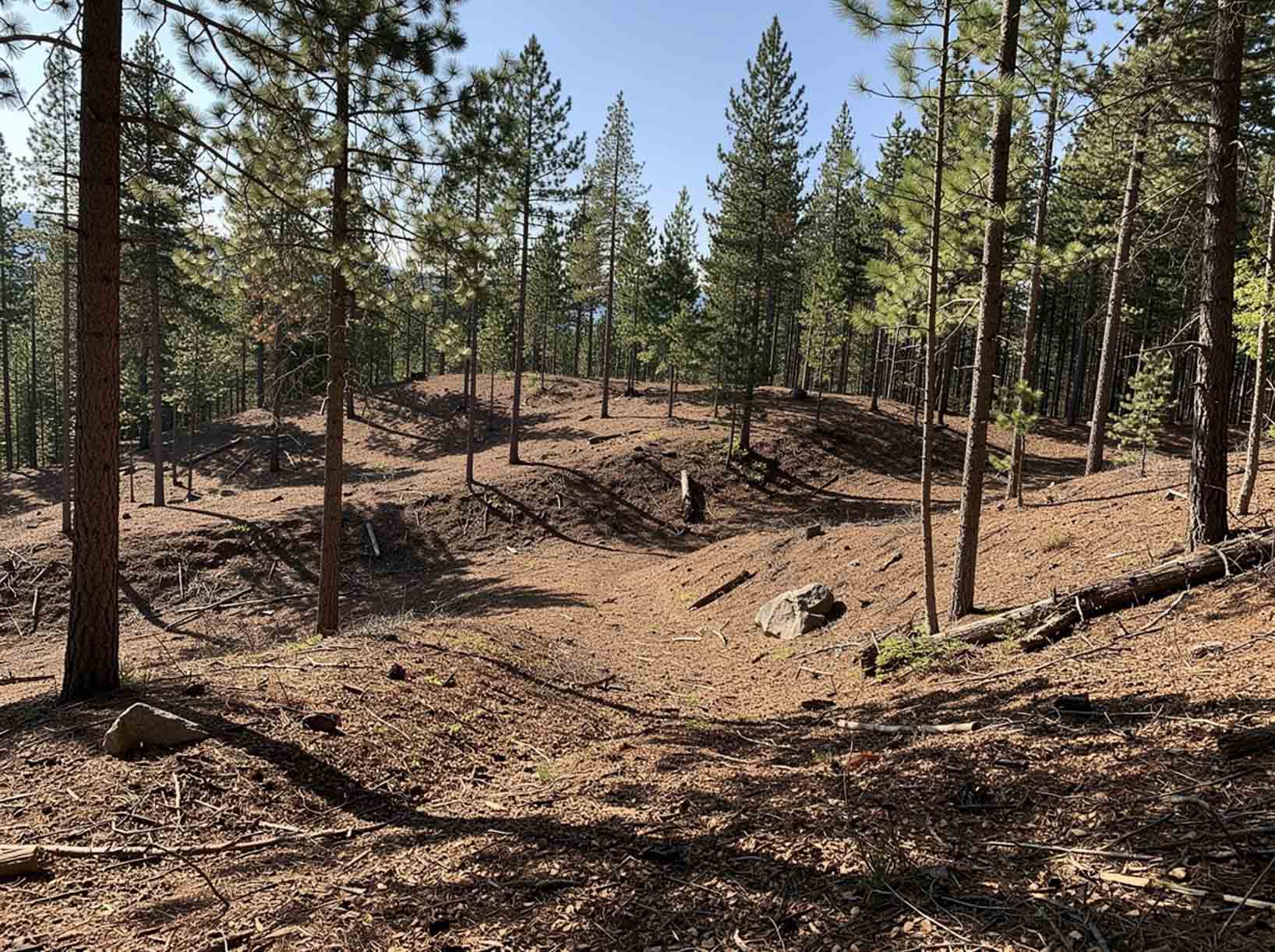
Cheney’s rolling terrain, open pasture edges and mixed vegetation make mulching a practical solution for both small and multi-acre properties.
Managing Fuel Loads in Cheney’s Rural Landscape
Western Spokane County experiences dry summer conditions that can elevate wildfire risk, especially on properties with unmanaged brush, tall grass and dense tree cover.
Forestry mulching supports wildfire mitigation efforts by:
- Removing ladder fuels that allow fire to climb into tree canopies
- Thinning overly dense vegetation
- Improving access around driveways, fence lines and structures
- Reducing fuel continuity across rural acreage
Proactive vegetation management can strengthen property safety and support long-term land resilience.
Ideal Applications for Cheney Properties
Forestry mulching is well suited for:
- Rural residential acreage maintenance
- Agricultural land transitions
- Pre-construction vegetation clearing
- Fence line and access corridor cleanup
- Brush reduction near homes, shops and outbuildings
Each project is evaluated based on terrain, vegetation density and long-term land use objectives. Equipment selection is matched to slope and access conditions to complete the work safely and efficiently.
Supporting Forest Health and Cost-Share Opportunities
Property owners in Cheney may explore Washington state-supported forest health or fuel reduction programs when planning vegetation management projects. When applicable, our team can coordinate project work with forester recommendations and approved treatment goals.
All funding language should remain general. Program availability, eligibility and reimbursement are not guaranteed.
Serving Cheney and Surrounding Communities
We serve Cheney and nearby western Spokane County communities including Medical Lake, Airway Heights, Four Lakes and rural acreage between Cheney and Spokane.
Each forestry mulching project is tailored to terrain conditions, access, vegetation type and long-term property goals.
Frequently Asked Questions About Forestry Mulching in Cheney, WA
How much does forestry mulching cost in Cheney?
Costs vary based on acreage, vegetation density, terrain and access. A site visit allows for accurate project evaluation.
Is forestry mulching suitable for agricultural land preparation?
Yes. Mulching can help reclaim overgrown pasture edges and transition land for improved agricultural use.
Can you handle multi-acre projects near Cheney?
Yes. Equipment and crew capabilities support larger acreage treatments depending on site conditions.
Does forestry mulching remove larger trees?
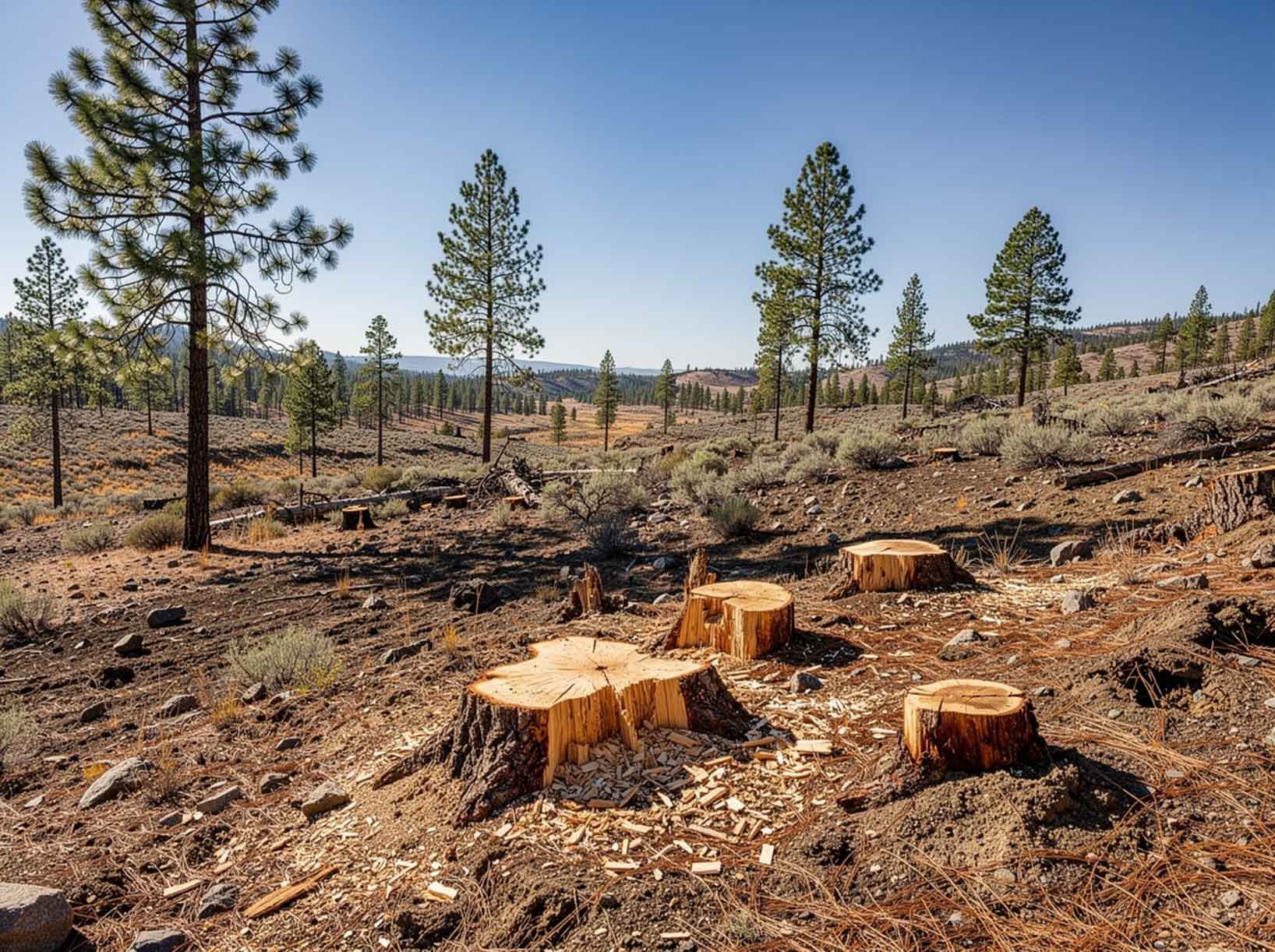
Forestry mulching primarily addresses brush and small to mid-diameter timber. Larger tree removal may be addressed through logging services when needed.
When is the best time of year for mulching in Cheney?
Spring through fall is typically the most active season, though winter projects may be possible depending on weather and ground conditions.
Forestry Mulching in Nearby Areas and Related Services