
Logging and Tree Removal Services Across Washington, Idaho, Montana and Oregon
Logging and Tree Removal for Rural Acreage and Wooded Properties
Axsus Land Management provides professional logging and tree removal services for rural acreage, wooded properties, agricultural land and development sites across Washington, Idaho, Montana and Oregon. We help landowners manage larger timber, remove selected trees, improve access and prepare property for its next practical use.
Projects may include selective timber thinning, removal of damaged or hazardous trees, clearing timber around structures, opening access corridors or separating larger trees before broader vegetation removal begins. Every property is evaluated according to tree size, stand density, terrain, slope, access, nearby structures and the landowner’s long-term goals.
Logging and tree removal may be one phase of a larger land-management project. After larger timber is handled, the property may also require forestry mulching, land clearing or excavation and site preparation.
Property owners comparing treatment options can review our guide on how to choose the right land clearing method.
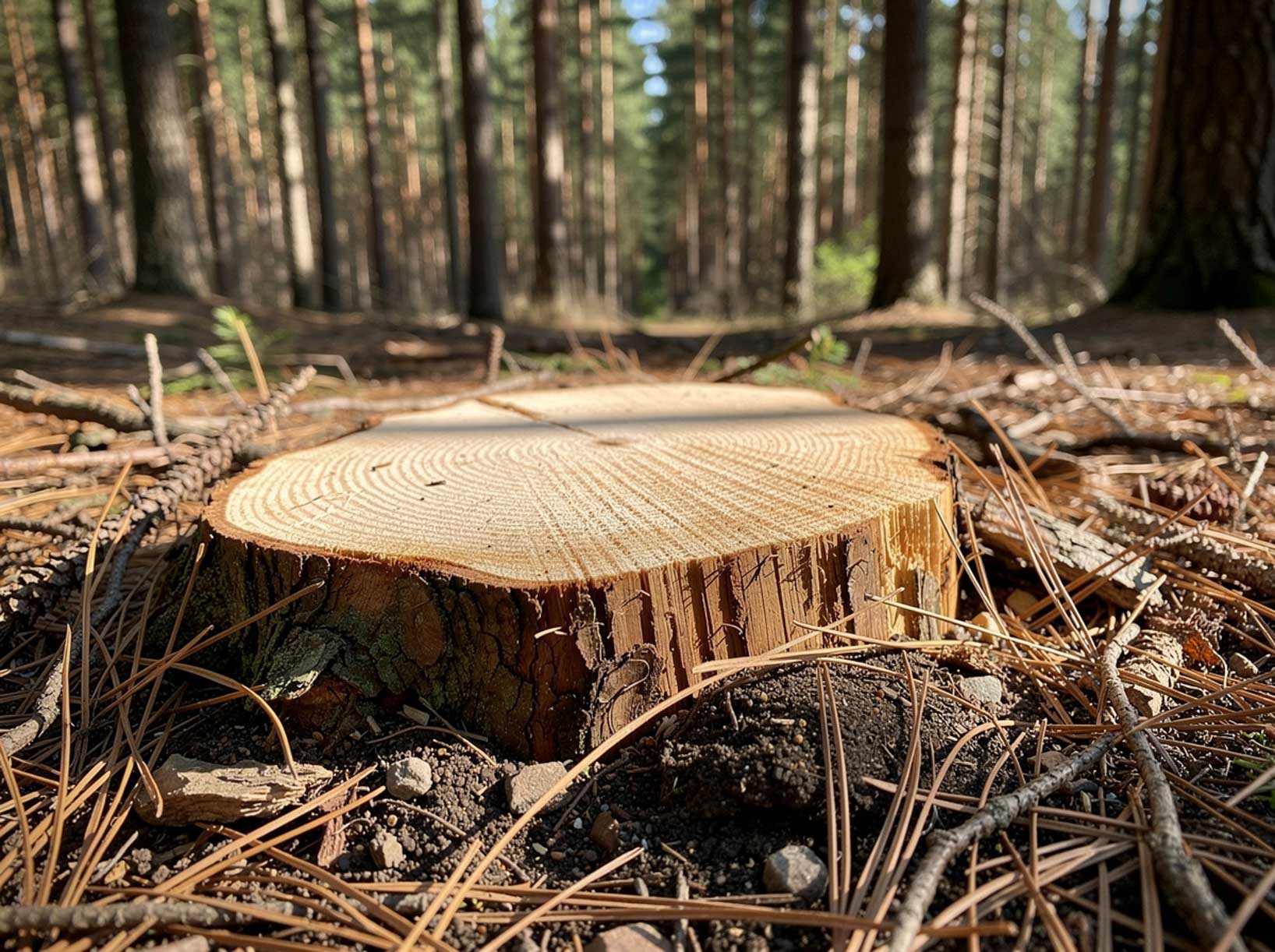
Selective Logging, Timber Thinning and Tree Removal
Not every wooded property requires complete timber removal. The appropriate approach depends on which trees should remain, the condition of the stand, access limitations and what the landowner wants to accomplish after the work is complete.
Logging and tree-removal projects may include:
- Selective removal of designated trees
- Thinning overcrowded timber stands
- Removal of damaged, declining or hazardous trees
- Clearing timber around homes, shops and outbuildings
- Opening private roads, driveways and equipment corridors
- Separating larger timber before land clearing
- Preparing selected areas for utilities or construction
- Improving access to wooded acreage
Selective logging may be appropriate when landowners want to retain healthy trees while reducing stand density or removing problem timber. More extensive removal may be needed where development, roads, utilities or agricultural conversion will substantially change the property.
Tree condition and safety cannot always be determined from appearance alone. Where individual trees may present a structural or technical hazard, additional evaluation by a qualified tree professional may be appropriate before removal begins.
How We Evaluate a Logging and Tree Removal Property
Logging methods and equipment access should be matched to the actual conditions of the property rather than applying the same removal plan to every site.
Important site factors include:
- Tree species, size and stand density
- Terrain and slope
- Soil, rock and seasonal ground conditions
- Road width, turning space and equipment access
- Homes, outbuildings, fences and utilities
- Property boundaries and treatment limits
- Which trees should remain
- How logs, limbs, slash and smaller vegetation will be handled
- The intended use of the property after removal
Some properties can be treated in one phase, while others require a coordinated sequence. Larger timber may be removed first, followed by treatment of brush, smaller trees, slash or stumps depending on the desired finished condition.
The initial evaluation should also determine whether timber has a practical destination, whether material will remain on site and what additional work will be needed after tree removal.
Logging for Access, Development and Forest Management
Logging and tree removal may support several different property goals. Some projects focus on opening roads or preparing selected areas for construction. Others are intended to reduce overcrowding, remove damaged trees or support longer-term management of wooded acreage.
Removing trees does not automatically create a construction-ready site. Stumps, roots, brush, grading, drainage and soil preparation may still need to be addressed after the timber is removed.
Where wildfire resilience is part of the goal, tree removal should be coordinated with a broader wildfire mitigation plan rather than relying on broad clearing alone. The objective may include improving tree spacing, reducing ladder fuels and creating better access while retaining healthy trees.
Learn more about how vegetation treatment can support wildfire prevention and forest health when it is applied selectively and with clear management goals.
Planning for Logs, Limbs, Slash and Stumps
A complete tree-removal plan should address what happens to the material after trees are cut. The appropriate method depends on tree size, timber condition, access, project economics and the property owner’s intended use of the site.
Material may be:
- Separated into sawlogs, firewood or other usable material
- Decked or consolidated in an accessible area
- Processed into smaller material on site
- Removed where access and project scope allow
- Handled as part of a forestry or agency-approved treatment plan
Stumps are not automatically removed as part of logging. Where the property is being prepared for roads, pads, utilities or construction, stump removal and additional site preparation should be included in the project plan.
Timber value should not be assumed to cover the cost of removal. Species, size, quality, volume, access, hauling distance and current market conditions all affect whether harvested material has commercial value.
Frequently Asked Questions About Logging and Tree Removal
What is the difference between logging and tree removal?
Logging generally involves removing or thinning multiple trees across acreage, while tree removal may focus on individual trees or selected areas near structures, roads or future improvements. The correct approach depends on the number and size of trees, access and the landowner’s goals.
Do you offer selective logging?
Yes. Selective logging can remove designated trees while retaining healthy or desirable portions of the stand. The treatment area and trees to remain should be identified before work begins.
Can logging improve forest health?
Selective thinning may reduce overcrowding and competition within a timber stand, but results depend on tree species, stand condition and the treatment plan. Forest-health objectives may benefit from input from a forester or other qualified professional.
Do you remove large-diameter trees?
Some larger timber can be handled depending on species, diameter, terrain, access, surrounding structures and available working space. A site evaluation is required before confirming the appropriate removal method.
Do you remove hazardous trees near homes or buildings?
Some trees near structures can be evaluated for removal, but trees with significant lean, decay, storm damage, utility conflicts or limited rigging space may require a specialized arborist or technical tree-removal company.
Is logging disruptive to the property?
Tree removal requires equipment movement and material handling, so some disturbance should be expected. The amount of impact depends on slope, soil conditions, access, treatment intensity and how logs and slash are handled.
Can logging prepare land for development?
Logging can remove larger timber before development, but it does not usually produce a construction-ready surface. Stumps, roots, brush, grading, drainage and excavation may require additional work.
What happens to the logs and slash?
Logs may be separated, decked, processed or removed depending on their condition, volume, access and project scope. Limbs, slash and smaller vegetation may be consolidated, mulched or otherwise handled according to the agreed treatment plan.
Will the timber value pay for the project?
Not necessarily. Timber value depends on species, size, quality, volume, access, hauling distance and current markets. Property owners should not assume that harvested material will offset the full cost of removal.
Do you work on rural acreage projects?
Yes. Axsus Land Management focuses on rural acreage, wooded properties, agricultural land and selected development sites. Terrain, timber density, access and overall project scale are reviewed before work is scheduled.
Are financial-assistance programs available for thinning or fuel-reduction work?
Some private forest landowners may qualify for state or regional assistance programs, but eligibility, approved treatments and available funding vary. Landowners should contact the administering agency before beginning work or relying on reimbursement.
Featured Logging and Tree Removal Service Areas
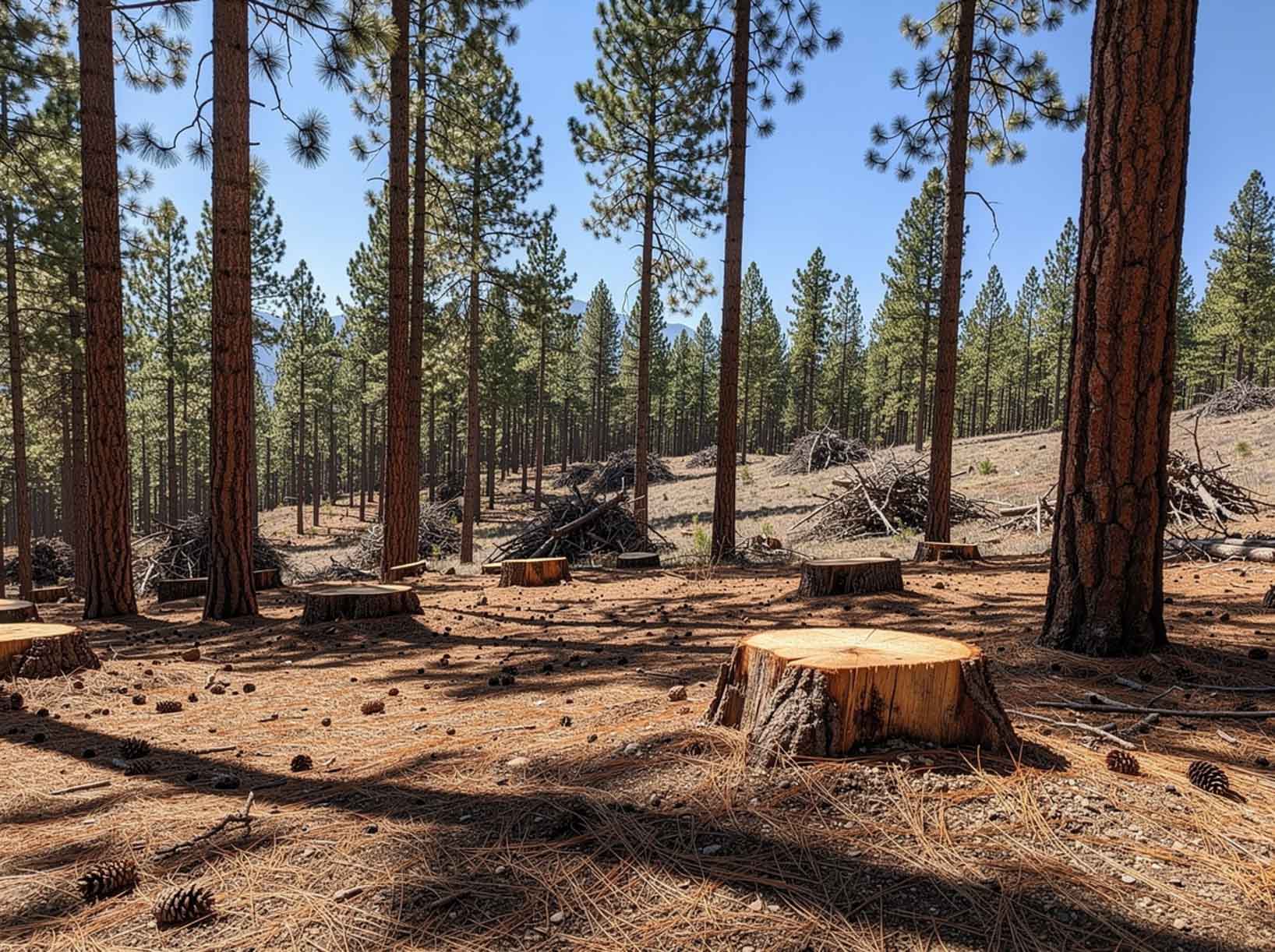
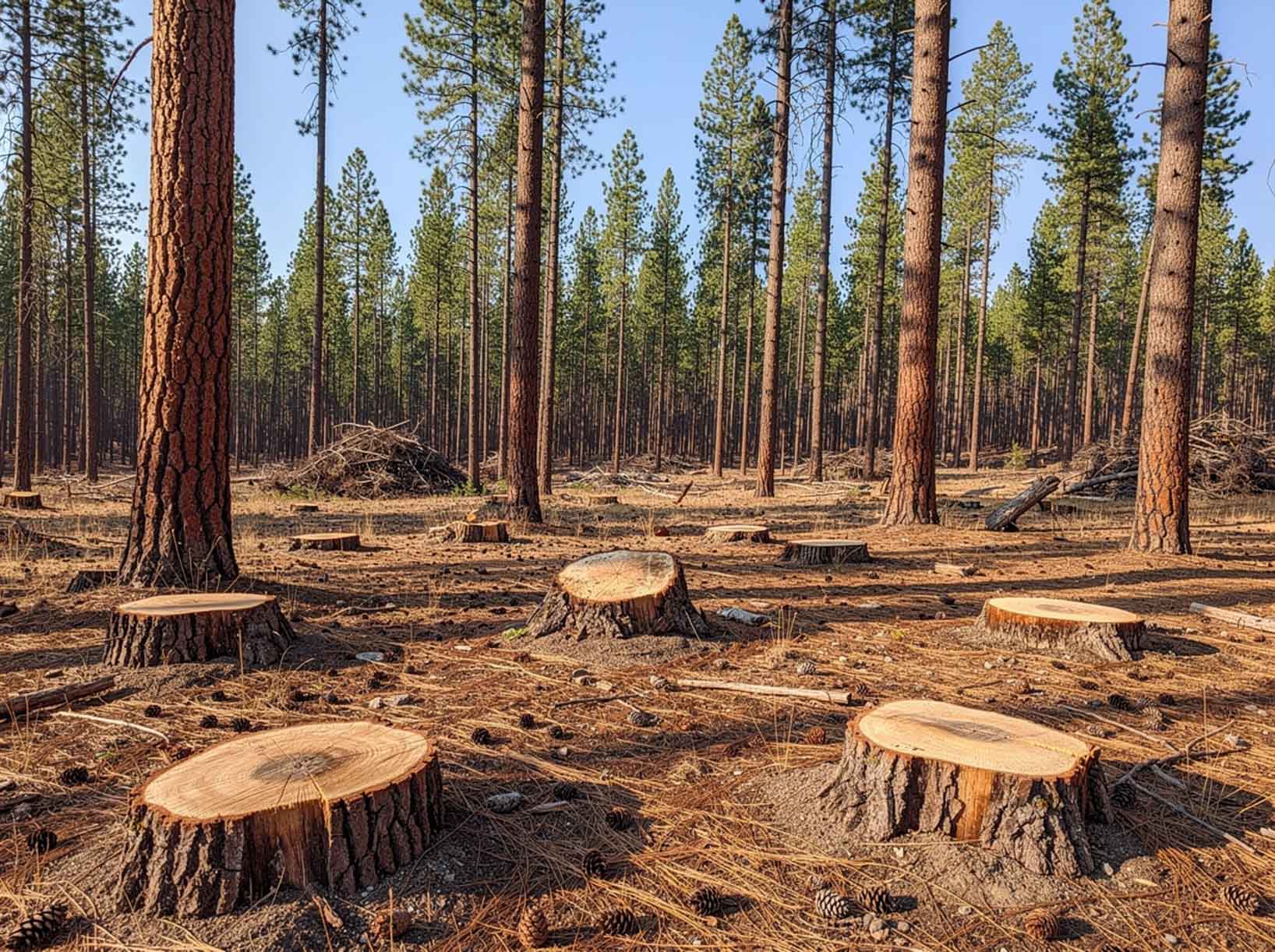
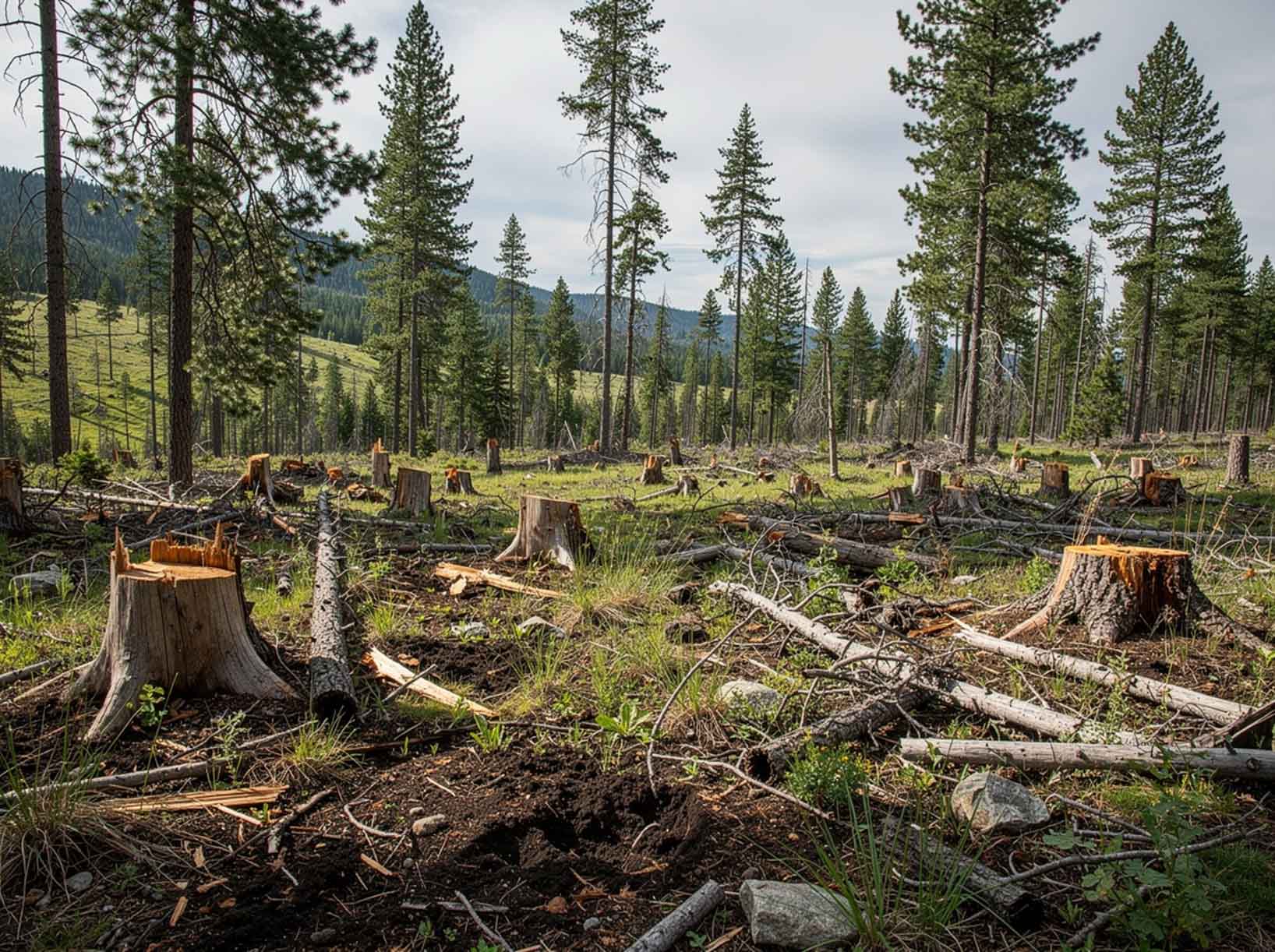
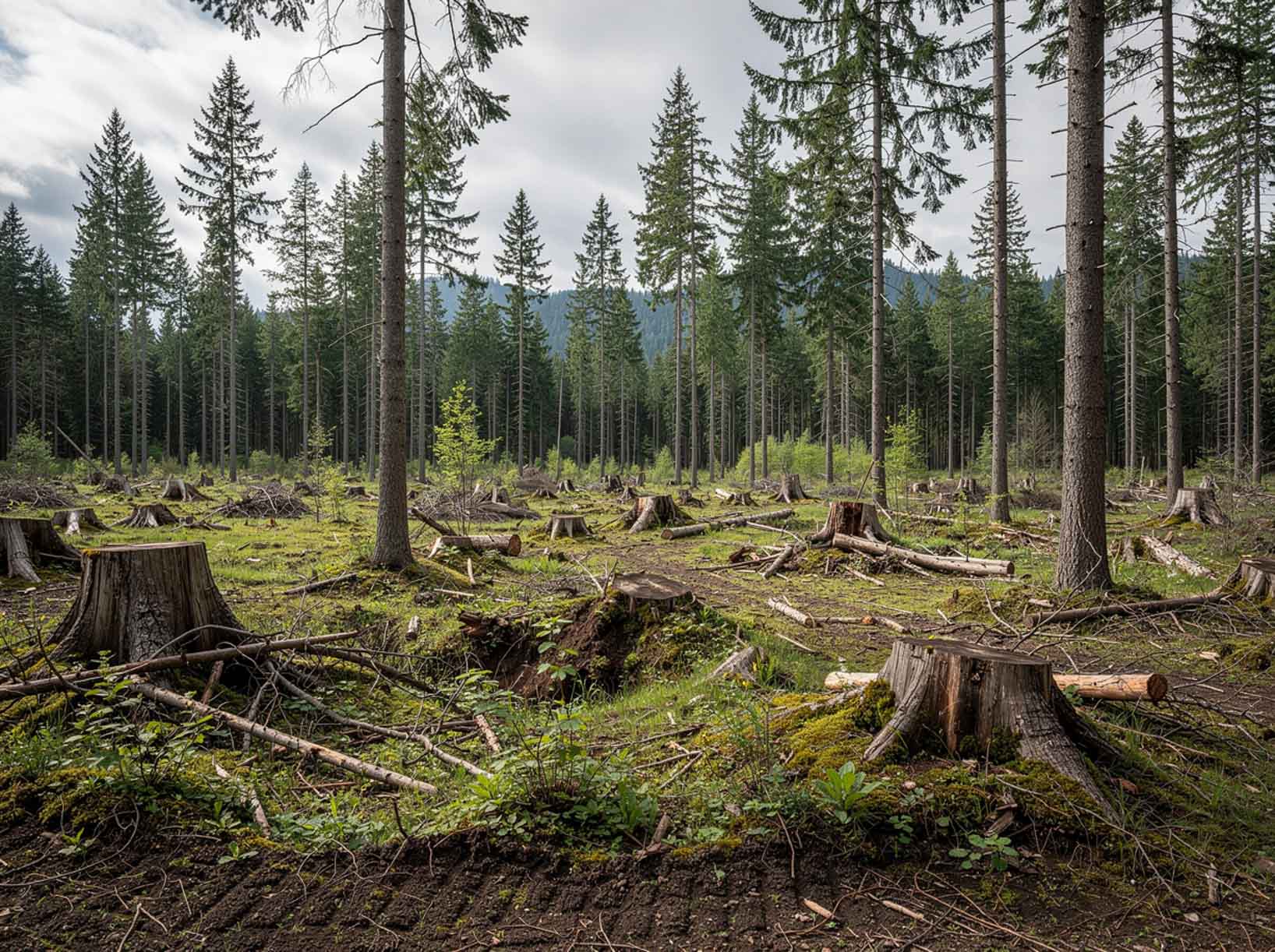
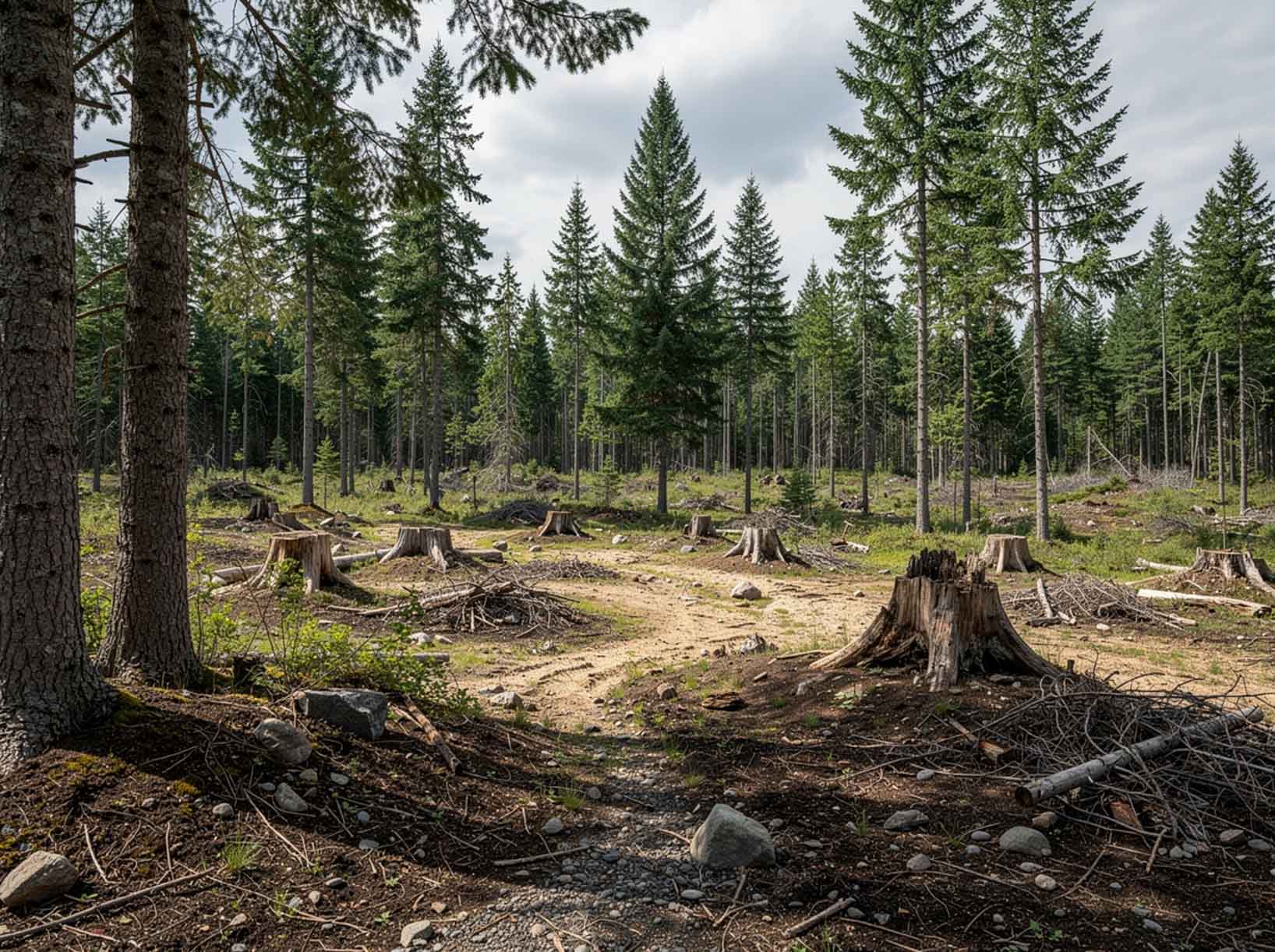
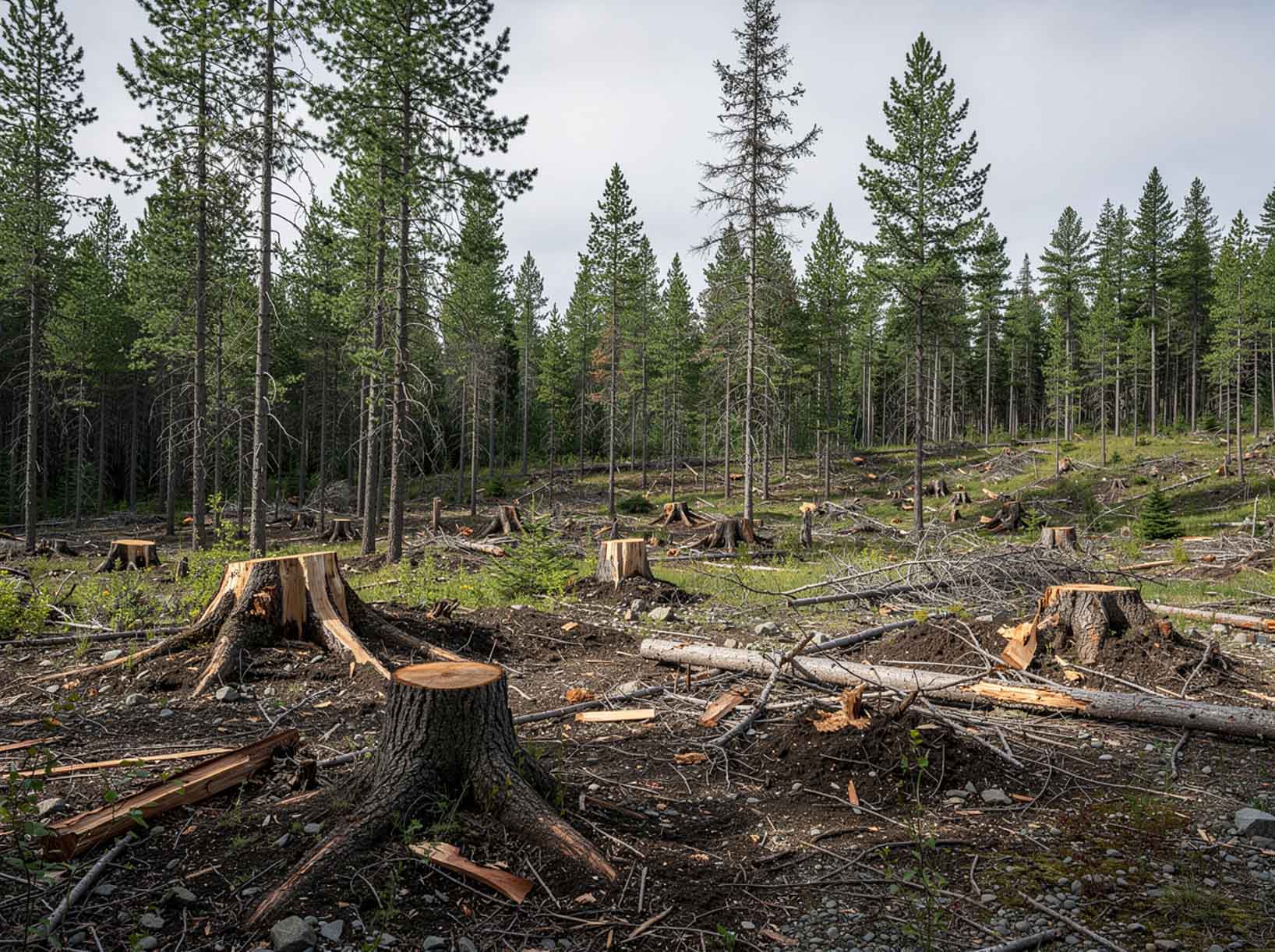
Logging and Tree Removal Service Areas Across the Pacific Northwest
Axsus Land Management provides logging, timber thinning and tree removal for rural acreage, wooded residential properties, agricultural land and selected development projects across Washington, Idaho, Montana and Oregon. Projects may involve selective timber removal, hazard-tree removal, forest stand improvement, access clearing, fuel reduction or land preparation depending on the property and long-term land-management goals.
Washington Logging and Tree Removal
Spokane, Spokane Valley, Colville, and Newport.
Idaho Logging and Tree Removal
Coeur d’Alene, Sandpoint, and Moscow.
Montana Logging and Tree Removal
We also provide broader land-management services throughout Washington, Idaho, Montana and Oregon. Project availability and the appropriate removal method depend on acreage, timber size and density, terrain, access, material handling and overall scope.
Logging and Land Management Resources
Learn more about choosing the right vegetation-management approach and planning clearing, timber removal or forest-health work for rural acreage.
Recent Logging and Land Management Projects
Review examples of completed logging, tree removal, forestry mulching, land clearing and wildfire-mitigation work across the region.
Discuss Your Logging and Tree Removal Project
Tell us about the property location, acreage, timber size, stand density, terrain, access and what you want the land to be used for afterward. We can review the site and determine whether selective logging, tree removal or a coordinated land-management approach is appropriate.