Professional Wildfire Mitigation in Coeur d’Alene, ID
Defensible Space and Wildfire Risk Management in Coeur d’Alene and Kootenai County
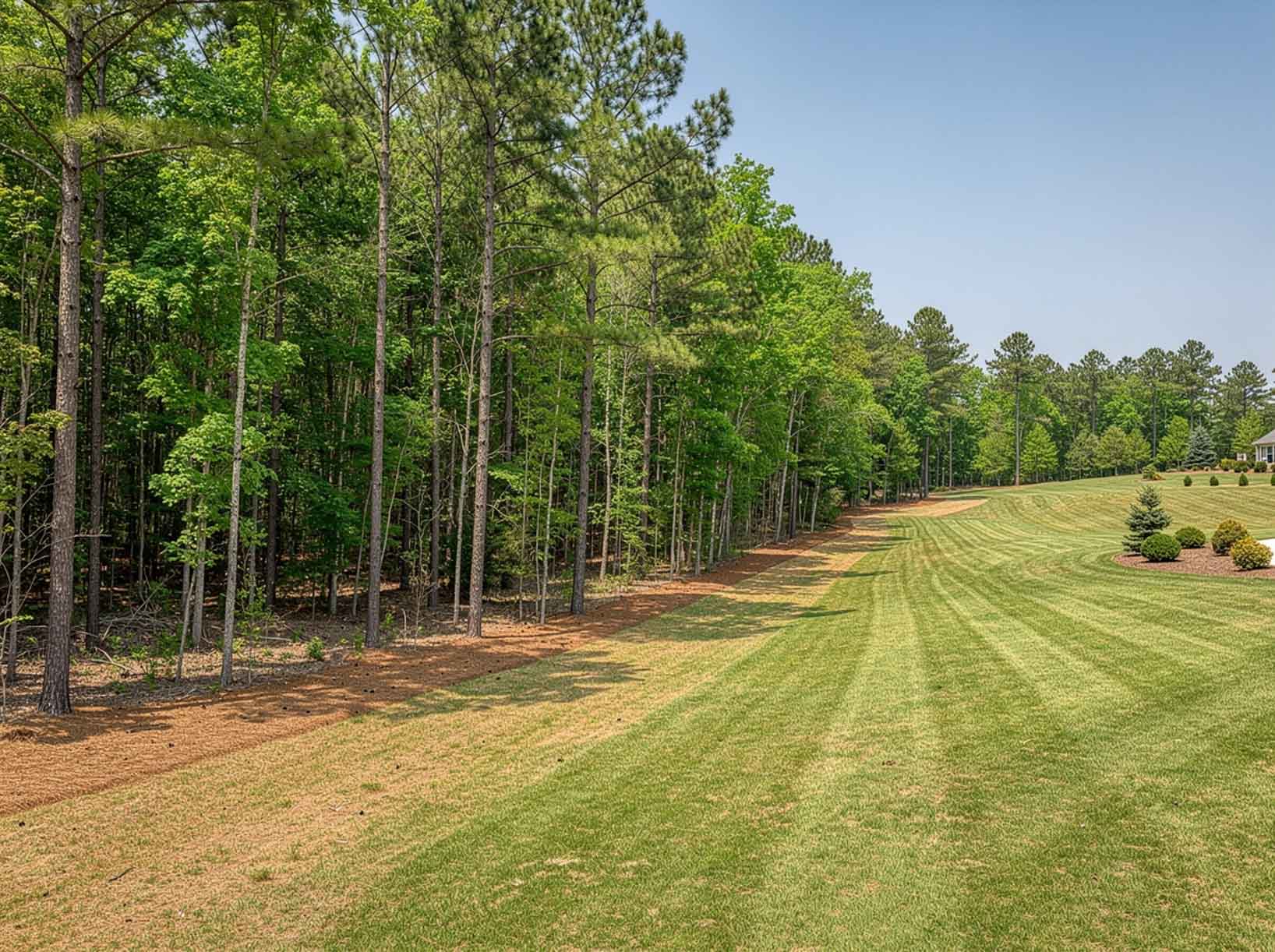
Professional wildfire mitigation services help Coeur d’Alene and Kootenai County property owners reduce hazardous vegetation, improve defensible space and manage fuel loads across wooded residential and multi-acre properties. North Idaho properties often contain dense conifer stands, brush, ladder fuels, dead vegetation and limited access that can increase wildfire exposure around homes, outbuildings and private roads.
Each property is evaluated according to terrain, vegetation density, tree spacing, structure location and equipment access. The goal is not to remove all vegetation, but to create a more manageable landscape through defensible space, selective thinning and targeted fuel reduction.
What Is Wildfire Mitigation?
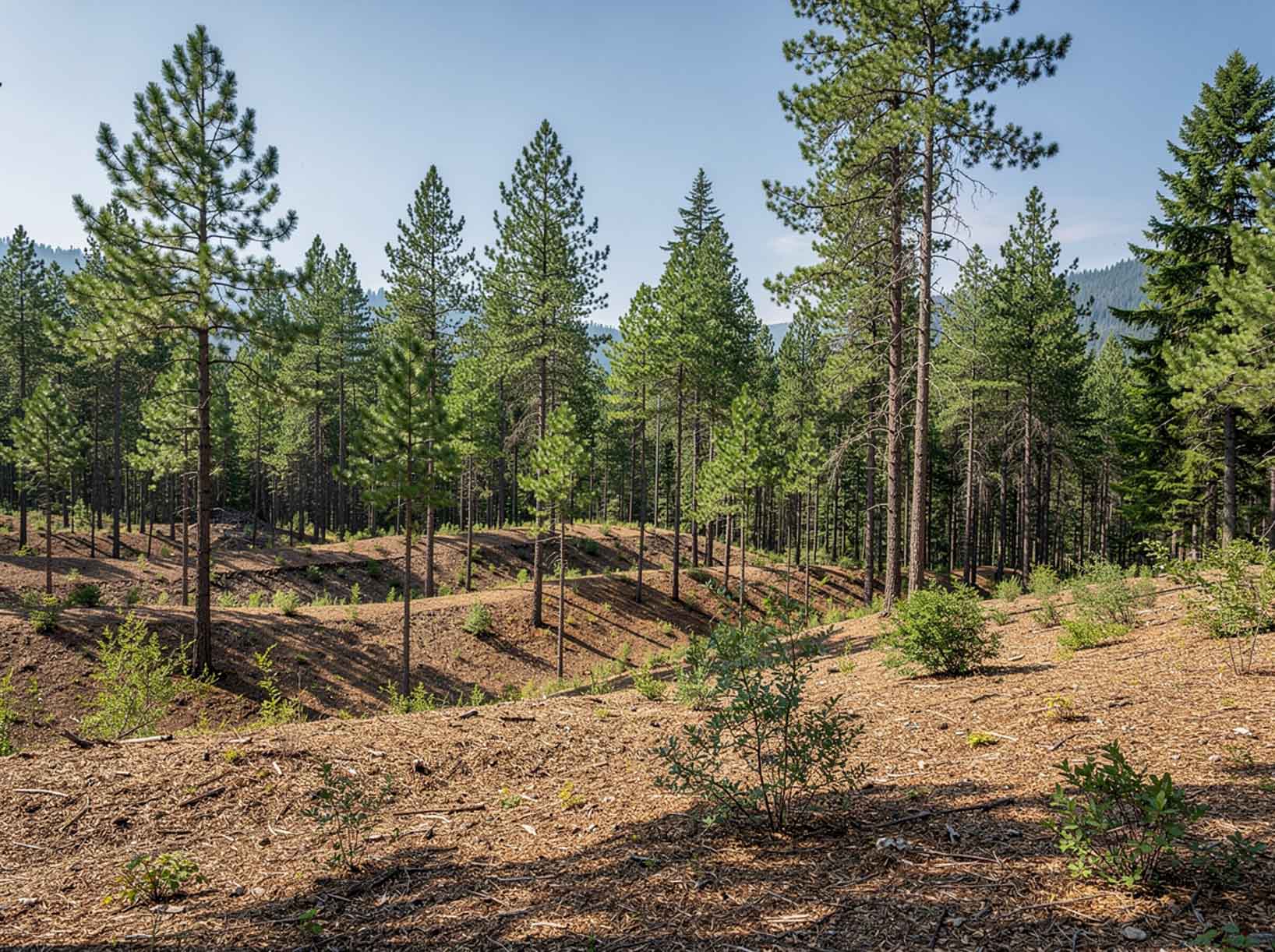
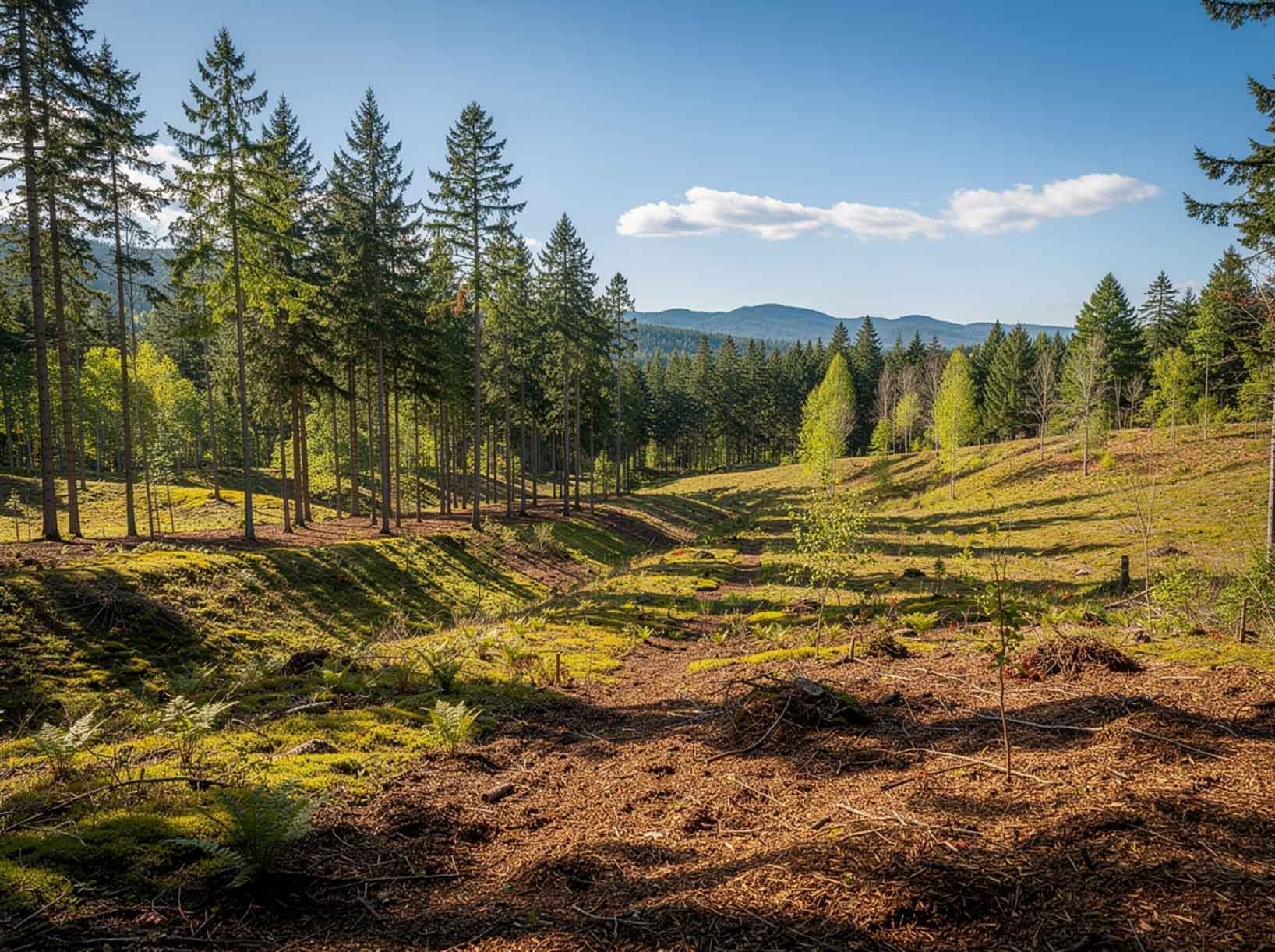
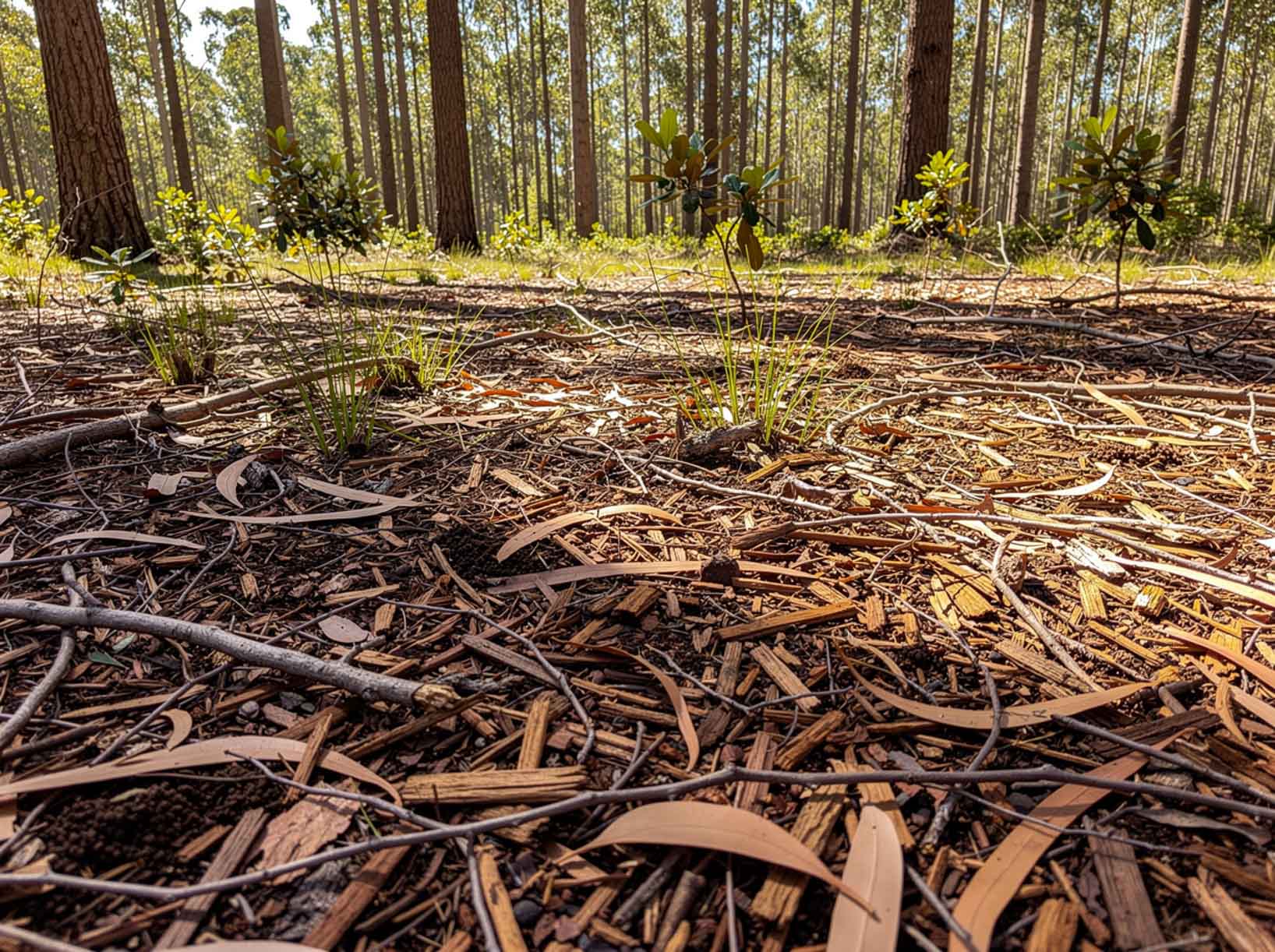
Wildfire mitigation reduces combustible vegetation and improves spacing between trees, brush and structures. Unlike complete land clearing, mitigation uses selective treatment to reduce fuel continuity while retaining desirable trees and protecting the natural character of the property where practical.
Wildfire mitigation work may include:
- Creating defensible space around homes and outbuildings
- Removing ladder fuels beneath tree canopies
- Thinning overcrowded forest stands
- Reducing dense brush and understory vegetation
- Managing slash and accumulated woody material
- Improving access along private roads and driveways
- Separating vegetation from propane tanks, sheds and other improvements
The appropriate treatment depends on slope, vegetation type, timber density, structure placement and the property owner’s goals.
Defensible Space Around Homes and Structures
Defensible space is the managed area surrounding a home, shop, barn or other structure. It is intended to reduce direct contact with combustible vegetation and provide a more workable area for property maintenance and emergency response.
Treatment may involve removing dead vegetation, reducing brush, pruning lower limbs, increasing spacing between trees and managing combustible material near buildings. Work should also account for decks, fences, propane tanks, sheds, utility areas and other improvements located near wooded portions of the property.
Wildfire mitigation cannot eliminate wildfire risk, but it can reduce avoidable fuel concentrations and improve conditions around structures.
Ladder-Fuel Reduction
Ladder fuels are smaller trees, shrubs, branches and other vegetation that can carry fire from the ground into larger tree canopies. Dense ladder fuels are common on untreated forested acreage and around rural residential properties throughout Kootenai County.
Reducing ladder fuels may include:
- Removing dense shrubs beneath mature trees
- Cutting small suppressed or declining trees
- Pruning lower branches where appropriate
- Separating brush from larger tree canopies
- Managing accumulated dead limbs and woody debris
Forestry mulching in Coeur d’Alene may be used to reduce dense brush, smaller trees and understory vegetation where terrain, material size and equipment access allow.
Selective Forest Thinning
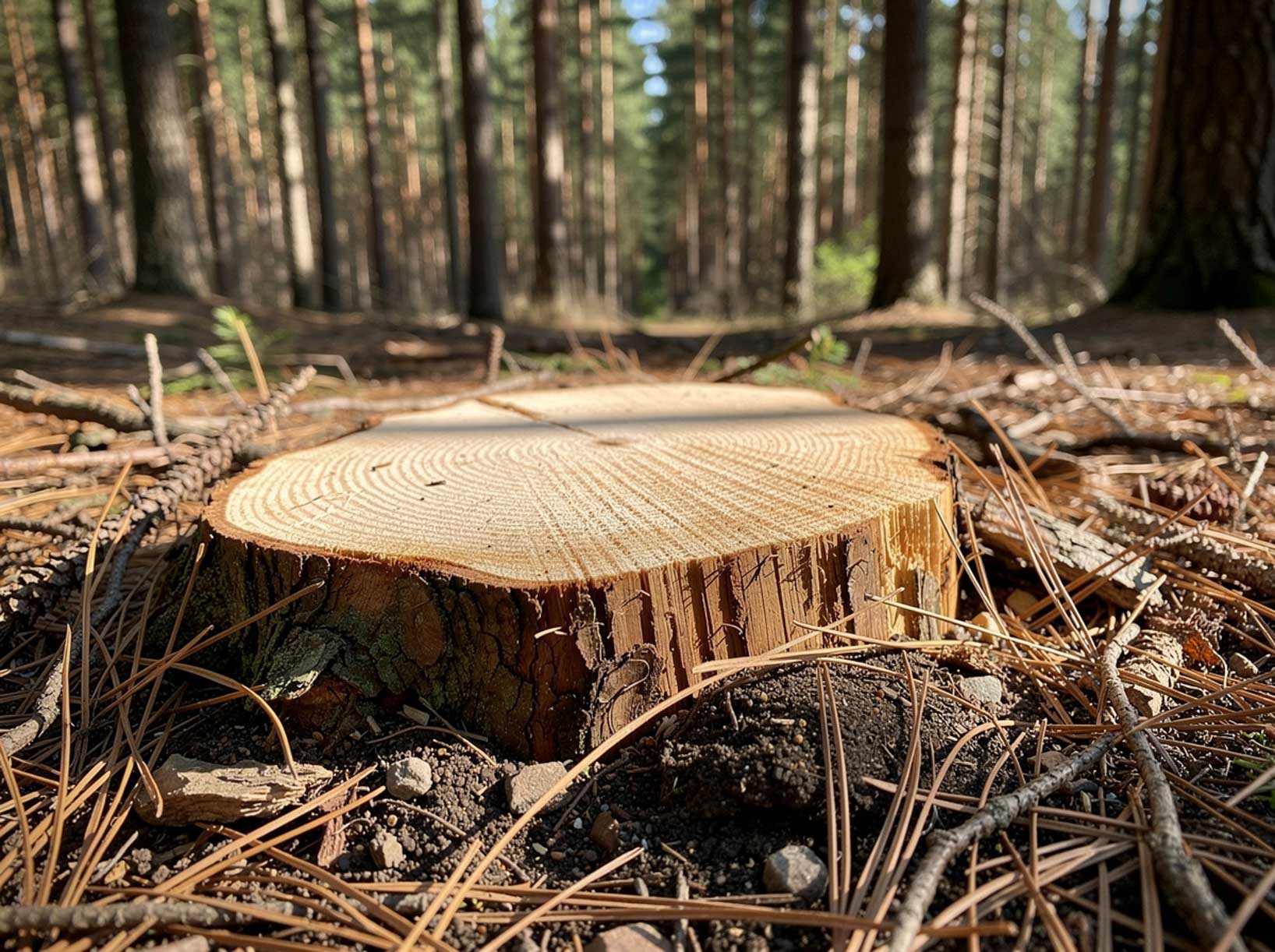
Overcrowded forest stands can create continuous fuels, restrict access and increase competition between trees. Selective thinning removes specific trees to improve spacing while retaining healthier or more desirable timber where practical.
Properties with mature timber or substantial thinning needs may require logging and tree removal in Coeur d’Alene as part of the overall wildfire-mitigation plan.
The amount of thinning should be based on tree size, species, condition, terrain and long-term forest-management goals rather than applying the same spacing to every property.
Brush and Understory Vegetation Management
Dense brush and understory vegetation can create continuous ground-level fuels and make wooded acreage difficult to access or maintain. Targeted vegetation management can reduce this material while retaining selected trees and natural screening where practical.
Brush-reduction work may include:
- Removing thick shrubs and saplings
- Opening overgrown areas around structures
- Reducing vegetation along driveways and access roads
- Improving visibility across wooded acreage
- Separating lower vegetation from larger trees
- Reclaiming areas that have become difficult to maintain
The treatment area should be based on the actual wildfire concerns and intended use of the property rather than removing vegetation without a defined plan.
Fuel Reduction Along Roads and Driveways
Private roads and long rural driveways may be bordered by brush, low branches, leaning trees and dense vegetation. These conditions can restrict visibility, reduce usable road width and complicate access during an emergency.
Roadside fuel-reduction work may include:
- Removing encroaching brush
- Pruning low limbs
- Removing hazard trees near travel corridors
- Widening narrow access routes
- Clearing vegetation around gates and entrances
- Creating equipment access into forested acreage
The appropriate treatment depends on road width, slope, surrounding timber, drainage and property boundaries.
Managing Slash and Woody Debris
Cutting trees and brush can leave branches, logs, slash and woody debris that require additional management. Material may be chipped, mulched, stacked, processed, removed or retained in designated areas depending on the project scope and site conditions.
Slash handling should be planned before work begins. Simply cutting vegetation without deciding how the remaining material will be managed may leave concentrated fuel on the property.
Wildfire Mitigation on Sloped Terrain
Properties around Coeur d’Alene may include steep hillsides, rocky ground, seasonal moisture and restricted equipment access. These conditions influence which areas can be treated and what type of equipment can be used safely.
A site evaluation is needed to determine whether vegetation can be treated mechanically, by hand or through a combination of methods. Some slopes may require more limited treatment because of soil stability, access or safety concerns.
Wildfire Mitigation Versus Land Clearing
Wildfire mitigation selectively reduces hazardous vegetation while retaining desirable trees and much of the natural landscape. Projects requiring complete vegetation removal for construction, roads, utilities, homesites or other development may instead need land clearing in Coeur d’Alene.
Some properties require both approaches. A project may begin with broader clearing around a future homesite or access road and then use selective fuel reduction throughout surrounding forested areas.
Forestry Mulching Versus Logging
Forestry mulching is generally best suited for brush, saplings, understory vegetation and smaller trees. Logging and tree removal are more appropriate for mature timber, larger hazard trees and substantial forest-thinning needs.
Many wildfire-mitigation projects use both methods. Larger trees may be removed first, followed by forestry mulching or additional vegetation management to reduce lower fuels and improve access across the property.
Idaho Forest Health and Cost-Share Programs
Some Kootenai County landowners may qualify for forest-health, fuel-reduction or wildfire-mitigation assistance programs. Eligibility, treatment requirements, approval and reimbursement vary by program.
Property owners researching assistance can review the Idaho IDL Cost-Share Program and speak with the appropriate agency or forestry representative before beginning work. Funding should not be assumed until the property and proposed treatment have been reviewed through the applicable program.
Serving Coeur d’Alene and Kootenai County
Wildfire mitigation services are available throughout Coeur d’Alene and surrounding communities, including Post Falls, Hayden, Rathdrum, Dalton Gardens, Fernan Lake Village and rural Kootenai County properties.
Larger projects elsewhere in North Idaho may also be considered based on acreage, terrain, vegetation density, access, travel requirements and overall project scope.
Every project begins with an evaluation of the property so the treatment plan can be matched to the actual vegetation, terrain, structures and land-management goals.
Frequently Asked Questions About Wildfire Mitigation in Coeur d’Alene, ID
Why is wildfire mitigation important in Kootenai County?
Dense forest growth and seasonal dry conditions increase wildfire exposure, making proactive fuel management essential.
How much does wildfire mitigation cost in Coeur d’Alene?
Costs vary based on acreage, vegetation density, terrain and access. A site evaluation provides accurate estimates.
Does forest thinning reduce wildfire risk?
Yes. Thinning improves tree spacing and reduces fuel continuity.
Is defensible space recommended for lake-area homes?
Yes. Defensible space improves fire resilience for properties near wooded areas.
Can mitigation be performed on sloped terrain?
Projects are evaluated for slope and access to ensure safe and effective treatment.
Ready to Begin Your Wildfire Mitigation Project in Coeur d’Alene, ID?
If you are planning wildfire mitigation or defensible space work in Coeur d’Alene or surrounding Kootenai County communities, contact Axsus Land Management to schedule a site evaluation.
Wildfire Mitigation Services and Nearby Areas