Montana DNRC Cost-Share Program for Forest Landowners
Financial Assistance for Forest Health and Wildfire Risk Reduction
The Montana Department of Natural Resources and Conservation provides program pathways that may include cost-share assistance for private forest landowners. These opportunities are designed to support proactive forest management, fuel reduction and wildfire risk reduction across Montana.
Through partial reimbursement of approved treatments, landowners may be able to complete important forest health work more affordably. Funding availability, eligibility requirements and reimbursement levels vary by program cycle, property conditions and regional priorities.
What Types of Work May Qualify?
Cost-share opportunities commonly support treatments that improve forest resilience and reduce hazardous fuels. Depending on current program criteria, eligible practices may include:
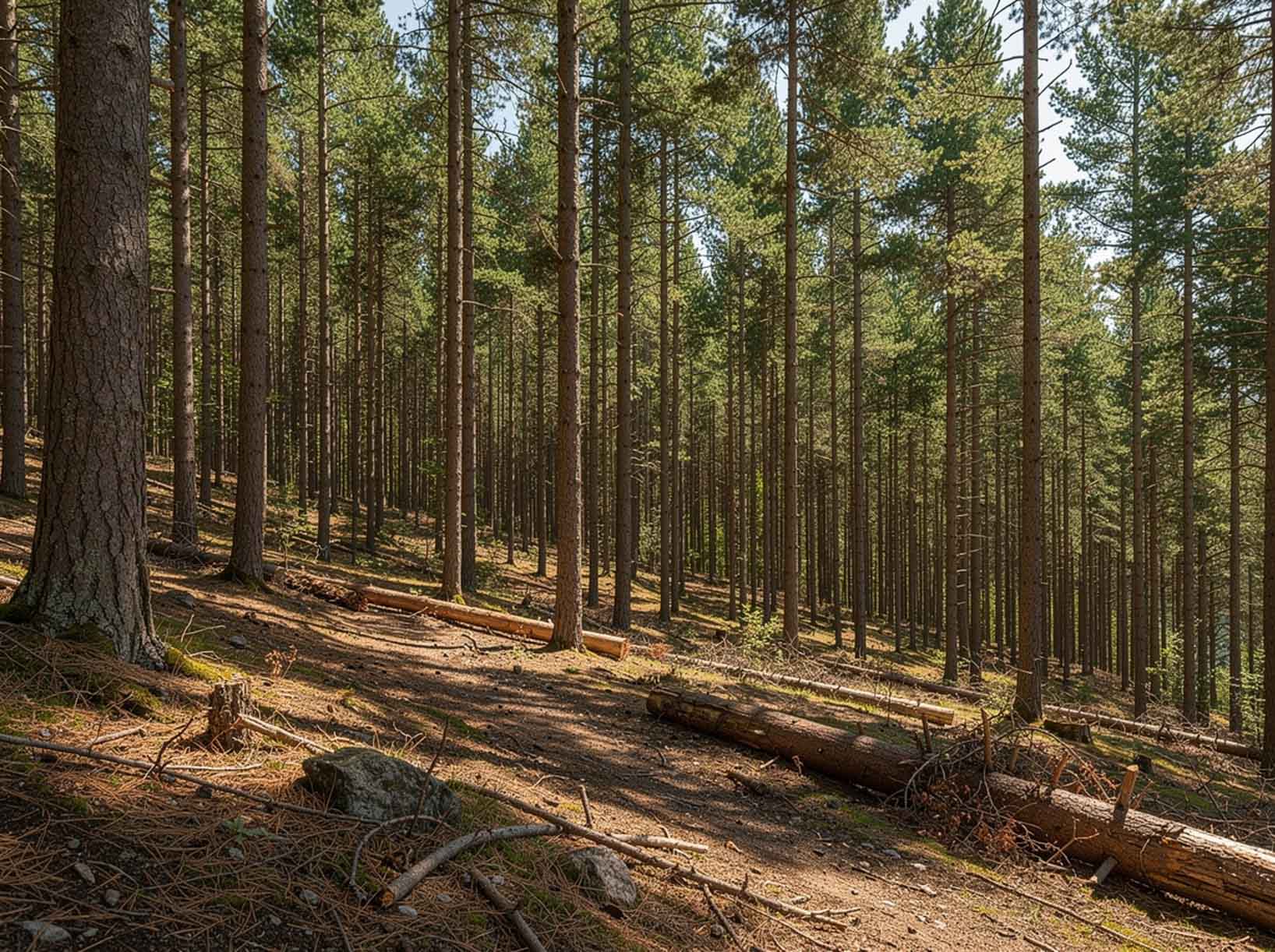
- Thinning dense tree stands
- Brush control and vegetation reduction
- Pruning lower branches to reduce ladder fuels
- Slash treatment and disposal
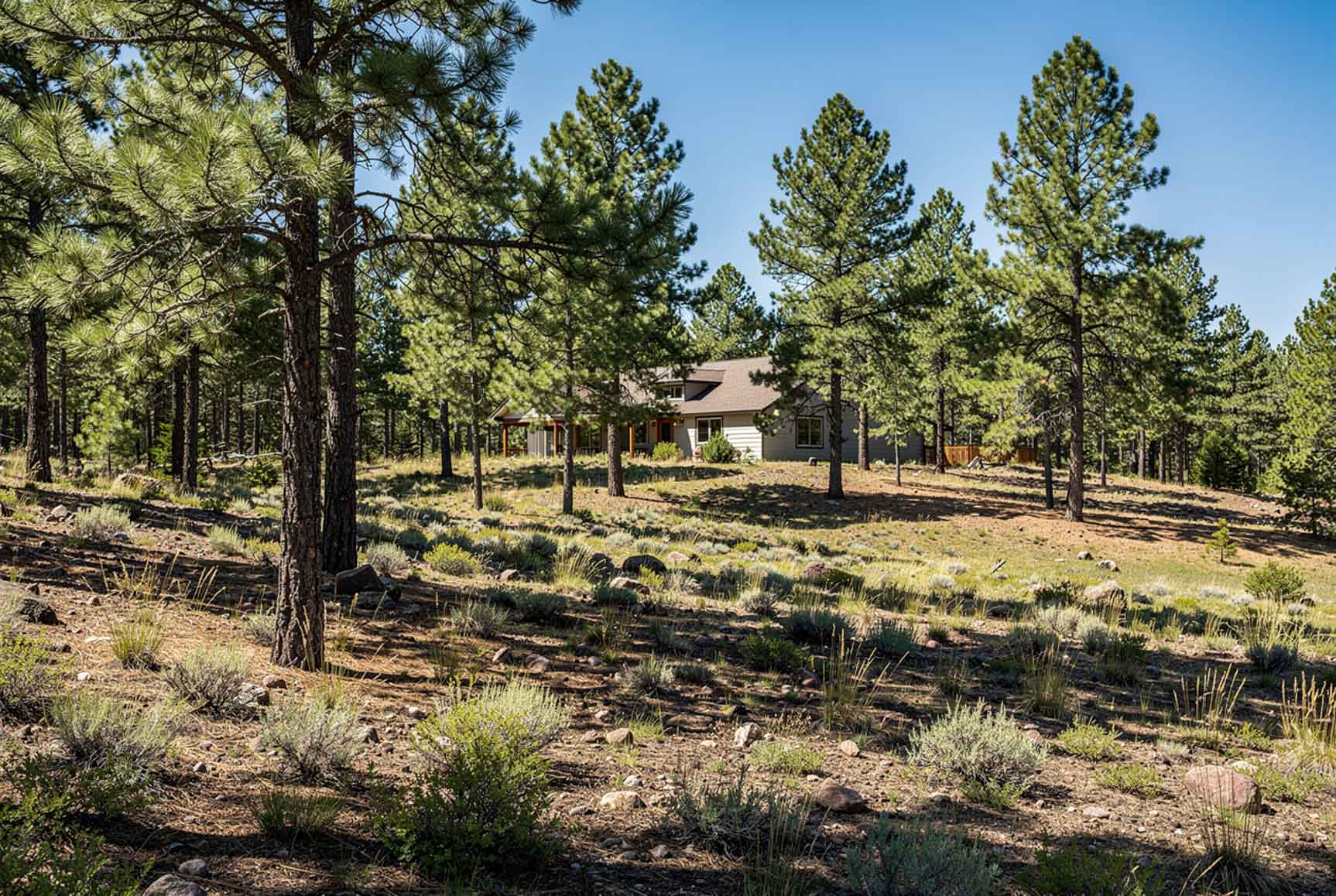
- Defensible space improvements around homes and structures
- Fuel reduction work in higher-risk areas
Work must typically be reviewed and approved before beginning in order to qualify for reimbursement.
How the Montana DNRC Process Typically Works
Specific program steps vary by funding source and cycle, but the general process often includes:
- Contacting a DNRC service forester or local forestry representative
- Property evaluation and treatment recommendations
- Submitting an application for assistance
- Receiving approval before starting work
- Completing treatments according to program specifications
- Final inspection and reimbursement, if applicable
Funding is competitive and subject to available budgets and state priorities.
Who May Be Eligible?
Cost-share assistance in Montana is generally available to private, non-federal landowners with forested property. Eligible participants may include:
- Individual property owners
- Families managing forest acreage
- Ranchers and agricultural landowners with timbered land
- Non-profit organizations managing forest tracts
Acreage requirements and eligibility criteria vary depending on treatment type and current program guidelines.
Why Forest Health and Wildfire Mitigation Matter in Montana
Montana forests face pressure from dense vegetation, insect stress, drought conditions and extended wildfire seasons. Overcrowded stands and accumulated fuels can increase wildfire intensity and risk to homes, ranches, access roads and surrounding communities.
Cost-share supported treatments may help:
- Reduce ladder fuels
- Improve forest spacing
- Strengthen defensible space around structures
- Promote healthier, more resilient forest conditions
For landowners, these improvements can support safety, access, forest productivity and long-term property management goals.
Working With Axsus Land Management on Approved DNRC Work
Axsus Land Management works with Montana landowners to implement approved vegetation management and fuel reduction treatments, including forestry mulching, thinning, brush clearing and defensible space improvements.
Our equipment and field approach can support rural properties, timbered acreage, access corridors and forested sites where treatment specifications must be followed carefully.
If you are exploring the Montana DNRC Cost-Share Program, contact Axsus Land Management to discuss your property and determine whether your planned work may align with current funding opportunities.
Frequently Asked Questions About the Montana DNRC Cost-Share Program
Do I need approval before starting work?
Yes, projects generally must be approved before work begins in order to qualify for reimbursement.
How much reimbursement is available?
Reimbursement levels vary depending on program guidelines, treatment type and available funding.
Can I hire a contractor for approved work?
Many programs allow landowners to hire qualified contractors once approval is granted.
Is there a minimum acreage requirement?
Acreage requirements depend on the specific program and type of treatment being funded.
Does participation guarantee funding?
Funding is competitive and subject to current program budgets and approval processes.
Related Cost-Share Programs and Services in Montana