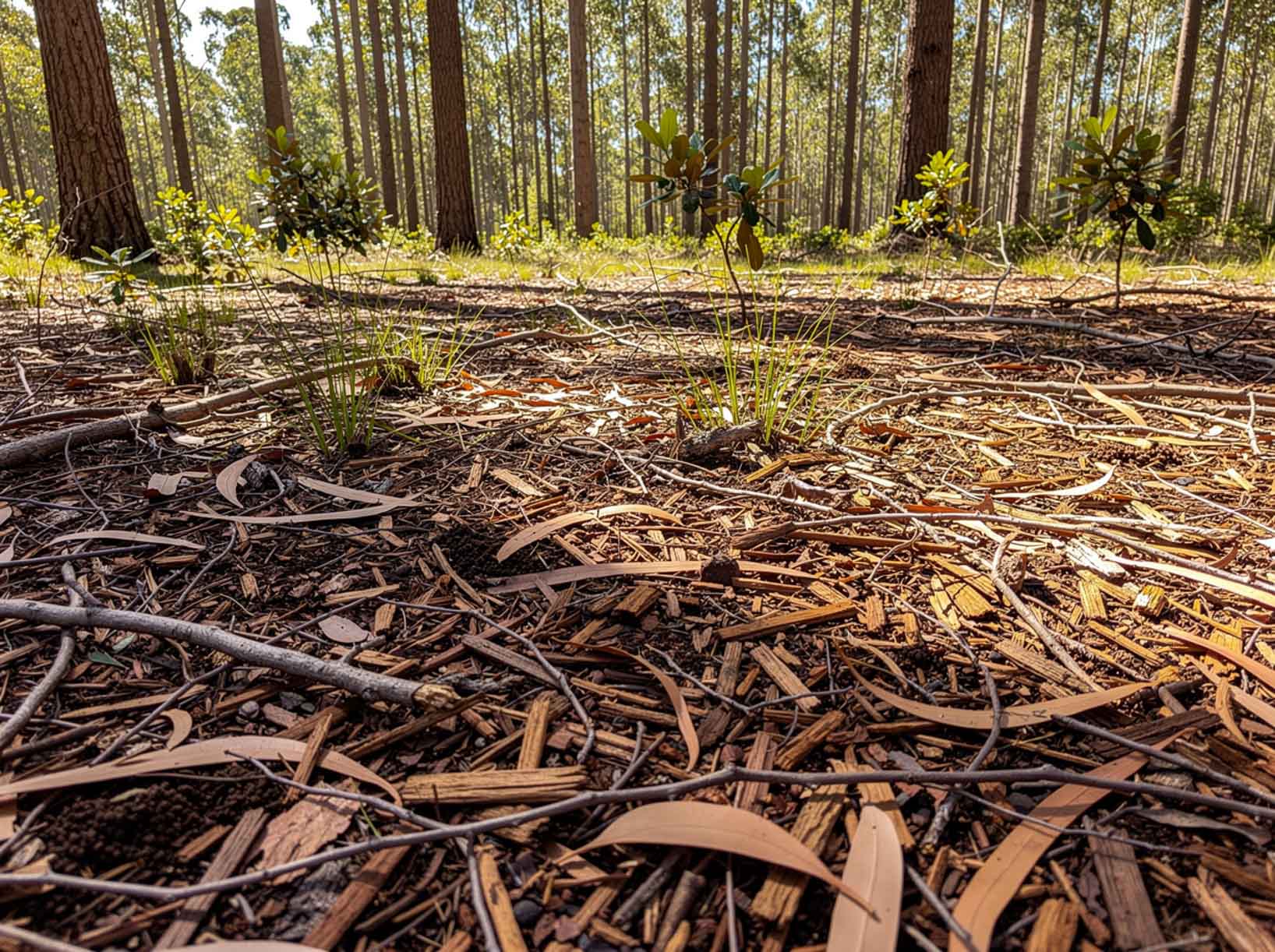
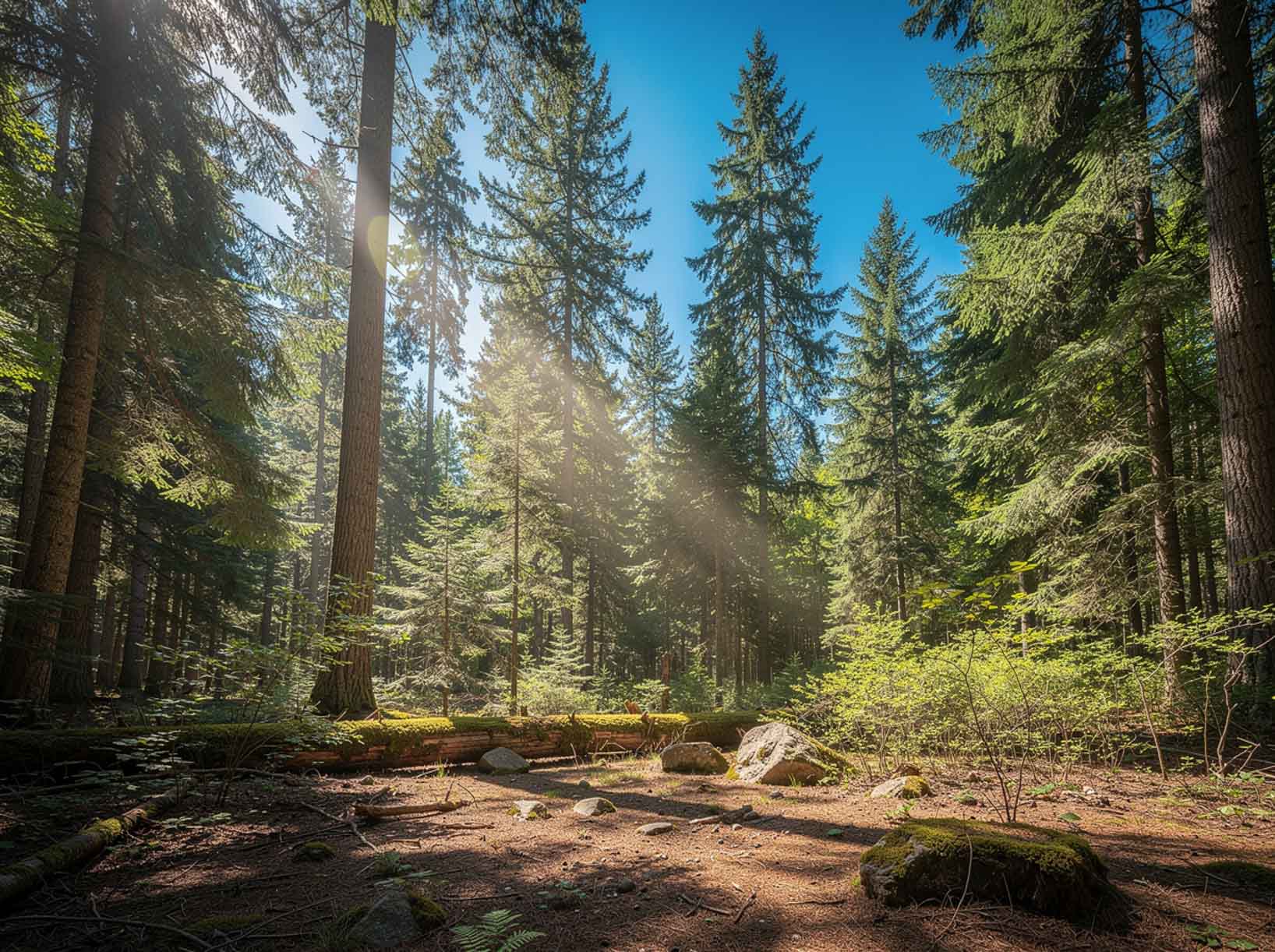
Forestry Mulching in Spokane, Washington
Professional Forestry Mulching for Spokane County Acreage
Axsus Land Management provides forestry mulching services in Spokane and throughout Spokane County. We work with acreage owners, rural residential properties and land improvement projects that require efficient vegetation management and dependable execution.
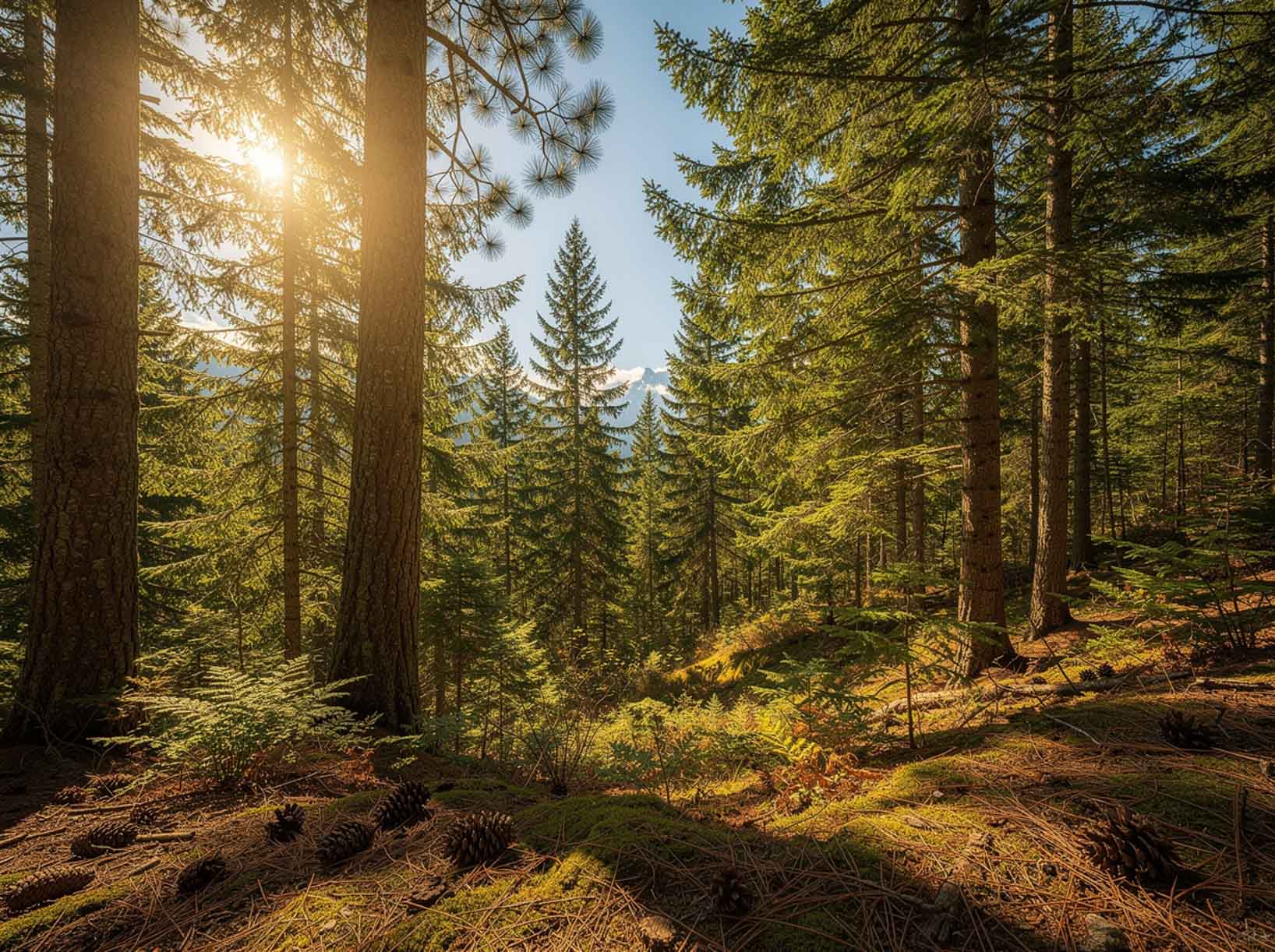
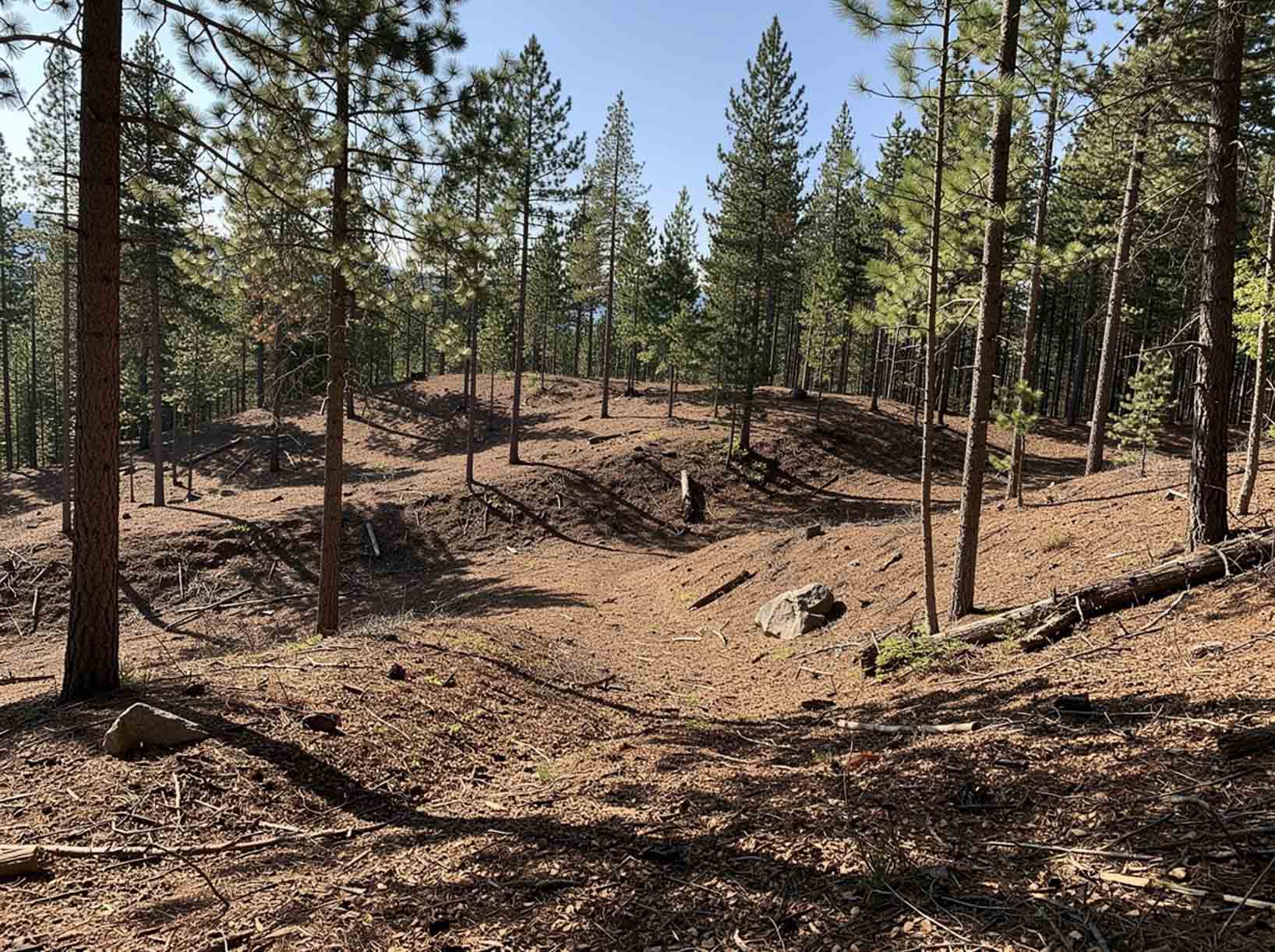
Spokane County includes a mix of wooded acreage, pine and fir stands, open parcels and seasonal undergrowth that can quickly become dense without maintenance. Forestry mulching offers a practical solution for managing overgrowth while minimizing soil disruption and preserving long term land usability.
Each project is evaluated based on terrain, vegetation density and access conditions to determine the most effective approach.
What Is Forestry Mulching?
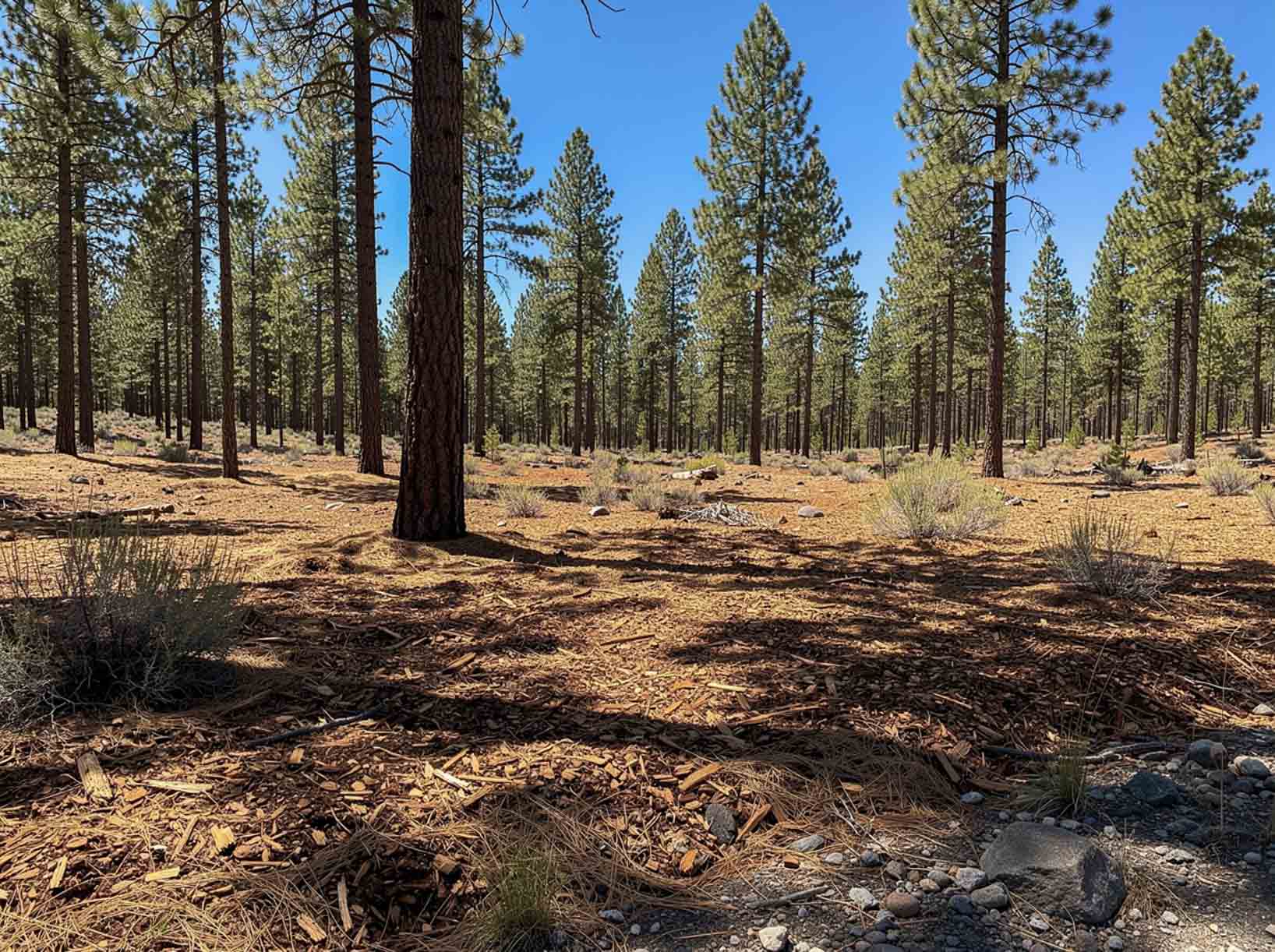
Forestry mulching uses specialized equipment to grind brush, undergrowth and small to mid-diameter trees into a protective mulch layer. Material is processed on site, reducing the need for hauling or burning while helping preserve soil structure.
Benefits include:
- Removal of ladder fuels
- Improved defensible space around structures
- Reduced erosion on sloped terrain
- Minimal soil disturbance
- Long-term vegetation suppression
This method is especially effective across Spokane County where mixed pine, grasses, open parcels and seasonal undergrowth can quickly increase fuel loads.
Fuel Reduction and Defensible Space in Eastern Washington
Wildfire mitigation remains a priority for many Spokane area property owners. Reducing dense brush and ladder fuels can improve defensible space and help manage vegetation growth near homes, outbuildings and access routes.
Forestry mulching supports wildfire mitigation by:
- Thinning dense brush near homes and structures
- Removing small-diameter trees that contribute to fire spread
- Creating defensible buffers around buildings and driveways
- Managing fuel loads across larger acreage parcels
Proactive treatment improves property safety while supporting long-term land usability.
Ideal Applications for Spokane Properties
Forestry mulching is well suited for:
- Residential acreage maintenance
- Property line clearing
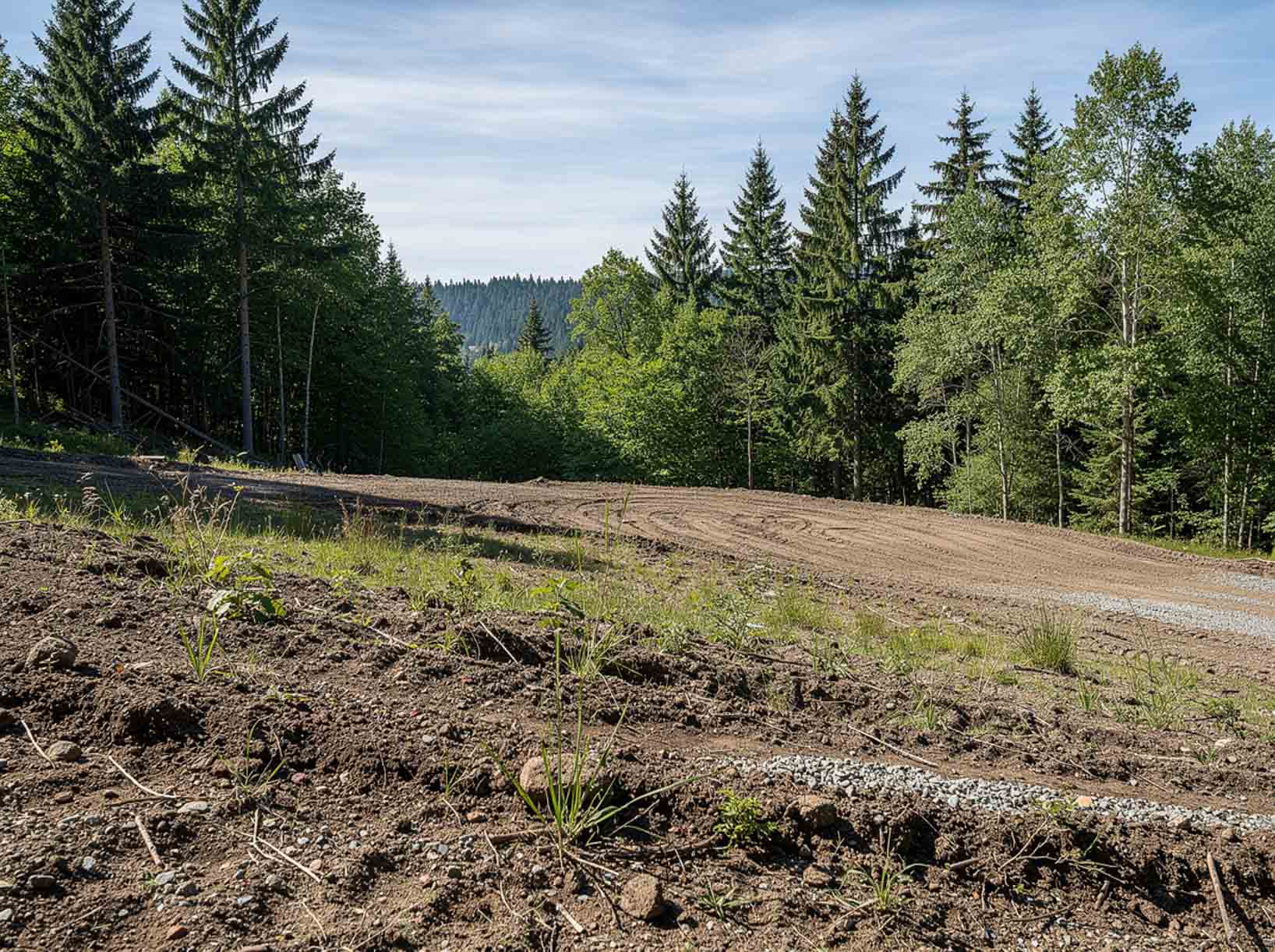
- Pre-construction site preparation
- Access road and driveway corridor clearing
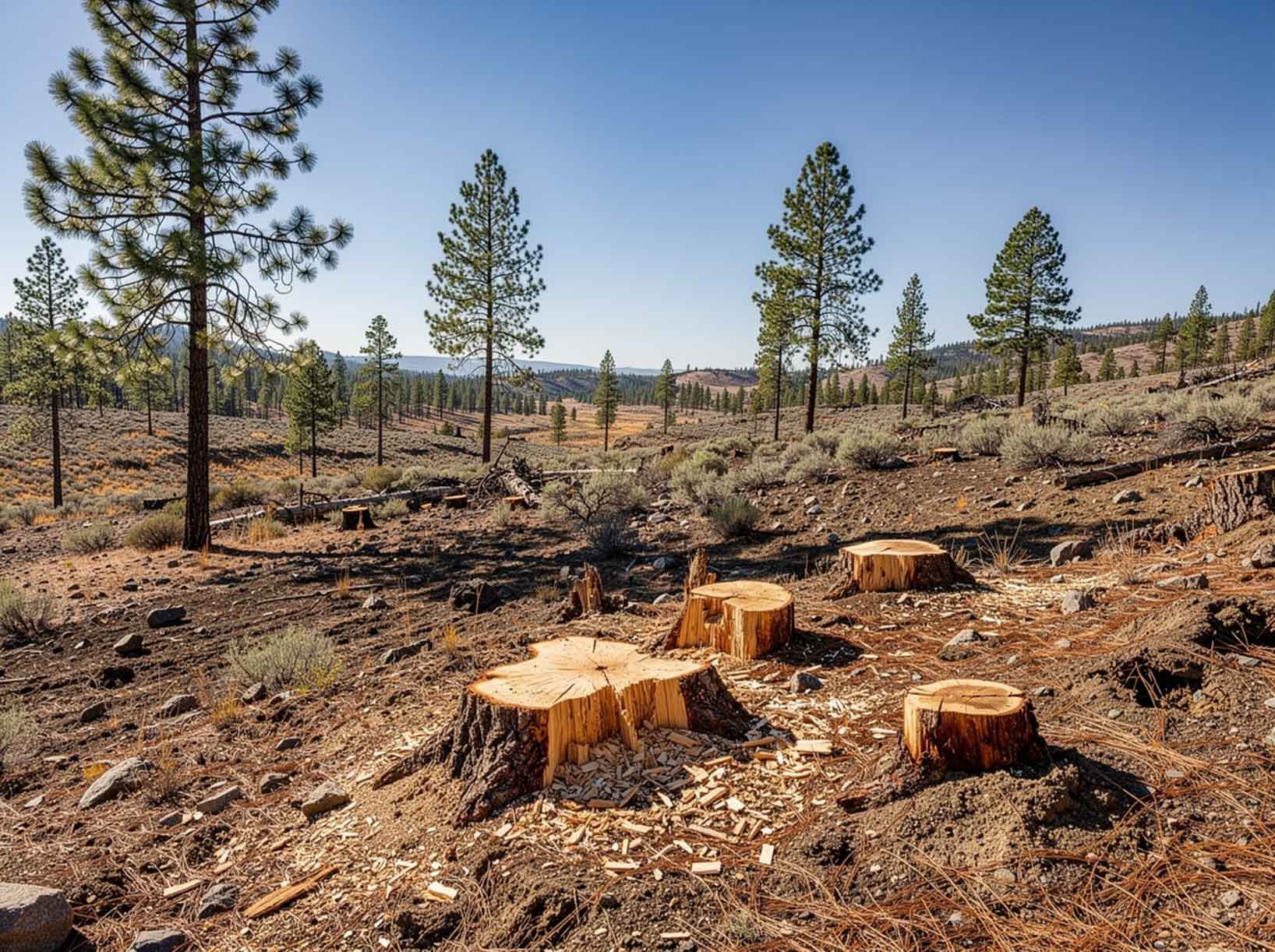
- Timber thinning projects
- Large parcel fuel reduction
Each project is evaluated based on slope, vegetation density, access points and long-term land use goals. Equipment is matched to site conditions and project scope.
Supporting Washington Forest Health Programs
Landowners in Spokane County may explore Washington state-supported forest health or fuel reduction programs when planning vegetation management projects. When applicable, project scopes can align with general program guidelines.
Program availability, eligibility and reimbursement are not guaranteed. Funding language should remain general and informational.
Serving Spokane and Surrounding Communities
We serve Spokane and nearby communities including Spokane Valley, Mead, Colbert, Deer Park, Cheney, Airway Heights and rural areas throughout Spokane County.
Each forestry mulching project is tailored to site conditions, vegetation density and long-term property objectives.
Frequently Asked Questions About Forestry Mulching in Spokane
How long does a forestry mulching project take in Spokane County?
Project timelines vary depending on acreage size, vegetation density and terrain.
Is forestry mulching effective for wildfire mitigation in Spokane?
Reducing dense brush and ladder fuels can support defensible space planning and long term vegetation management goals.
Does forestry mulching remove large timber?
Mulching is typically best suited for brush and small to medium diameter trees. Larger timber may require logging services.
Can forestry mulching prepare land for development in Spokane?
Yes, mulching is often used as a first step before land clearing, grading or excavation.
Is burning required after mulching?
In most cases, burning is not required because vegetation is processed into mulch and left on the ground.
Forestry Mulching in Nearby Areas and Related Services