
Forestry Mulching and Fuel Reduction Services Across Washington, Idaho, Montana and Oregon
Professional Forestry Mulching Built for Acreage and Rural Properties
Axsus Land Management provides professional forestry mulching services throughout the Pacific Northwest. We work with acreage owners, rural property owners and development projects that require efficient vegetation management, fuel reduction and improved land usability.
Forestry mulching is a practical, equipment-driven solution for managing dense vegetation without excessive soil disturbance. Using specialized machinery, brush, undergrowth and small to medium trees are processed into mulch directly on site. This creates a protective organic layer that supports soil stability while improving property access and long term land function.
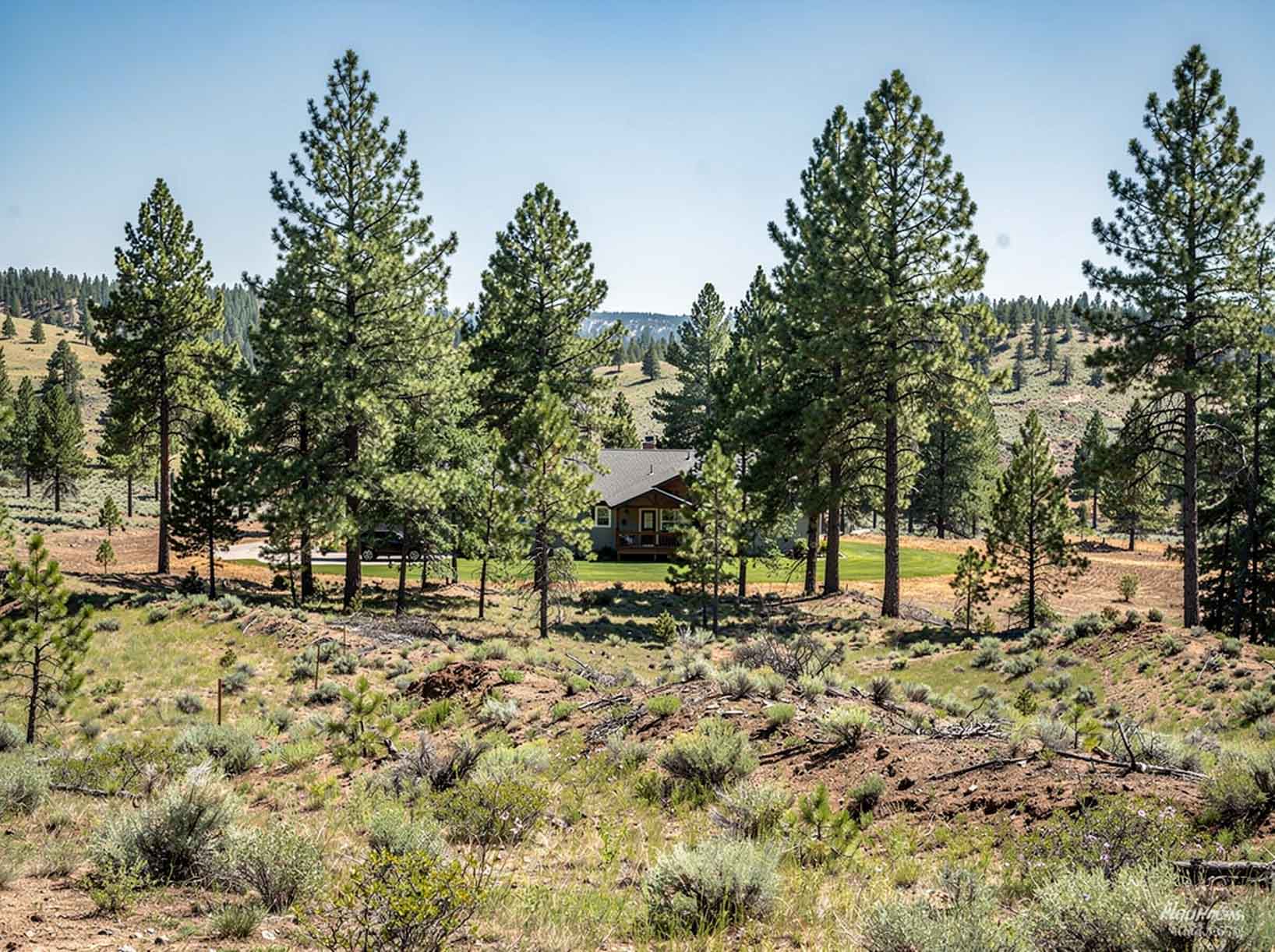
What Forestry Mulching Is Used For
Forestry mulching is an effective solution for:
- Fuel reduction and wildfire mitigation
- Defensible space creation around structures
- Property access improvement
- Fence line and boundary clearing
- Pasture and field reclamation
- Trail and driveway corridor clearing
- Preparation for future land clearing or development
This method eliminates the need for hauling debris or large burn piles in many cases, providing a more controlled and efficient vegetation management approach.
Fuel Reduction and Wildfire Mitigation
Wildfire risk management is a growing priority across Washington, Idaho, Montana and Oregon. Strategic vegetation management plays a key role in reducing fuel loads and slowing potential fire spread.
Forestry mulching can support defensible space planning by reducing ladder fuels and dense undergrowth. Each property is different, and project scope is based on terrain, vegetation type and long term goals.
In certain areas, landowners may explore seasonal state or federal land management programs depending on location and funding cycles. Availability varies by region and year.
Sustainable Vegetation Management and Soil Health
Beyond immediate clearing benefits, forestry mulching contributes to long term land health. The mulch layer created during the process:
- Helps retain soil moisture
- Reduces erosion on slopes
- Suppresses competing vegetation
- Returns organic matter to the soil
By minimizing large scale soil disruption and mimicking natural decomposition processes, mulching supports sustainable property management while improving usability.
Integrated With Land Clearing, Logging and Site Preparation
Forestry mulching is often the first step in a broader land improvement strategy. After vegetation is managed, properties may move into selective logging, full land clearing or excavation depending on project objectives.
Our team coordinates services efficiently, allowing landowners to transition from vegetation management to development readiness without unnecessary delays.
Frequently Asked Questions About Forestry Mulching
What is forestry mulching?
Forestry mulching is a vegetation management method that uses specialized equipment to cut and process brush, small trees and undergrowth into mulch in a single step. The resulting mulch layer remains on the ground, helping protect soil while improving property access and usability.
What types of properties benefit from forestry mulching?
Forestry mulching is commonly used on rural acreage, wooded properties, agricultural land, recreational land and development sites. It is especially effective for properties with dense vegetation or overgrowth that limits access or increases wildfire risk.
Is forestry mulching effective for wildfire mitigation?
Forestry mulching can help reduce fuel loads by removing dense underbrush and ladder fuels that contribute to fire spread. When implemented strategically, it supports defensible space planning and long term vegetation management goals.
Does forestry mulching damage soil?
When performed properly, forestry mulching minimizes soil disturbance compared to traditional clearing methods. Because vegetation is processed in place, root systems and soil structure are often less disrupted than with dozing or burning.
What size trees can be mulched?
Forestry mulching is typically best suited for brush and small to medium diameter trees. Larger timber projects may require selective logging or additional services depending on site conditions.
Is burning required after forestry mulching?
In most cases, burning is not required. The vegetation is processed into mulch and left on the ground, reducing the need for debris hauling or large burn piles.
Can forestry mulching prepare land for construction?
Forestry mulching is often the first step in preparing land for development. After vegetation is reduced, properties may move into land clearing, grading or excavation depending on the project scope.
Are there land management programs that support fuel reduction projects?
Some properties may align with seasonal state or federal land management programs depending on location and funding availability. Eligibility and funding cycles vary by region and year.
Forestry Mulching Service Areas
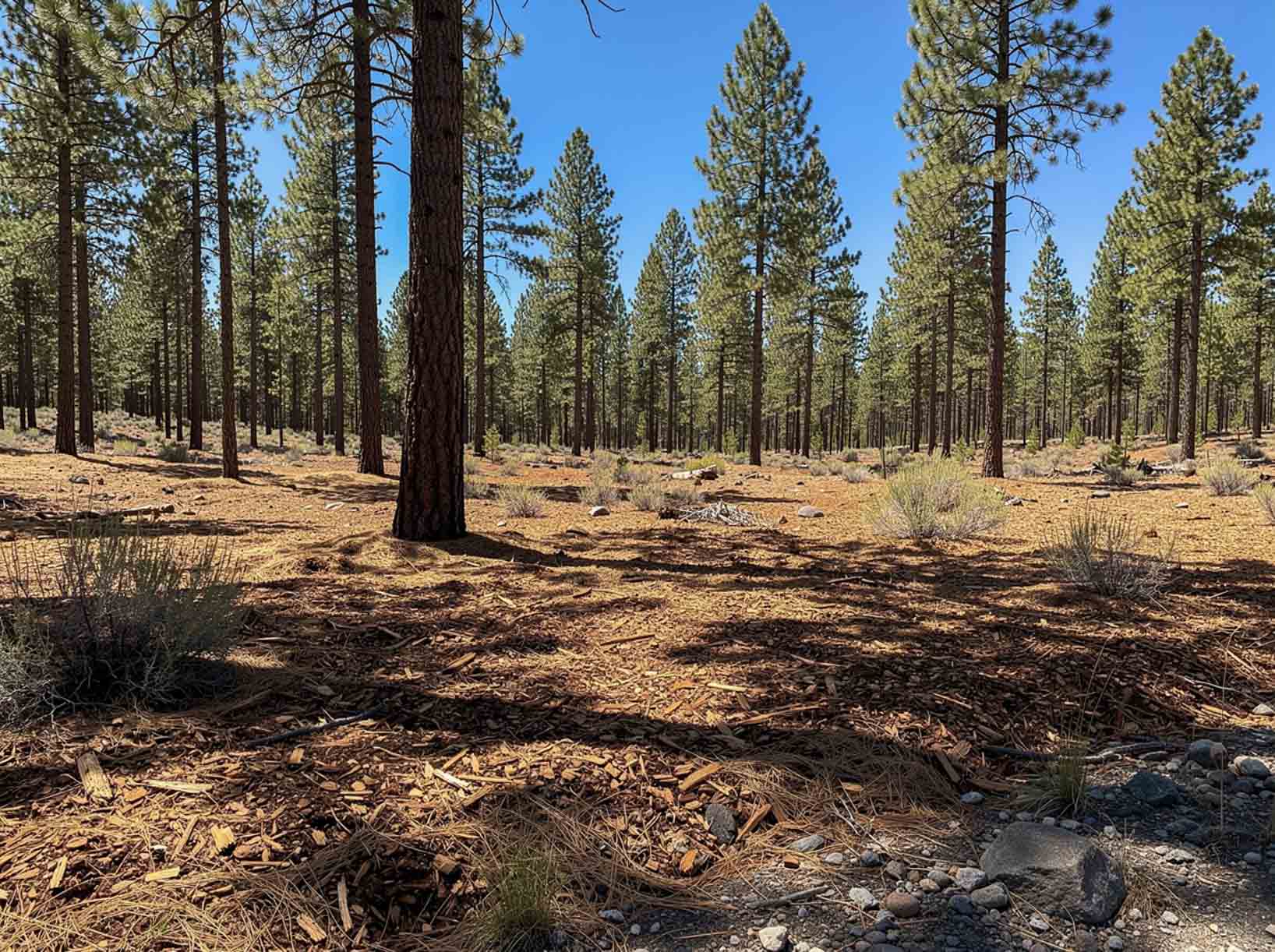
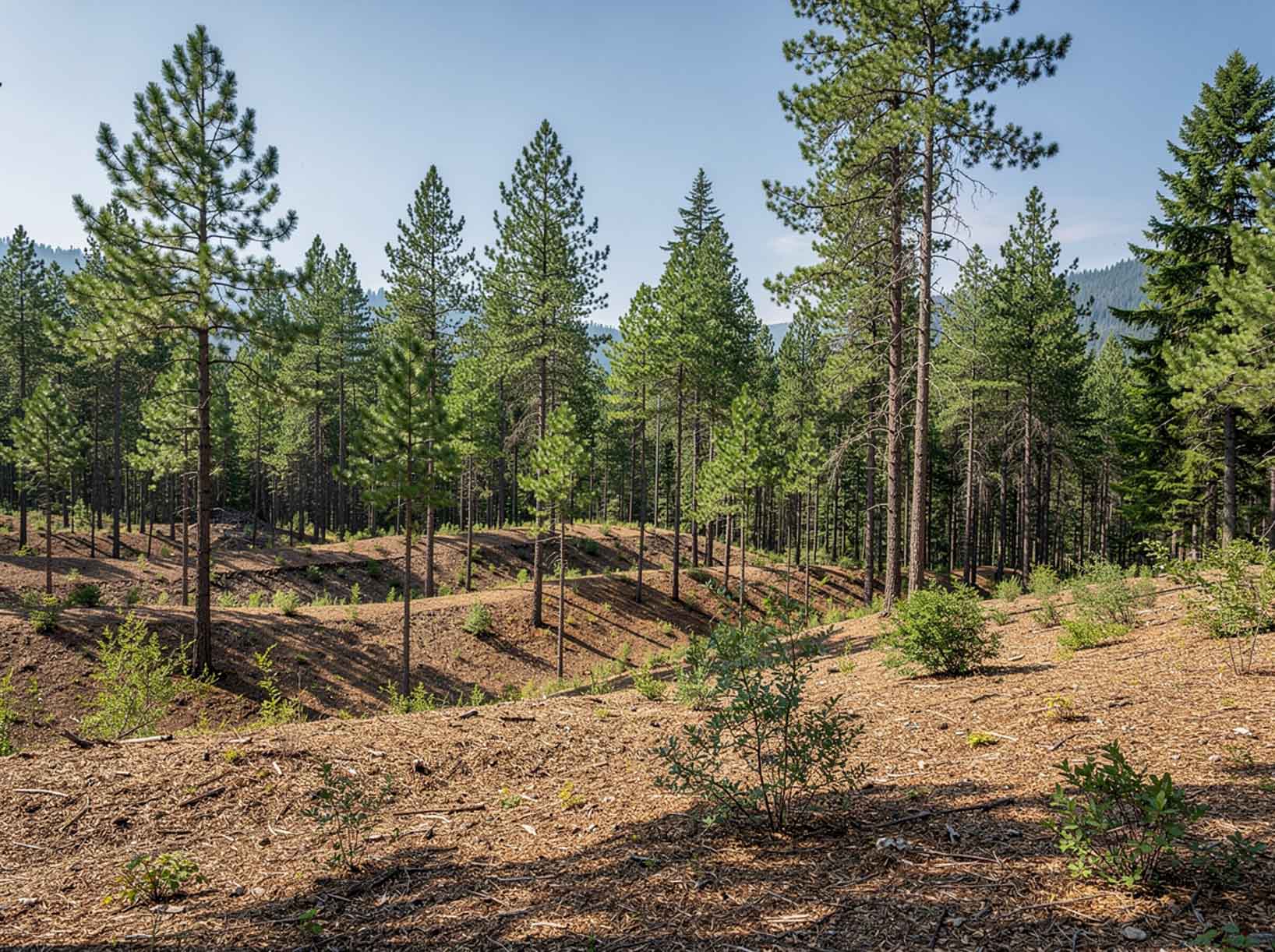
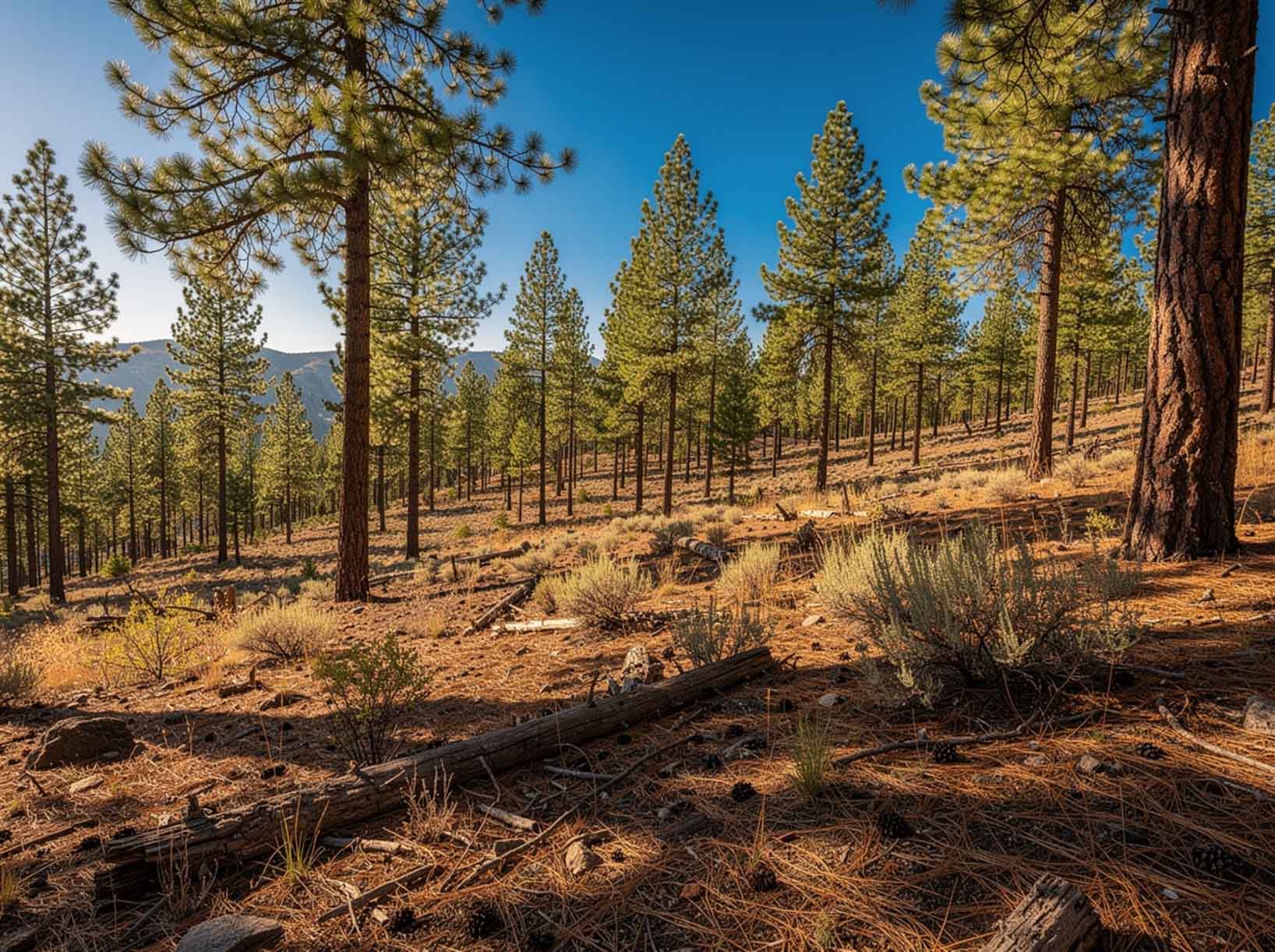
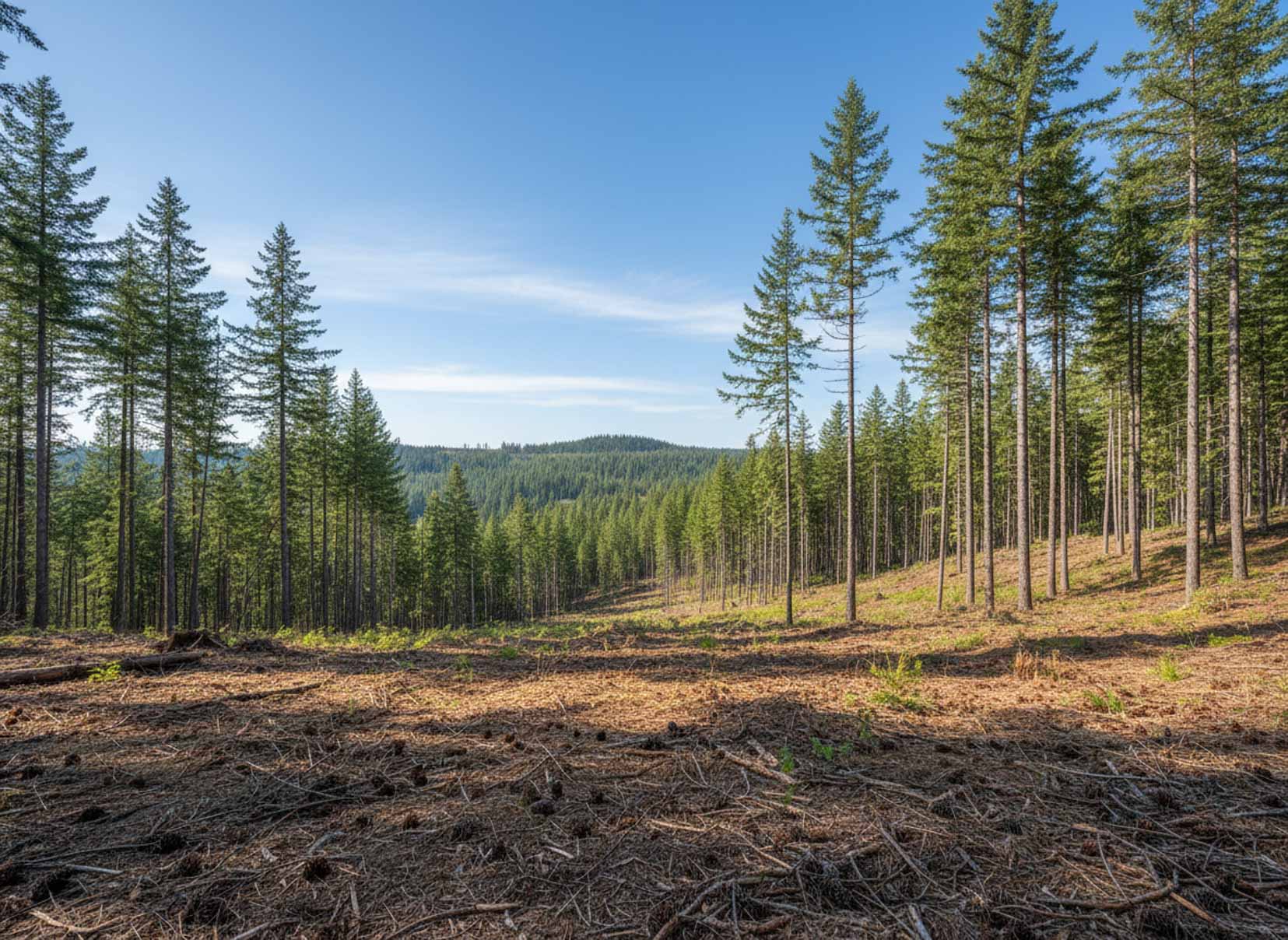
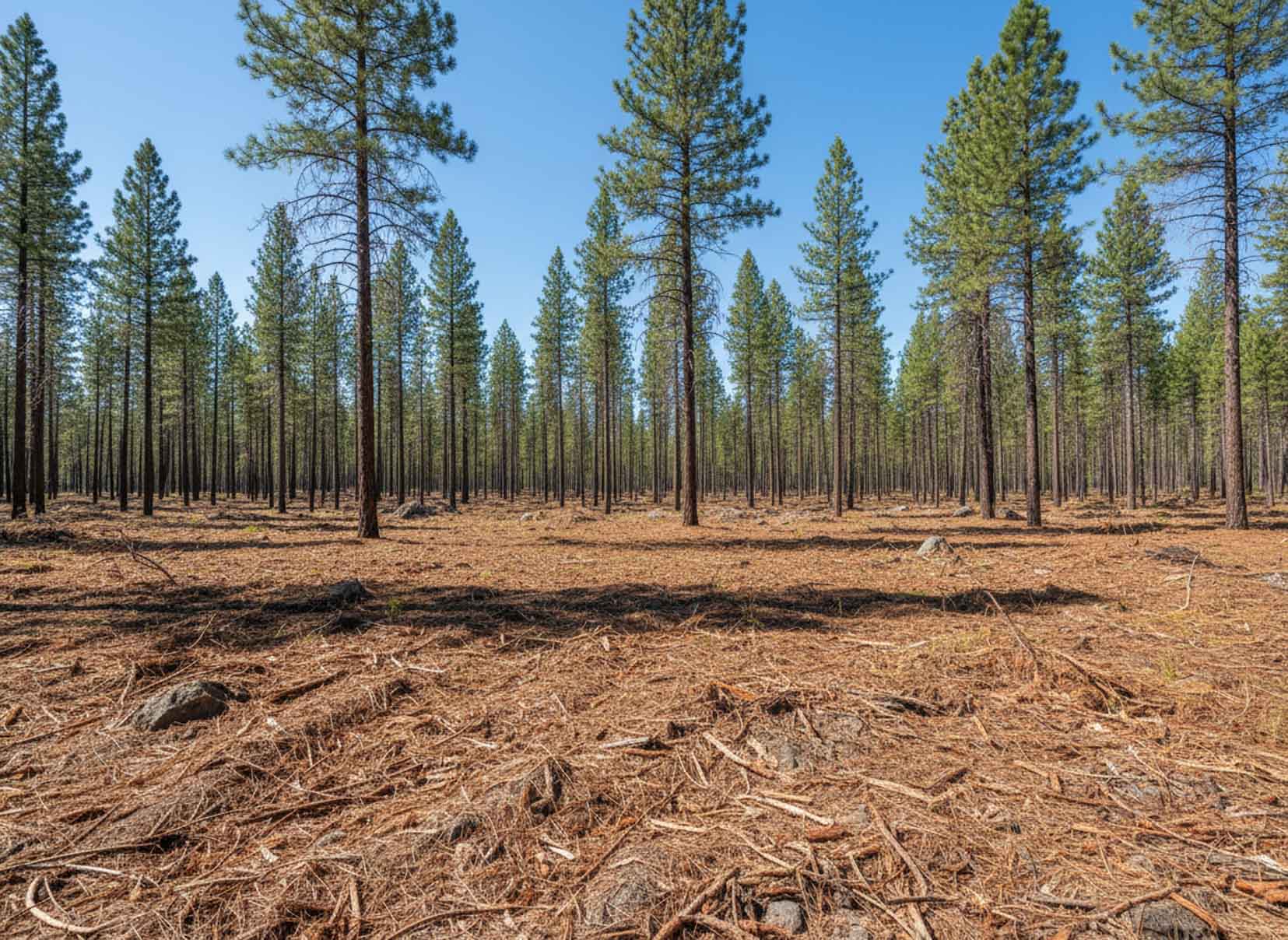
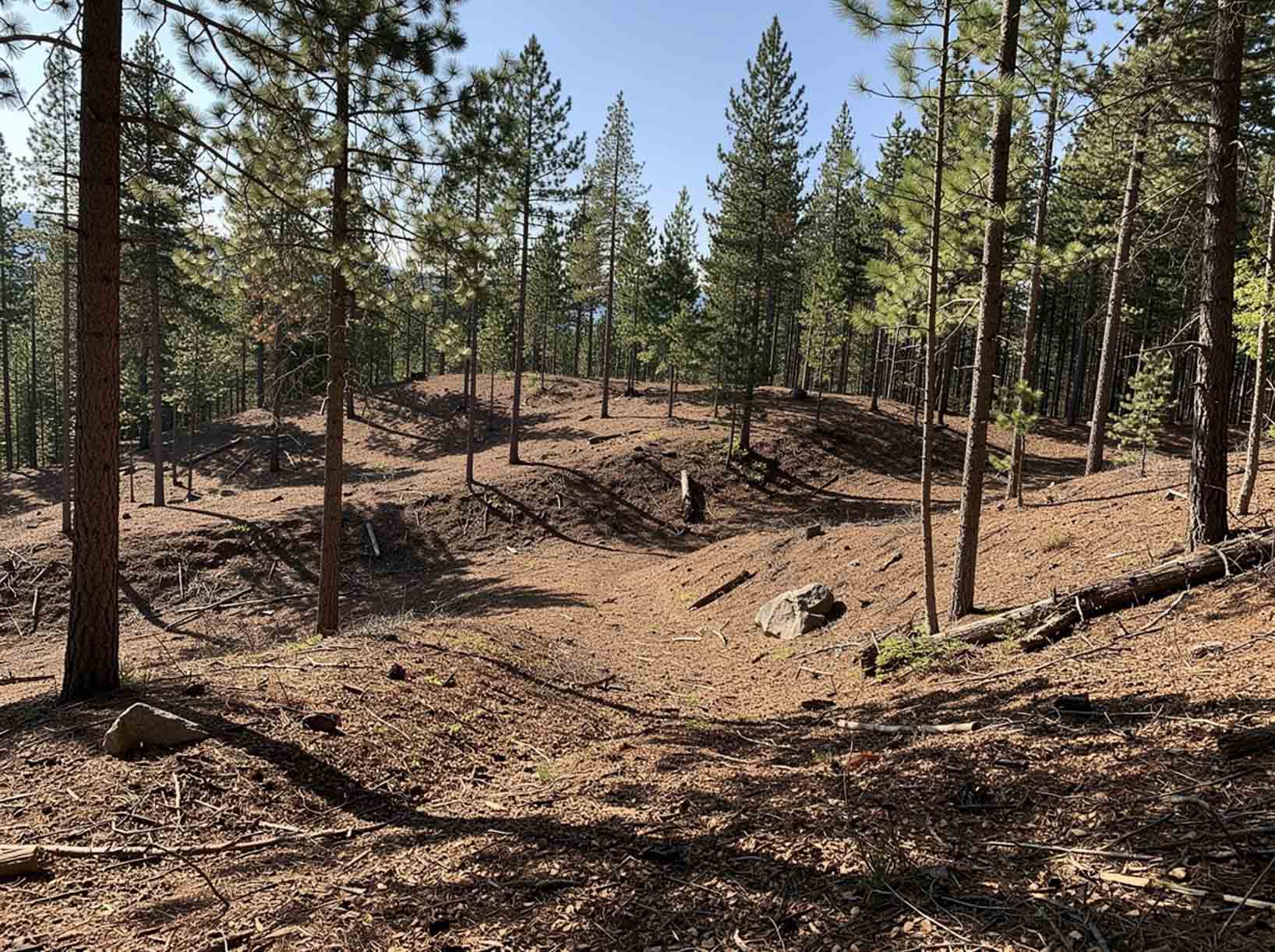
Forestry Mulching and Fuel Reduction Across the Pacific Northwest
We provide forestry mulching and fuel reduction services across Washington, Idaho, Montana and Oregon. Our experience includes mixed conifer forests, dense undergrowth, open pastureland and varied rural terrain throughout the region. Each project is evaluated based on vegetation type, slope and long term land management goals to ensure effective and responsible vegetation control.
Washington
Idaho
Montana
Oregon
Recent Projects
Every property presents unique challenges and opportunities. Explore examples of completed forestry mulching, land clearing, logging, and wildfire mitigation projects across the region.
Discuss Your Property Goals
If you are planning a forestry, fuel reduction, land clearing or excavation project, we welcome the opportunity to discuss your property and recommend the right approach.